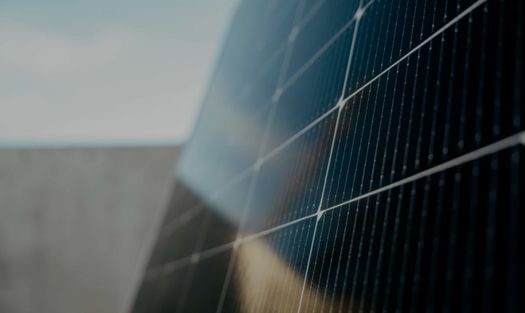
FuturaSun has officially expanded its photovoltaic product lineup with the introduction of the Silk Nova Pure module series, featuring the company’s proprietary True Rays® technology. The launch aims to address the growing demand for higher efficiency and improved aesthetics in residential and commercial solar installations, as the industry continues to focus on mitigating the impact of environmental conditions on long-term energy yields. According to the manufacturer’s technical disclosures, this new series is engineered to optimize light absorption while minimizing the performance degradation often associated with atmospheric stressors.
The integration of True Rays® technology signifies a technical shift toward addressing micro-cracks and potential-induced degradation (PID) that can hinder the operational longevity of solar arrays. By refining the cell interconnection process, the Silk Nova Pure modules are designed to maintain consistent output even when subjected to fluctuating weather patterns and thermal expansion. For property owners and solar installers, this development is positioned as a method to stabilize the return on investment by reducing the frequency of maintenance and the risk of premature energy loss, which can otherwise lead to significant long-term economic impacts.
Technical Advancements in the Silk Nova Pure Series
The core of the Silk Nova Pure range lies in its architectural design, which prioritizes both structural integrity and electrical output. Unlike standard modules, which may rely on traditional soldering techniques, the True Rays® approach incorporates advanced conductive materials to reduce internal resistance. Detailed specifications from the manufacturer indicate that these modules utilize high-density cell layouts, allowing for a smaller footprint without sacrificing total wattage. This efficiency is critical for installations where roof surface area is limited or where local building codes impose strict constraints on solar coverage.
Furthermore, the modules are tested against international standards to ensure durability under extreme environmental load, such as high wind speeds and heavy snow accumulation. Verification of these compliance metrics is essential for stakeholders, as the IEC 61215 and IEC 61730 certifications remain the global benchmarks for safety and performance in photovoltaic systems, as outlined by the International Electrotechnical Commission. By adhering to these rigorous testing protocols, FuturaSun intends to provide a reliable solution for diverse climate zones, ranging from high-humidity coastal regions to arid, high-temperature environments where thermal performance is paramount.
Economic Implications for Solar Energy Operators
The economic feasibility of solar energy is heavily dependent on the degradation rate of panels over a 25-year service life. Atmospheric pollution, salt spray, and extreme temperature fluctuations can accelerate the aging process of standard silicon-based cells. The Silk Nova Pure series addresses these variables through a specialized encapsulation process that acts as a barrier against moisture ingress and chemical oxidation. According to industry analysis provided by the International Energy Agency, reducing the degradation rate of a solar array by even a small percentage can lead to substantial lifecycle savings, directly impacting the levelized cost of energy (LCOE).


For investors and commercial operators, the focus on “pure” technology—referring to both the aesthetic uniformity of the cells and the purity of the materials used in the manufacturing process—is designed to simplify the installation process while enhancing the visual profile of the building. As municipal governments continue to update building energy codes, the demand for high-efficiency, low-maintenance hardware has transitioned from a preference to a requirement for new construction projects. The introduction of this series allows developers to align with these evolving regulatory standards while ensuring that projected energy yields remain consistent with financial modeling.
Installation and Long-term Maintenance Considerations
Transitioning to the Silk Nova Pure modules involves standard mounting procedures, but the increased weight-to-power ratio requires careful structural assessment of existing roof supports. Installers are advised to consult the official installation manual provided by FuturaSun to ensure that the array configuration accounts for local wind load requirements and specific site conditions. Regular monitoring of the system, facilitated by modern inverter software, remains the most effective way to detect early signs of performance anomalies, regardless of the hardware quality.

The next major checkpoint for the industry involves the upcoming revisions to European Union ecodesign requirements for photovoltaic products, which are expected to place greater emphasis on the circular economy and modular repairability. Stakeholders interested in the latest updates regarding these regulations can monitor the European Commission’s Energy portal for future policy announcements and technical guidelines. Readers are encouraged to share their experiences with new solar technologies or ask questions regarding the integration of high-efficiency modules into existing grid-tied systems in the comments section below.
- Rand Water Maintenance May Cause Water Disruptions in Joburg and Ekurhuleni
- Huntington Beach Poker Player Hogtied and Robbed at Las Vegas Airbnb
- The rate at which Earth is absorbing energy is alarming climate scientists – The Economist (newsdirectory3.com)
- How Nick Marsh and Rotary Drive Global Impact and Community Support (news-usa.today)