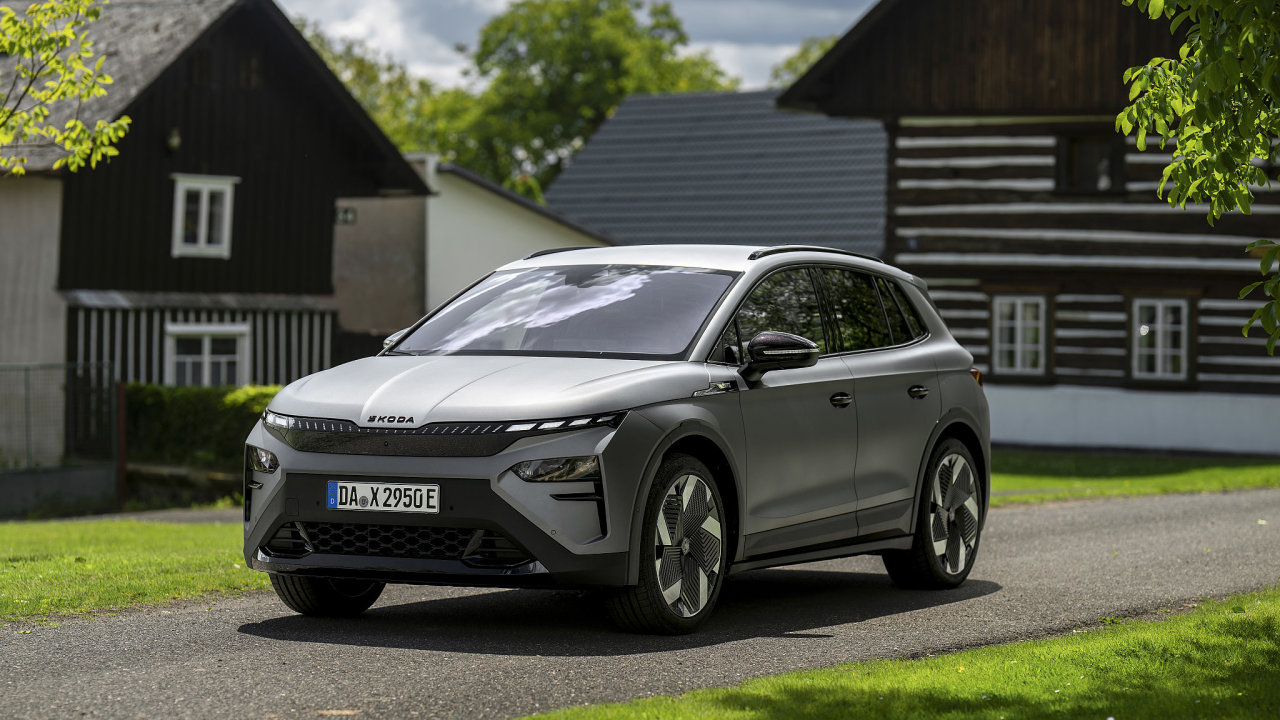
Germany’s ambitious push to accelerate the transition to electric mobility has encountered an unexpected hurdle: the country’s generous subsidy programs for electric vehicles (EVs) are disproportionately benefiting foreign manufacturers rather than domestic automotive giants. Recent data indicates that consumers are leveraging state-funded incentives to purchase models from Tesla and the Volkswagen Group’s Czech subsidiary, Škoda, effectively bypassing traditional German premium brands in the government’s efforts to reach climate targets.
The German government’s environmental bonus, or Umweltbonus, was designed to lower the barrier to entry for battery-electric vehicles (BEVs) and plug-in hybrids. However, the market dynamics have shifted as manufacturers adjust pricing strategies and production volumes. According to reports from the Federal Office for Economic Affairs and Export Control (BAFA), which manages the application process for these subsidies, the volume of approved claims highlights a clear preference for models that offer high efficiency and competitive pricing, qualities currently dominated by Tesla’s Model Y and various platforms within the Škoda Enyaq lineup.
Market Shifts and the Role of Import Brands
For years, the German automotive industry—anchored by Volkswagen, BMW, and Mercedes-Benz—has served as the backbone of the nation’s economy. The transition to electric power was intended to solidify this dominance. Instead, the subsidy landscape has revealed a gap between domestic offerings and consumer demand. Tesla’s ability to scale production at its Giga Berlin facility has allowed it to maintain short delivery times and aggressive pricing, directly capturing a significant share of the subsidy-eligible market.
Škoda, operating under the umbrella of the Volkswagen Group, has similarly found success in the German market. By utilizing the modular electric drive matrix (MEB) platform, Škoda has positioned the Enyaq as a practical, family-oriented alternative that often undercuts the pricing of comparable models from Volkswagen’s core brand. As noted by industry analysts, this internal competition within the group, combined with the external pressure from Tesla, has led to a situation where the intended stimulus for “German-made” innovation is instead fueling the growth of imports and subsidiaries with high manufacturing efficiency.
Policy Impacts and Financial Considerations
The financial structure of the subsidy program has undergone several revisions, reflecting the government’s attempt to balance fiscal responsibility with environmental goals. As of late 2023, the German government moved to end the subsidy for private buyers earlier than originally planned, citing budgetary constraints following a landmark ruling by the Federal Constitutional Court regarding the country’s Climate and Transformation Fund. This decision, as detailed in updates from the Federal Ministry for Economic Affairs and Climate Action (BMWK), brought an abrupt halt to new applications, creating a period of uncertainty for both manufacturers and consumers.
The impact of these subsidies on the automotive sector remains a subject of intense debate among policymakers in Berlin. While the programs were successful in increasing the total number of registered electric vehicles, they did not necessarily prevent the loss of market share for German brands. The reliance on foreign-produced components and the strategic pricing of imported vehicles meant that a portion of the state’s financial support effectively flowed out of the domestic manufacturing ecosystem.
What Happens Next for German Automakers
With the federal subsidies now largely concluded, the German automotive sector is entering a new phase of competition defined by market forces rather than state support. Manufacturers are now pivoting to focus on cost-reduction strategies and the development of more affordable entry-level models to maintain their foothold in the EV segment. The challenge for domestic brands is to replicate the production efficiencies that allowed competitors like Tesla to thrive during the subsidy era.

The industry is now looking toward the next round of European Union regulatory updates regarding CO2 fleet targets and potential new incentive structures that may be implemented at the regional level. For consumers, the focus has shifted toward manufacturer-led discounts and the secondary market for used electric vehicles. As the market matures, the ability of German firms to innovate in software integration and battery technology—areas where they have historically trailed behind tech-centric rivals—will determine their long-term viability in the global electric vehicle race.
We encourage readers to share their thoughts on the transition to electric mobility in Germany and how these policy shifts have affected their own purchasing decisions. Stay tuned for further updates as we monitor the next set of regulatory filings from the federal government regarding clean energy transport incentives.