
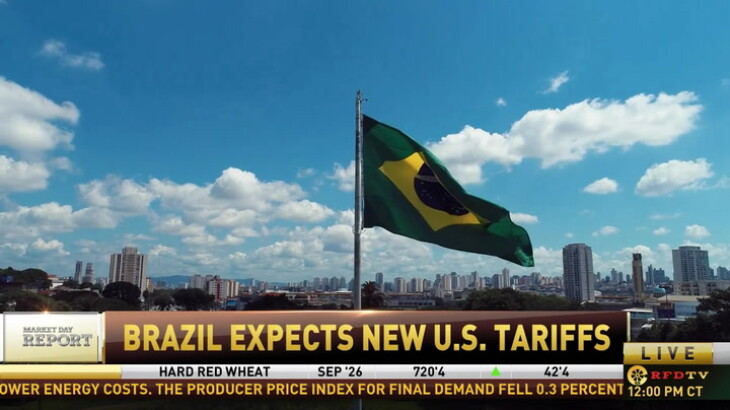
Trump Administration Weighs 25 Percent Tariffs on Brazilian Imports
The potential duties follow the conclusion of a Section 301 investigation by the Office of the United States Trade Representative (USTR) into trade practices it characterizes as harmful to American interests. If implemented, the tariffs would represent a significant escalation in trade tensions between the two nations. The USTR investigation, which concluded on June 1, cited several areas of concern, including restrictions on U.S. digital platforms and payment services, inadequate intellectual property protection, illegal deforestation, anti-corruption enforcement, preferential tariff treatment, and barriers to U.S. ethanol exports.

Scope of Proposed Tariffs and Exemptions
The proposed 25 percent tariff would apply to a broad range of products, including manufactured goods, chemicals, wood products, industrial products, sugar, pig iron, ethanol, and tobacco. However, USTR officials have indicated that certain key Brazilian exports will be exempt from these duties. Products expected to remain unaffected include beef, coffee, aircraft parts, rare earth minerals, and various other agricultural and energy products. This move comes as the United States expands its use of Section 301 of the Trade Act of 1974, which allows for unilateral trade remedies to address perceived unfair or discriminatory foreign trade practices.
Business and Industry Opposition
The proposal has faced significant pushback from the U.S. business community. During a recent public hearing before the USTR, a majority of non-Brazilian executives expressed opposition to the tariff increases. An analysis of 44 executives who testified found that 31—or 70 percent—spoke out against the measure. Industry leaders highlighted several primary concerns:
- Increased Costs: Executives argued that tariffs would raise costs for American manufacturers and consumers, particularly as households manage inflation and fuel price pressures.
- Lack of Alternatives: Many businesses testified that they import specific goods from Brazil because there is no viable domestic alternative, such as organic sugar or certain steel products.
- Global Competitiveness: Some participants warned that tariffs could weaken American competitiveness by discouraging investment in U.S.-based research and development.
- Trade Diversion: Concerns were raised that the tariffs would incentivize Brazil to shift permanent trade flows toward other nations, such as China.
Matt Frostic, first vice president of the National Corn Growers Association, offered a contrasting view, urging officials to proceed with tariffs on ethanol, citing years of what he described as discriminatory trade practices against U.S. corn growers.
Political Context and Bilateral Relations
The trade dispute is unfolding against the backdrop of Brazil’s upcoming general elections in October 2026. The political environment has complicated the negotiations, with President Luiz Inácio Lula da Silva accusing Brazilian senator Flávio Bolsonaro—the son of former President Jair Bolsonaro—of lobbying Washington to impose the tariffs to gain a political advantage. Flávio Bolsonaro has denied these allegations, arguing that the current Brazilian government would benefit politically if the tariffs were imposed. He has requested that the U.S. delay any final decision for 180 days. Secretary of State Marco Rubio noted in a response to Bolsonaro that the U.S. maintains “substantial differences” with Brazil regarding the issues justifying the trade actions. The administration’s trade policy toward Brazil has been tumultuous in recent years. In 2025, the U.S. imposed tariffs under the International Emergency Economic Powers Act (IEEPA), which were later invalidated by a Supreme Court ruling in February 2026. Following that ruling, the administration shifted its focus to Section 301.
Find more reporting in our World section.
Worth a look