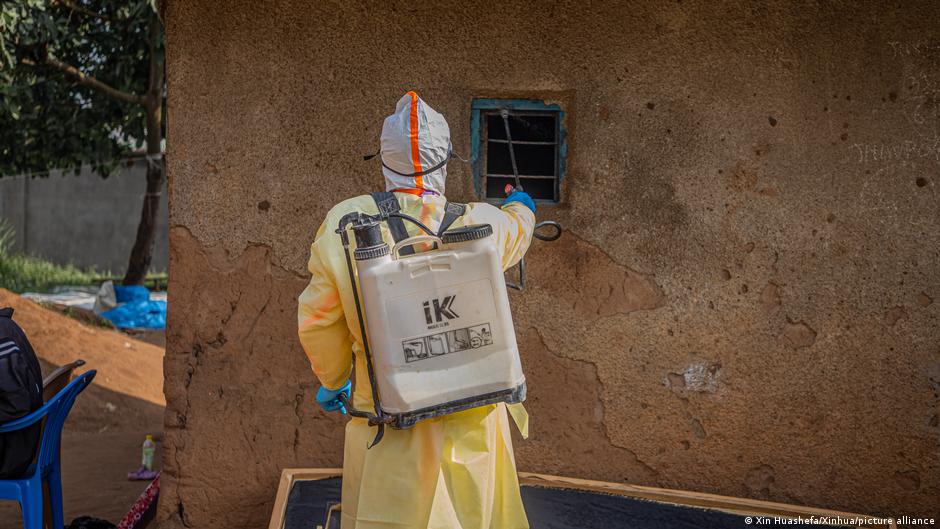
Public health officials are closely monitoring the spread of Ebola virus disease as international health organizations report a concerning acceleration in transmission rates. The World Health Organization (WHO) has highlighted an unexpectedly rapid advancement of the virus, particularly within the Democratic Republic of the Congo (DRC), where confirmed cases have surpassed the 2,000 threshold. This surge has prompted humanitarian groups and medical agencies to intensify containment efforts as the disease continues to pose a significant risk to regional and global health security.
As a physician, I have followed these developments with great concern. The rapid movement of such a highly infectious pathogen requires not only immediate clinical intervention but also robust, coordinated international support to stabilize affected regions and prevent further cross-border transmission. Understanding the current epidemiological landscape is essential for healthcare providers and the public alike as we track the evolution of this outbreak.
Current Epidemiological Data and Transmission Trends
The outbreak in the Democratic Republic of the Congo represents one of the most challenging health crises in recent years. According to official data tracked by the World Health Organization, the cumulative case count in the DRC has exceeded 2,000 individuals, marking a significant milestone in the ongoing battle against the virus. The rapid pace of transmission, noted by international observers, complicates contact tracing and the administration of life-saving medical care in densely populated areas.
Medical personnel on the ground, including those from organizations like Médecins Sans Frontières (MSF), have reported that the virus is moving at an unprecedented speed.
International Response and Clinical Trials
In response to the escalating situation, the international community has shifted its focus toward advanced therapeutic interventions. The World Health Organization has recently announced the first trial for an antiviral treatment specifically targeted at combating the Ebola virus. This development is a critical step in providing clinicians with more effective tools to treat infected patients, beyond the supportive care that has been the standard of practice for decades.
Medical innovation is being tested in real-time, with researchers and physicians working to evaluate the efficacy of these new antivirals under extreme field conditions. The World Health Organization’s official updates serve as the primary source for the latest developments regarding these trials. These interventions are designed to bridge the gap between supportive care—such as fluid resuscitation and electrolyte management—and targeted viral suppression.
Monitoring and Patient Management
The global nature of travel means that Ebola outbreaks are never strictly localized events. Instances of individual exposure, such as the confirmed infection of an American citizen who was subsequently transported to Germany for specialized treatment, highlight the necessity of international cooperation in medical logistics. The transfer of patients between countries involves high-level biocontainment protocols to ensure the safety of both the patient and the public during transport.
Healthcare systems in Europe, including facilities in Germany, are equipped with specialized isolation units capable of managing high-consequence infectious diseases. These units utilize negative-pressure rooms and rigorous personal protective equipment (PPE) standards to prevent environmental contamination.
Looking Ahead: Surveillance and Containment
The next critical checkpoint in this response involves the continued monitoring of the antiviral clinical trials and the ongoing vaccination campaigns in the DRC. Public health authorities are scheduled to release updated case reports and trial analysis regularly, which will dictate the next phase of the international response. For those following this situation, the WHO Disease Outbreak News portal remains the most authoritative source for verified daily statistics and policy shifts.
Effective containment requires sustained funding and the continued commitment of frontline medical workers. As we monitor the situation, I encourage readers to rely on established health authorities for updates rather than unverified reports. Please feel free to share your questions or thoughts on these developments in the comments section below, as we continue to track this evolving health crisis together.