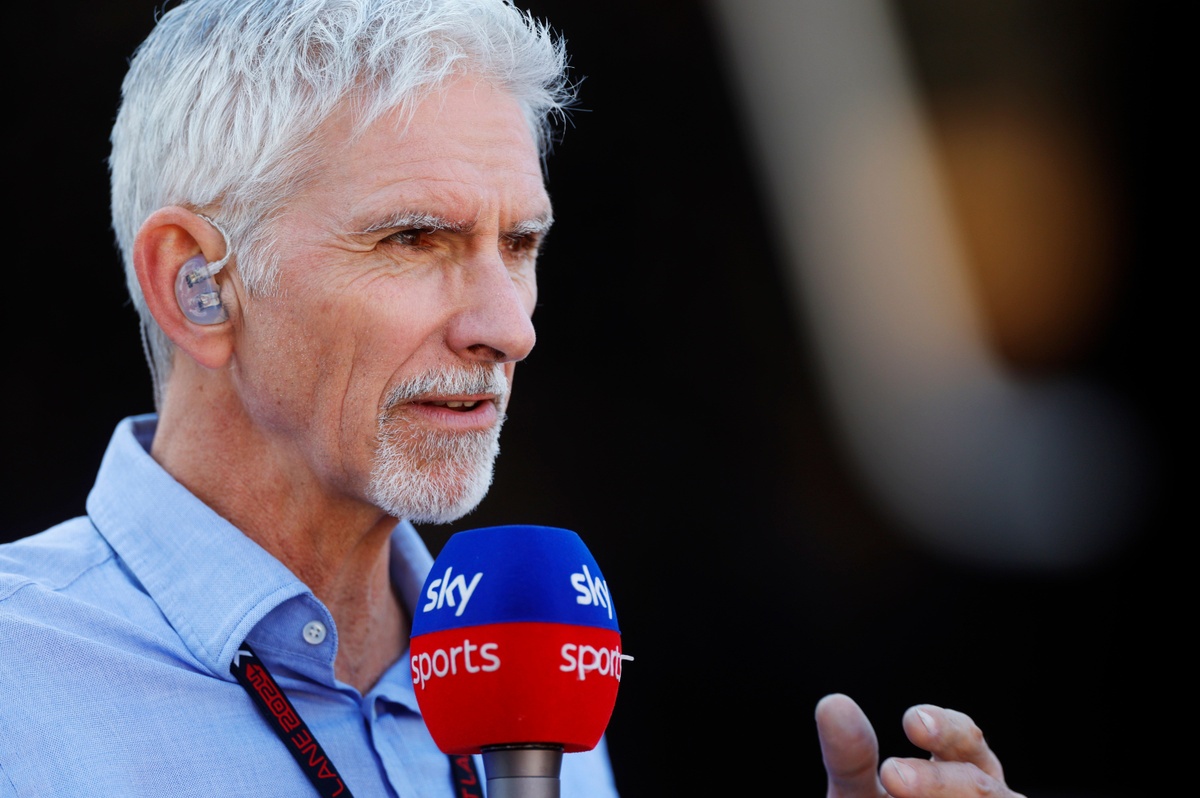
1996 Formula 1 champion Damon Hill has reflected on the evolving demands of top-tier motorsport, identifying a critical leadership lesson he believes he grasped too late in his own racing career. Hill noted that the modern era of Formula 1 requires drivers to act as central figures in galvanizing the entire workforce.
Speaking during a recent appearance on the Up To Speed podcast, Hill discussed how the psychological and leadership expectations placed on drivers have shifted. He pointed to figures like Michael Schumacher and Sebastian Vettel as the benchmark for how a driver can influence the culture and performance of an entire engineering organization.
The Evolution of Driver Leadership in Formula 1
In the contemporary Formula 1 landscape, the driver is often viewed as the focal point of a massive technical enterprise. Hill’s observations align with a broader shift in the sport. However, the modern expectation extends into the realm of team morale and collective focus.

Hill highlighted that his realization regarding this “galvanizing” effect came “a little bit too late” in his career.
Hill’s comments suggest that he recognizes this trend as a permanent fixture of the sport’s professional demands.
Benchmarking Against Schumacher and Vettel
The comparison to Michael Schumacher is a recurring theme in discussions about driver influence. Hill’s admission serves as a professional acknowledgment of this blueprint.
Sebastian Vettel is similarly cited by Hill as a driver who understood the necessity of the team’s long-term vision.
Hill’s reflection serves as a reminder to the next generation that their influence extends well beyond the checkered flag.
Looking Ahead to the Next Grand Prix
As the Formula 1 season progresses, the focus remains on how these internal team dynamics translate into performance on the track.
Fans and analysts will be watching to see how teams manage the high-pressure environment of the mid-season, as every decision on the pit wall and in the factory continues to shape the championship standings. For further updates on team developments and official race results, supporters are encouraged to follow the official news portal for the latest bulletins from the paddock.
What are your thoughts on how driver leadership has changed the sport? Share your perspective in the comments section below.
Related reading