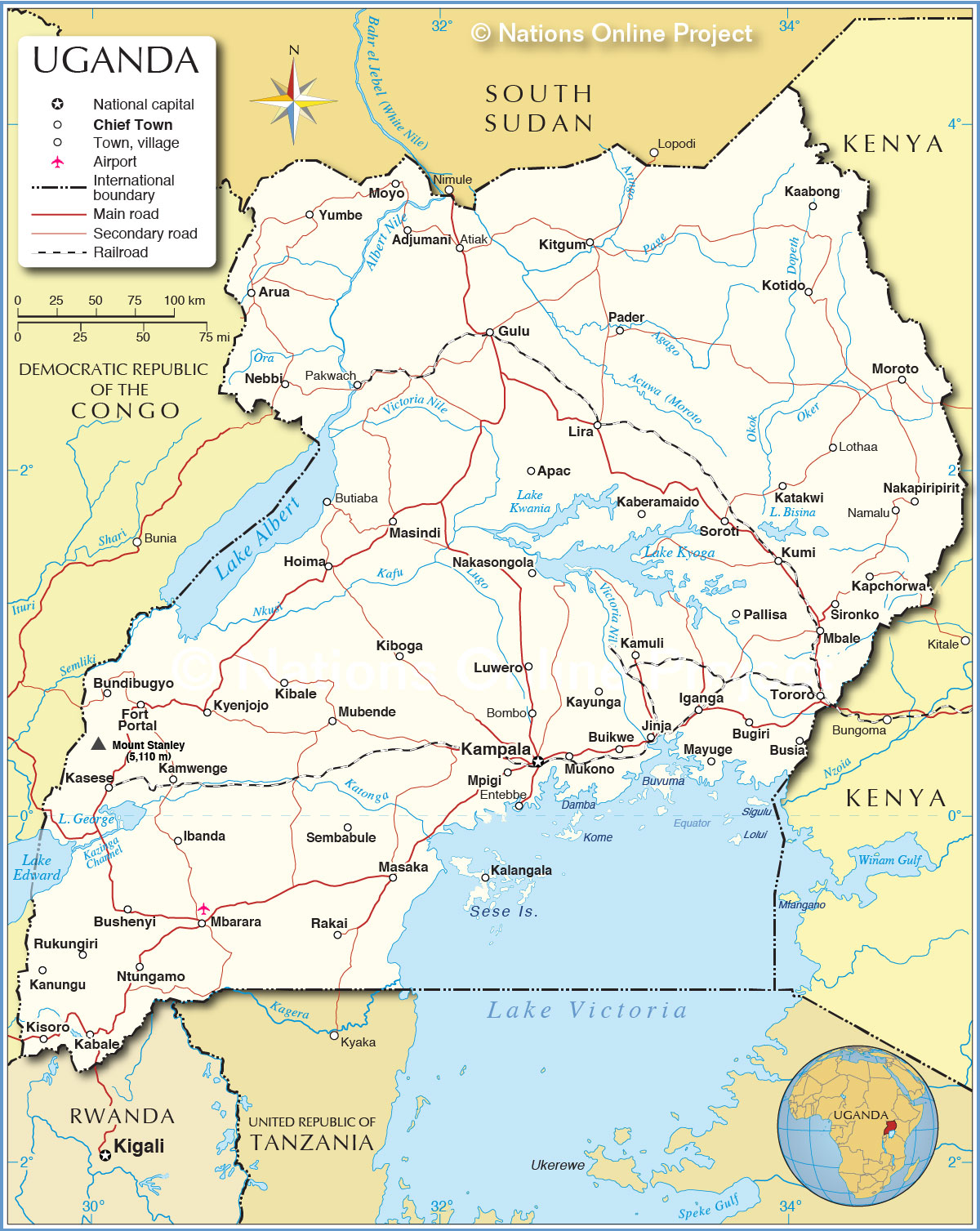
Uganda is moving toward the end of its 2022 Ebola outbreak as health authorities prepare to discharge the final patient currently receiving treatment. According to the Ugandan Ministry of Health and international observers, the country has made significant progress in containing the Sudan ebolavirus strain, which was first identified in the Mubende district in September 2022. The discharge of this last patient marks a critical milestone in the nation’s public health response to the epidemic.
As a physician and health journalist, I have followed the trajectory of this outbreak closely. The containment of such a volatile pathogen requires not only clinical precision but also robust community engagement and rapid diagnostic infrastructure. The ability to reach this final stage of patient care reflects the collaborative efforts between the Ugandan government and global health partners, including the World Health Organization (WHO), to break the chain of transmission.
The Path to Containment
The 2022 outbreak in Uganda presented unique challenges due to the specific strain involved. Unlike the Zaire ebolavirus, which has been the focus of previous major outbreaks in the Democratic Republic of the Congo, the Sudan strain lacked an approved vaccine or specific therapeutic treatment at the time of the initial surge. According to the World Health Organization, the Sudan ebolavirus (SUDV) has historically caused varying mortality rates, and its emergence in Uganda necessitated a rapid pivot toward intensive supportive care and rigorous contact tracing.
Government spokespeople have signaled that the discharge of the final patient is a byproduct of weeks of intensive monitoring. To be cleared for discharge, patients must test negative for the virus via reverse transcription polymerase chain reaction (RT-PCR) testing and remain asymptomatic for a designated period. This protocol ensures that individuals are no longer infectious before they return to their communities. The Ugandan Ministry of Health has consistently emphasized that even as patient numbers dwindle, surveillance systems remain active to detect any potential resurgence of the virus.
Medical Response and Public Health Impact
The response to the Ebola virus disease (EVD) in Uganda was characterized by a multi-pronged approach: isolation units, specialized training for frontline healthcare workers, and the establishment of mobile laboratories to expedite testing. Because Ebola is transmitted through direct contact with the bodily fluids of infected individuals, the primary tool for control remains the isolation of symptomatic patients and the tracing of their contacts.
Throughout the outbreak, the government worked to address the social stigma often associated with the disease. Public health officials utilized radio broadcasts and community meetings to educate the population on the importance of early reporting. According to reports from the WHO Regional Office for Africa, the integration of community leaders into the response strategy was essential in ensuring that patients sought clinical care at the first sign of fever or other symptoms, rather than relying on traditional practices that could facilitate viral spread.
What Happens Next: Monitoring and Evaluation
While the discharge of the last patient is a signal of success, the end of an outbreak is not declared immediately. The WHO requires a period of 42 days—equivalent to two 21-day incubation cycles of the virus—without any new confirmed cases before a country can be officially declared Ebola-free. During this window, the Ugandan health system continues to maintain high levels of vigilance.
The healthcare infrastructure built during this period—including enhanced laboratory capacity and the training of rapid response teams—is expected to serve as a long-term asset for the region. The lessons learned from this outbreak, particularly regarding the need for rapid diagnostic development and international cooperation, are currently being documented by health authorities to refine future pandemic preparedness strategies. Readers seeking the most recent official data on the outbreak’s status should consult the Ugandan Ministry of Health’s official updates, which provide the most accurate daily tallies and guidance for affected districts.
The transition from an active outbreak to a post-outbreak monitoring phase is a delicate time for public health systems. The focus now shifts toward long-term support for survivors, who may experience post-Ebola symptoms, and the continued strengthening of the national disease surveillance network. We will continue to monitor the situation as the government makes its official declaration regarding the end of the outbreak.
Have you found this analysis helpful? Please share this report with your network and join the conversation below if you have questions regarding public health protocols in East Africa.
- Argentine Citizens Face Penalties for Banners Supporting Falkland Islands Claims
- From Hiding to Flaunting: How Celebrity Pregnancy Style Has Evolved
- WHO Alarmed as Ebola Outbreak Surges in Congo With Over 2,000 Cases (world-today-news.com)
- Congo Ebola Deaths Soar Past 700, Outbreak Spreads Uncontrollably (time.news)