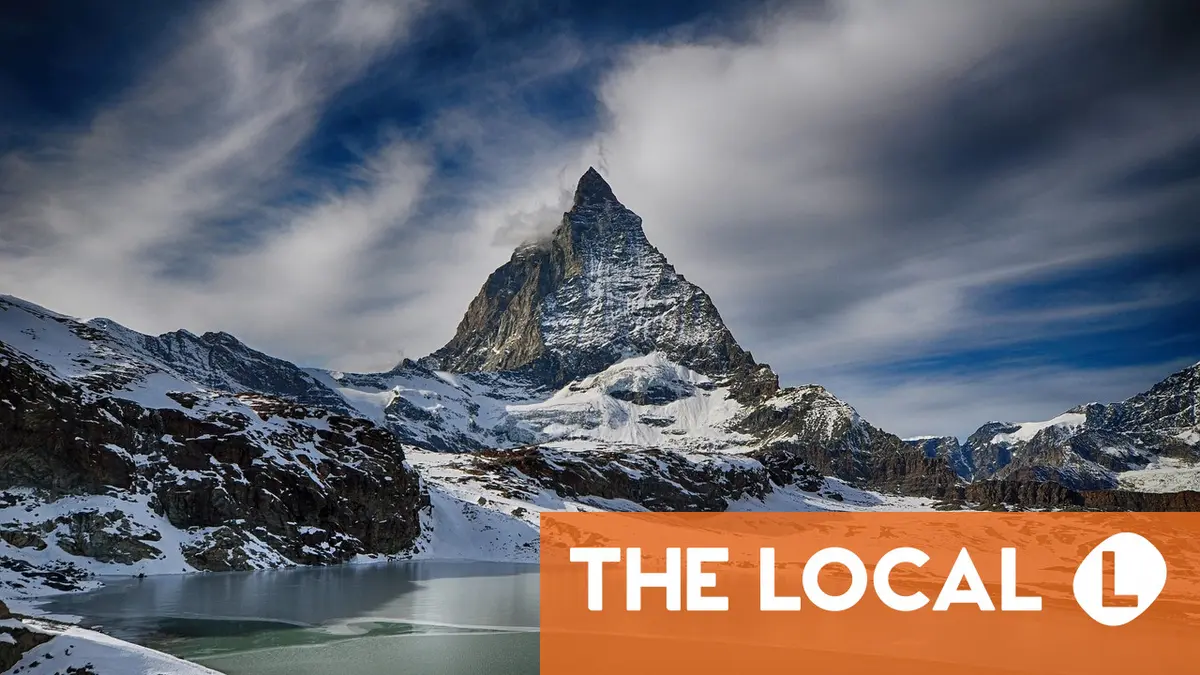
Switzerland is currently managing a diverse set of domestic challenges, ranging from political demonstrations over national neutrality to urgent safety warnings for high-altitude mountaineers. On Thursday, right-wing activists staged a visual protest regarding the country’s diplomatic stance, while professional mountain guides issued warnings against climbing the Matterhorn due to deteriorating conditions.
The intersection of cultural identity and national security remains a focal point for Swiss political discourse. These developments highlight a tension between the traditional image of Swiss neutrality and the evolving geopolitical pressures facing the Swiss Confederation in the current European security climate.
The safety of the Alps, particularly the Matterhorn, continues to be a primary concern for the Swiss tourism and rescue sectors. As climate patterns shift, the risks associated with “over-tourism” and unpredictable weather on the 4,478-meter peak have led to increased caution from the International Mountain Guides Association and local alpine clubs.
Right-Wing Protests Target Swiss Neutrality
Activists from the hard-right political spectrum organized a demonstration on Thursday aimed at reinforcing a strict interpretation of Swiss neutrality. In a calculated move to evoke traditionalism, participants appeared in Bavarian-style costumes, utilizing folk dress to symbolize a connection to ancestral roots and a rejection of modern internationalist pressures.

The protesters are specifically reacting to the Swiss government’s decision to adopt certain European Union sanctions against Russia following the invasion of Ukraine. While the Swiss Federal Council maintains that these measures are consistent with international law, critics argue that the move compromises the Swiss Confederation’s historical status as a neutral mediator.
This visual protest reflects a broader trend within Swiss domestic politics where traditionalist imagery is used to signal resistance to the perceived “Europeanization” of Swiss policy. The use of Bavarian attire, though not strictly Swiss, serves as a regionalist shorthand for a conservative, agrarian identity that views global diplomatic alignments as a threat to national sovereignty.
Matterhorn Climbing Warnings and Alpine Safety
Professional mountain guides have issued a stark warning to climbers regarding the Matterhorn, citing a combination of hazardous weather and overcrowding. The Matterhorn is one of the most climbed peaks in the Alps, but guides warn that the “democratization” of the mountain—where less experienced climbers attempt the summit—is creating a safety crisis.

According to reports from alpine safety experts, the risk of rockfalls has increased due to permafrost degradation, a direct result of rising global temperatures. This instability makes the Hörnli Ridge, the most popular route, increasingly dangerous. Guides emphasize that the window for safe ascent is narrowing, and they urge climbers to strictly adhere to the advice of certified professionals.
The Air Zermatt rescue service, which handles the majority of emergencies on the mountain, has noted a consistent strain on resources. The combination of inexperienced hikers and unpredictable alpine weather has led to a rise in rescue operations, some of which put the rescuers themselves at significant risk.
Broader Thursday Roundup in Switzerland
Beyond the political and alpine headlines, Switzerland is navigating several other administrative and social developments this week. Local municipalities are continuing to debate the implementation of new environmental regulations aimed at reducing urban heat islands in cities like Zurich and Geneva.
In the financial sector, Swiss banks continue to adapt to the evolving regulatory landscape regarding transparency and international tax cooperation. These shifts are part of a long-term transition away from the traditional Swiss banking secrecy model toward a more integrated global reporting standard.
Public transport updates across the Swiss Federal Railways (S own SBB) network indicate ongoing infrastructure upgrades to improve the efficiency of the Gotthard Base Tunnel, the world’s longest railway tunnel, which remains a critical artery for European trade and transit.
Analysis: The Conflict of Identity and Modernity
The events of Thursday illustrate a recurring theme in contemporary Switzerland: the struggle to balance a storied past with a complex future. The neutrality debate is not merely about sanctions; it is an existential question about what it means to be “Swiss” in a polarized world. When right-wing groups don traditional dress to protest diplomatic shifts, they are attempting to anchor the national identity in a perceived era of stability.

Similarly, the warnings on the Matterhorn represent a clash between the romanticized ideal of the Alps and the physical reality of a changing climate. The mountain, once a symbol of conquest and endurance, is now a case study in environmental vulnerability and the dangers of mass tourism.
For the global observer, these developments show that even the most stable nations are not immune to the pressures of geopolitical realignment and ecological shift. The Swiss approach—characterized by consensus and caution—is being tested by the speed of these changes.
The next official update regarding the Swiss government’s position on neutrality is expected during the upcoming Federal Council briefings. Meanwhile, alpine safety alerts for the Matterhorn are updated daily via the Zermatt mountain rescue portals.
We invite readers to share their perspectives on the balance between national neutrality and international responsibility in the comments below.
Worth a look