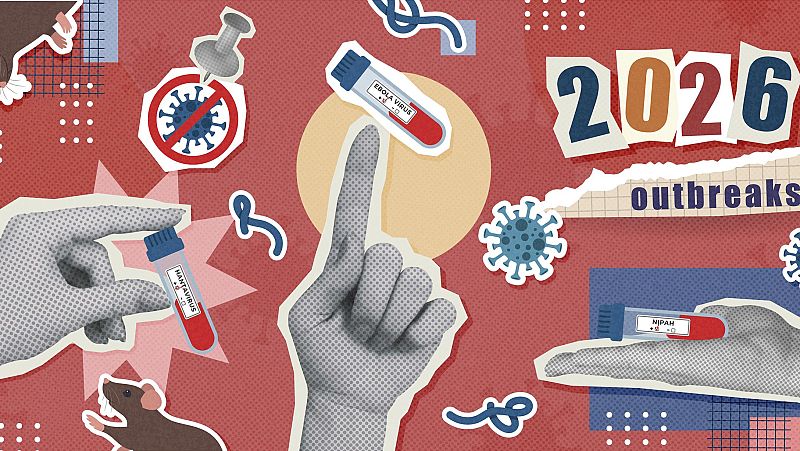
Zoonotic spillover—the transmission of pathogens from animals to humans—remains a primary driver of emerging infectious diseases globally. With the COVID-19 pandemic serving as a recent, high-impact example of a virus originating in an animal reservoir, public health authorities and international researchers are intensifying efforts to monitor viral evolution and interspecies transmission. Understanding these dynamics is essential for early detection and the mitigation of future pandemic risks, according to the World Health Organization (WHO).
The majority of emerging infectious diseases are zoonotic in origin. As human populations expand and interact more frequently with wildlife habitats, the frequency of contact between humans and animal-borne viruses increases. This process, often described as a “spillover event,” occurs when a virus successfully crosses the species barrier to infect a human host. Once established, the pathogen may gain the capacity for human-to-human transmission, which, in extreme cases, can lead to widespread outbreaks or pandemics, as noted by the Centers for Disease Control and Prevention (CDC).
The Mechanism of Viral Emergence
Viral emergence is rarely a singular event; it is the culmination of ecological, biological, and anthropogenic factors. Researchers focus on “viral surveillance”—the systematic monitoring of viruses in animal populations—to identify potential threats before they reach human communities. According to the journal Nature, genomic sequencing allows scientists to track mutations in real-time, providing critical data on how viruses adapt to new hosts. These efforts are part of a global “One Health” approach, which recognizes that human health is inextricably linked to the health of animals and the shared environment.
Key drivers of emergence include deforestation, the global wildlife trade, and intensive livestock farming. When natural ecosystems are disrupted, animals are forced into closer proximity with human settlements. This reduces the barrier between wild viral reservoirs and human populations. The Intergovernmental Science-Policy Platform on Biodiversity and Ecosystem Services (IPBES) highlighted in a 2020 report that the economic costs of preventing pandemics through environmental protection are significantly lower than the costs of responding to them once they occur.
Global Surveillance and Preparedness Infrastructure
International health agencies are currently working to institutionalize data sharing to prevent future outbreaks. The WHO Pandemic Agreement negotiations represent a concerted effort to create a more equitable and efficient system for monitoring and responding to emerging pathogens. These frameworks emphasize the importance of global transparency, ensuring that when a novel virus is identified, the genetic data is shared immediately with the international scientific community.
Early detection relies heavily on laboratory capacity in regions identified as “hotspots” for zoonotic emergence. Significant investment is currently directed toward training local researchers in Southeast Asia, Africa, and Latin America to conduct field surveillance. By identifying viruses in their natural hosts—such as bats, rodents, or non-human primates—before they spill over into humans, public health officials can implement targeted vaccination or behavioral interventions to break the chain of transmission.
Addressing Challenges in Pathogen Identification
Despite advancements in technology, predicting which viruses will cause the next pandemic remains a significant challenge. The sheer diversity of viral strains in the wild makes it impossible to monitor every potential threat. Consequently, experts prioritize “high-risk” families of viruses, such as coronaviruses, filoviruses, and paramyxoviruses, which have historically demonstrated the ability to cause severe human disease. The National Institute of Allergy and Infectious Diseases (NIAID) maintains a strategic plan focused on these viral families to accelerate the development of “prototype” vaccines that can be rapidly adapted for new variants.
This proactive strategy is designed to shift the medical response from reactive to anticipatory. By developing broad-spectrum antiviral treatments and platform-based vaccine technologies, health systems aim to reduce the time required to mount a public health response. The goal is not to eradicate all zoonotic viruses—an impossible task—but to manage the interface between human and animal populations to prevent the next spillover from escalating into a global crisis.
As international agencies continue their scheduled reviews of pandemic preparedness protocols, the public remains encouraged to monitor updates from local health ministries and the WHO for evolving guidance on infectious disease prevention. Engagement with verified scientific literature and support for global health infrastructure remain the most effective tools in addressing the ongoing challenge of emerging viruses.