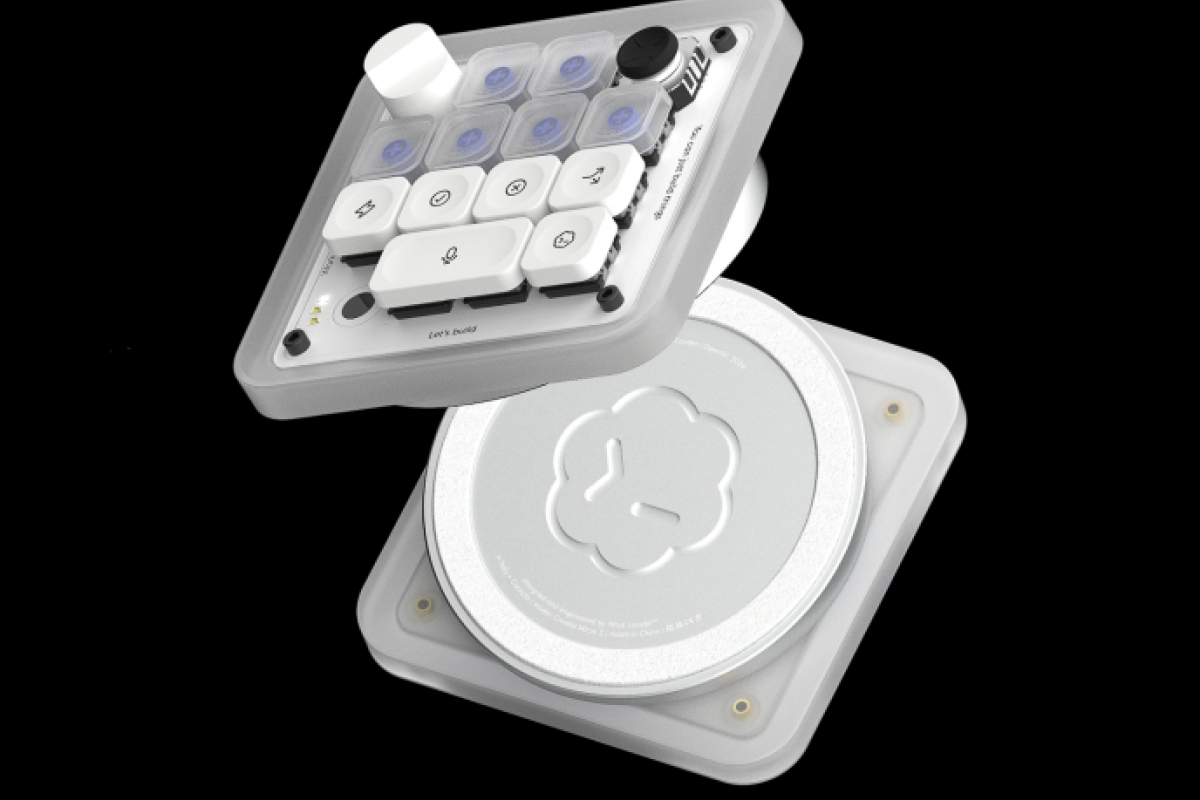
OpenAI, the artificial intelligence research organization behind the ChatGPT platform, has been the subject of intensifying industry reports regarding its potential entry into the consumer hardware market. While speculation frequently surrounds the company’s product roadmap, multiple reports indicate that OpenAI is exploring the development of standalone devices designed to integrate its large language models into physical, everyday objects.
The current discourse centers on the transition from software-based interfaces to dedicated hardware, specifically focusing on portable devices that could function as ambient assistants.
Hardware Strategy and Market Speculation
Recent reports suggest that OpenAI is actively prototyping hardware, with a particular emphasis on a portable, screenless device. According to coverage from outlets such as Reforma, the company is evaluating the viability of a handheld speaker that relies on voice interaction, effectively positioning the product as a potential competitor to established smart home ecosystems like Amazon’s Alexa or Google Assistant. The intent appears to be a more seamless, “human-like” interaction model, where the device serves as a constant, responsive companion rather than a traditional computer interface.

The development of such hardware is not occurring in a vacuum. As reported by Applesfera, the intersection of OpenAI’s software capabilities and hardware design has drawn significant attention from competitors, particularly Apple, which is also refining its own AI-driven hardware strategies.
The Evolution of AI-Integrated Peripherals
Beyond standalone speakers, the concept of specialized input devices—often described in recent tech discourse as customizable keyboards or tactile controllers—has gained traction. These devices are theorized to act as physical bridges between the user and ChatGPT, allowing for specific macros or workflows that trigger complex AI processes with a single physical input. While these reports of “micro” keyboards or specialized controllers remain in the realm of industry rumor, they align with a broader trend in the tech industry: the move toward “AI-native” hardware that prioritizes low-latency voice and gesture control over traditional screen-based navigation.
According to Xataka México, the focus on “feeling more human” is a core tenet of the design philosophy for these potential products. By incorporating cameras and physical, moving components, the hardware could theoretically perceive its environment and respond with a degree of physical presence that software alone cannot replicate.
Industry Context and Potential Challenges
As noted by Forbes México, the success of a consumer device from OpenAI will depend heavily on its ability to offer a unique value proposition that justifies the cost of new hardware in a market already saturated with smart speakers and AI-enabled smartphones.

Furthermore, the competitive landscape is rapidly evolving. The company has not provided an official release date for any consumer hardware, and many of these projects remain in the research and development phase.
Next Steps for Consumers
As of mid-2024, OpenAI has made no formal announcements or product filings regarding a specific hardware launch date. Consumers and industry watchers should look for official communications through the OpenAI Newsroom for any verified updates regarding future product development or hardware initiatives.
This space remains fluid, and reports regarding “Codex” or “Micro” devices should be viewed as speculative until officially confirmed by the company’s leadership. We will continue to monitor patent filings and corporate disclosures for any concrete evidence of a shift into the consumer hardware sector. If you have insights or have observed further developments in this area, we invite you to share your perspective in the comments section below.