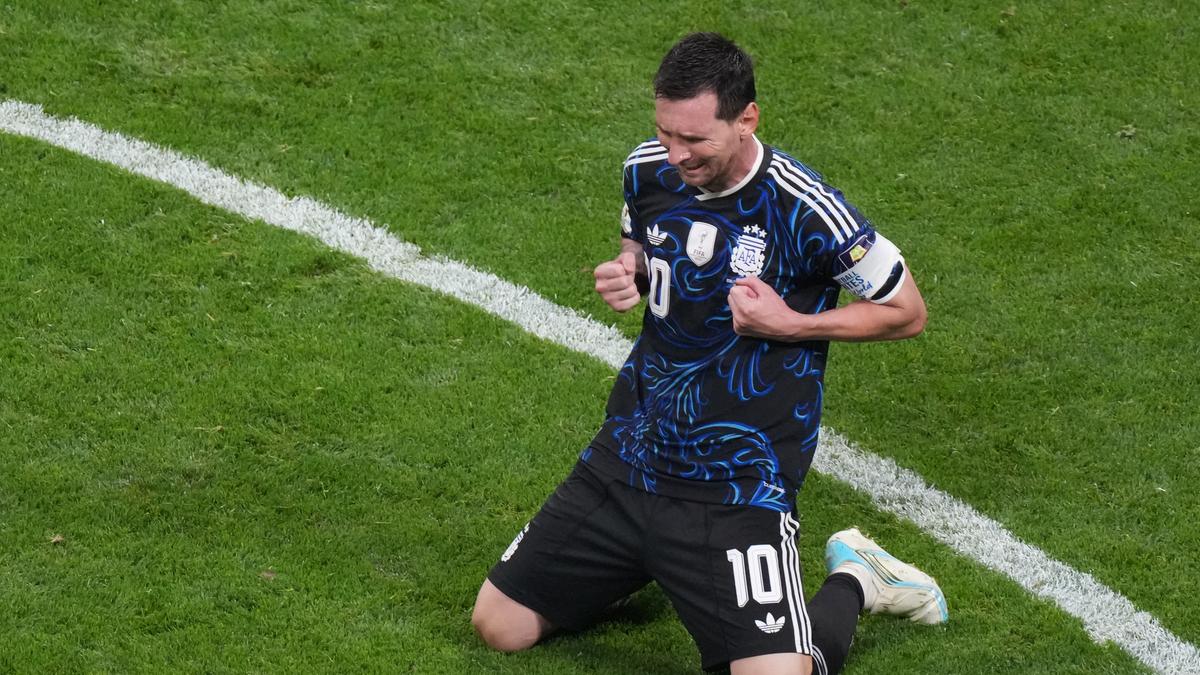
Lionel Messi’s sustained impact on international football continues to draw global attention, with the Argentine captain recently earning praise from Harry Kane for his enduring performance levels. As Messi navigates the later stages of his career, his ability to influence matches through tactical intelligence and technical precision remains a primary subject of analysis for researchers and fans alike.
The conversation surrounding Messi’s longevity reached a new peak following his recent performances, where he demonstrated a capacity to dictate play that defies conventional expectations for a player of his age. Harry Kane highlighted the “game-reading” ability that allows the forward to remain a decisive presence on the pitch, even as physical demands on top-tier athletes evolve.
The Tactical Evolution of Lionel Messi
At 39 years old, Messi has transitioned from the high-intensity winger role of his youth to a more calculated, playmaker-oriented position. Sports science researchers note that this “intelligence-led” style of play is a key factor in his ability to maintain high performance levels, as he minimizes unnecessary movement to preserve energy for critical attacking moments.
This shift in playing style is not merely an adaptation to aging but a strategic refinement. By operating in deeper pockets of space, Messi forces defensive lines to choose between pressing him—thereby opening gaps behind them—or dropping off, which allows him the time to pick out precise assists. This tactical awareness has been a hallmark of his tenure with the Argentina national team, where his role as a creative anchor has proven essential to team success.
Redefining Statistical Milestones
Messi’s professional career has been marked by a consistent ability to rewrite historical records. In the World Cup, he established a legendary record that rewrote 60 years of history. His total contribution to international goals and assists continues to place him at the pinnacle of modern football statistics.
Beyond the raw numbers, the “assist king” and “dribbling goat” monikers have gained traction as his playmaking responsibilities have increased. Analysts point out that his vision, which allows him to predict the movement of teammates seconds before the ball is played, remains unmatched in contemporary football. His ability to execute these passes under pressure is what consistently separates his performance from peers, regardless of his age.
Peer Respect and the Path Forward
While many players see their influence wane as they enter their late 30s, Messi’s sustained presence in competitive squads suggests a rigorous approach to fitness, nutrition, and recovery.
As Messi looks toward future competitions, the focus remains on his role as a mentor and a tactical leader. His journey to his current status as a global icon provides a template for longevity in a sport that is increasingly defined by physical intensity. For fans and analysts, the question is no longer how long he can continue to play, but how he will continue to evolve his game to maintain his status as one of the most effective players on the pitch.
The next major checkpoint for Messi will be his ongoing commitments with the Argentina national team. As he continues to reach these milestones, his influence on the game’s tactical landscape remains a focal point for the international sports community. We invite readers to share their thoughts on Messi’s tactical evolution and his impact on the modern game in the comments below.
Keep reading
- Argentina vs England: Messi Reacts as British Press Slams Tuchel After World Cup Clash
- Josiah Karapani Scores Crucial Try to Level Scores for Broncos at CommBank Stadium
- The Hidden Tech Behind Every Public Wi-Fi Login Screen (daybreakwire.com)
- Messi Leads Golden Boot Race as World Cup Enters Final Stages (news-usa.today)