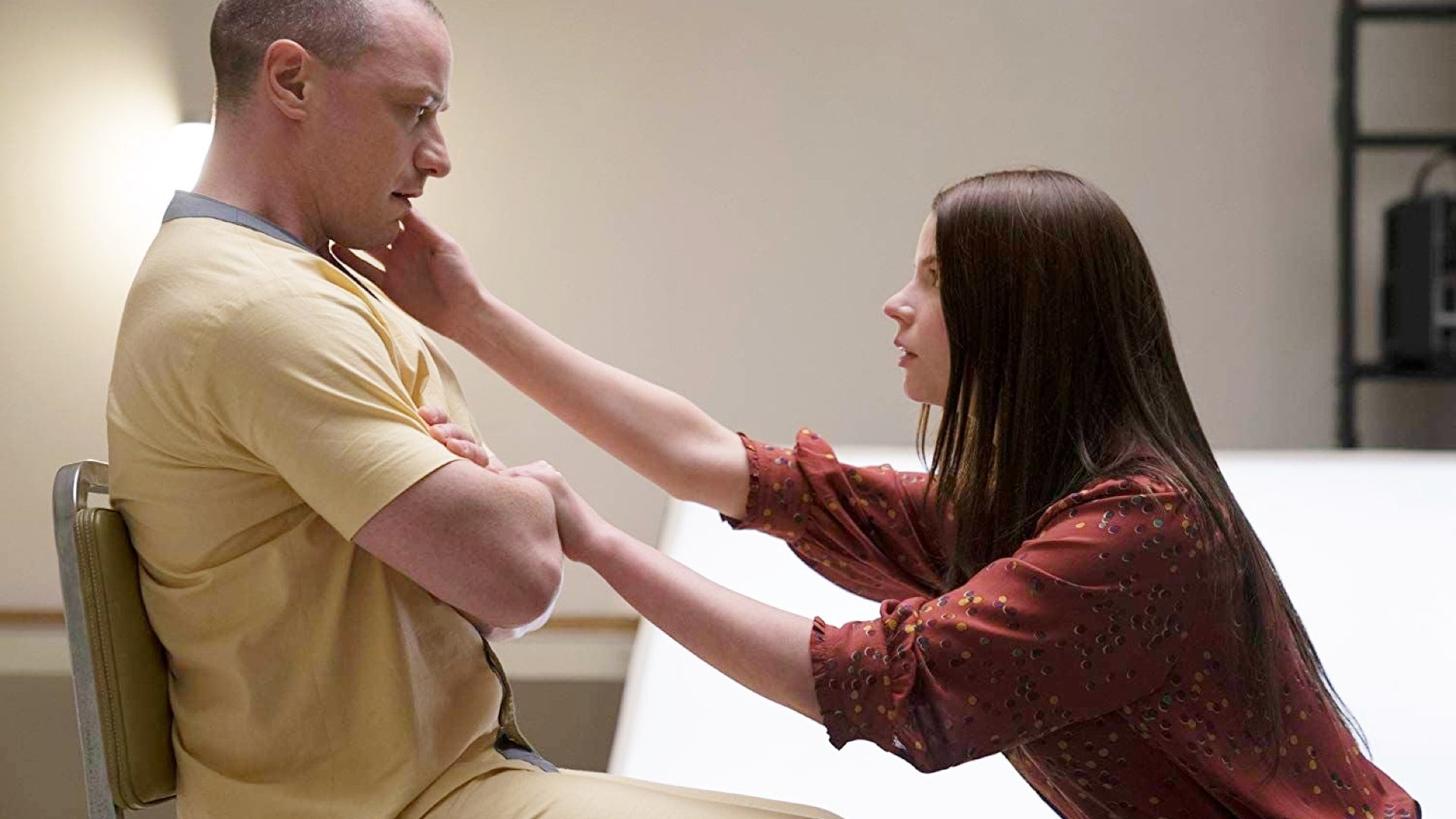
During the production of M. Night Shyamalan’s 2016 psychological thriller Split, Anya Taylor-Joy experienced significant apprehension regarding the intense acting approach of her co-star, James McAvoy. While the film is widely recognized for McAvoy’s portrayal of Kevin Wendell Crumb—a character suffering from dissociative identity disorder with 23 distinct personalities—Taylor-Joy has publicly noted that the actor’s total immersion in his roles initially proved daunting to her as a young performer.
The dynamic between the two leads was defined by McAvoy’s commitment to the “method” style of acting, a technique often associated with actors like Joaquin Phoenix, where the performer remains in character even when the cameras are not rolling. For Taylor-Joy, who played the character Casey Cooke, this meant interacting with a colleague who frequently shifted between volatile and unpredictable personas throughout the workday.
The Impact of Method Acting on Set
In various interviews, including discussions regarding the film’s legacy, Anya Taylor-Joy has described the experience of working with James McAvoy as both transformative and intimidating. The production of Split required McAvoy to switch rapidly between personalities, such as the fashion-obsessed Dennis, the childlike Hedwig, and the menacing Patricia. According to reporting on the film’s release and production, McAvoy’s ability to embody these disparate identities was so convincing that it blurred the lines between performance and reality for those sharing the screen with him.

Taylor-Joy has credited this intensity with pushing her to improve her own craft. By having to react to a co-star who was fully “in character” at all times, she was forced to maintain a high level of alertness. The psychological demands of the set were exacerbated by M. Night Shyamalan’s direction, which leaned heavily into the claustrophobic and tense atmosphere required for the thriller’s narrative. The film, which was produced on a modest budget of approximately $9 million, went on to become a significant commercial success, grossing over $278 million worldwide, according to Box Office Mojo.
Comparisons to Intense Performances
The mention of Joaquin Phoenix in the context of method acting refers to a widely discussed industry standard for immersive performance. Actors who utilize this process—often referred to as “method acting”—frequently draw comparisons to figures like Phoenix or Daniel Day-Lewis, known for maintaining their character’s psychological state for the duration of a project. When McAvoy adopted this approach for Split, the shift was noticeable to the entire crew.

Taylor-Joy’s reaction was not one of professional friction, but rather a genuine response to the vulnerability required by such a performance. As she has stated in retrospective interviews, the experience was a “baptism by fire” that taught her how to navigate high-stakes scenes with an actor who refused to break character. This professional pressure provided a foundation for her subsequent career, which has included roles in The Queen’s Gambit and Furiosa: A Mad Max Saga.
Behind the Scenes of Shyamalan’s Thriller
The production of Split was noted for its disciplined environment. M. Night Shyamalan, known for his precise storyboarding and control over the set, utilized the Philadelphia area for filming, grounding the supernatural elements of the story in a gritty, realistic aesthetic. The interaction between McAvoy and Taylor-Joy served as the emotional core of the movie, with their scenes often requiring sustained tension that lasted for hours at a time.
For audiences interested in the technical aspects of the film, the Universal Pictures release remains a primary case study in how character-driven thrillers can achieve massive audience engagement through singular, high-intensity acting. The film’s success led to the 2019 follow-up, Glass, which completed the trilogy that began with 2000’s Unbreakable.

As of 2024, there are no further installments planned for the Unbreakable trilogy, though the legacy of the performances in Split continues to be a frequent topic of discussion in film schools and acting workshops. Readers who wish to revisit the film or explore the director’s later works can find official updates and streaming information on the official website of M. Night Shyamalan.
If you enjoyed this look behind the scenes of one of modern cinema’s most intense thrillers, feel free to share your thoughts in the comments section below or join the conversation on our social media channels.
Keep reading