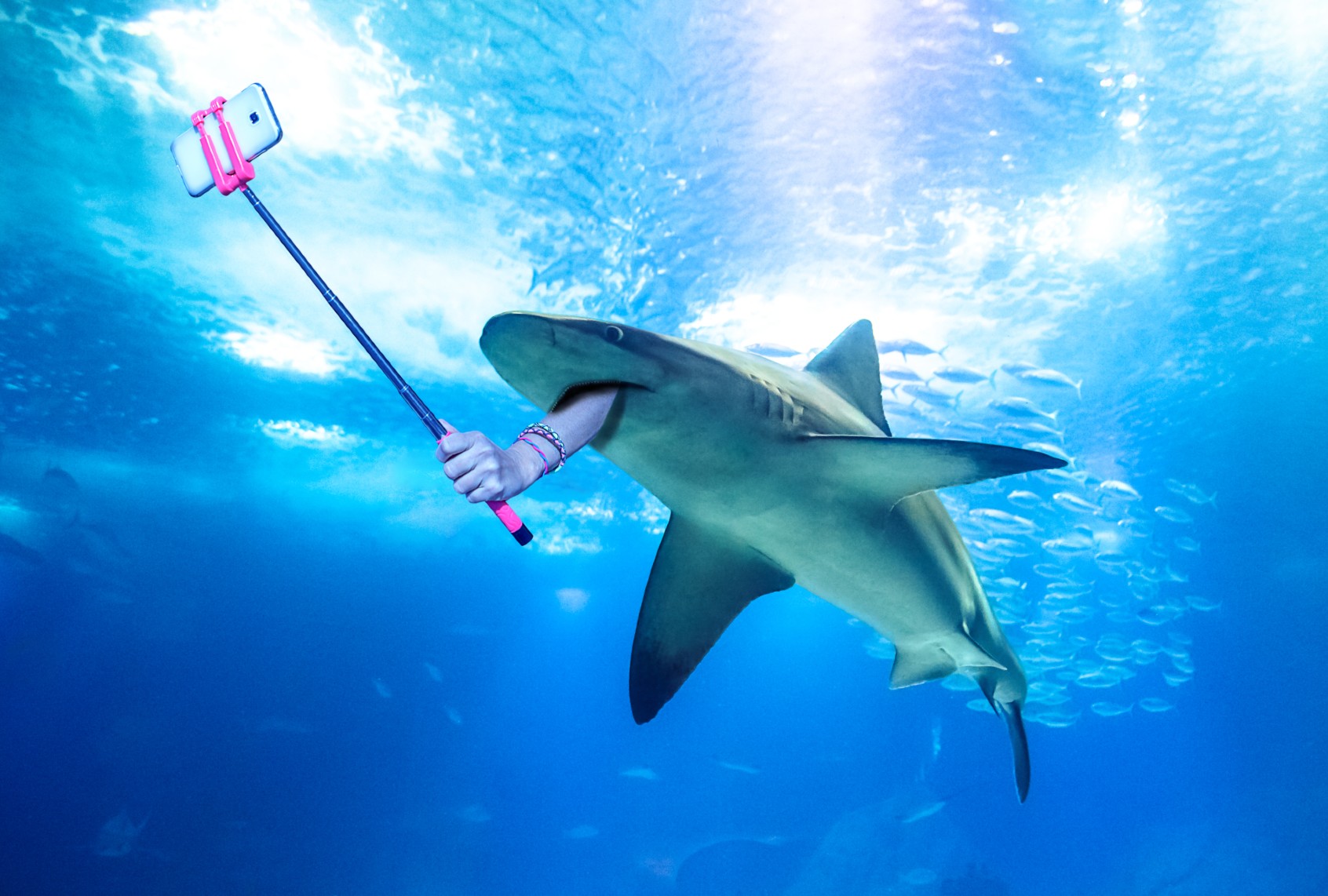
Visitors to national parks and wild spaces are increasingly endangering themselves and local wildlife by prioritizing social media content over safety and environmental ethics. Recent incidents, including a severe bison attack in Yellowstone National Park and dangerous encounters with sharks and seals, highlight a growing trend where tourists ignore distance regulations to capture photos or videos. Experts warn that these interactions not only risk human life but also cause significant physiological stress to animals, potentially disrupting essential behaviors like breeding and feeding.
The Rising Toll of Wildlife-Related Injuries
Wildlife encounters in protected areas have led to a series of injuries, often fueled by the desire for proximity. In a recent incident at Yellowstone National Park, a 65-year-old grandfather suffered a broken leg in four places after being struck by a bison. According to wildlife photographer Mike MacLeod, who witnessed the event, the man and his 13-year-old grandson were abiding by park guidelines and maintaining distance when the animal charged. The incident, which occurred this summer, serves as a stark reminder of the unpredictability of wild animals.
The National Park Service has frequently cautioned visitors against approaching wildlife. A 2024 social media message from the agency highlighted the absurdity of the behavior, stating, “Believe in yourself like visitors who believe they can pet a bison.” Despite such warnings, the trend of seeking close-up content continues globally. In January, a skier in China’s Xinjiang Uygur Autonomous Region was mauled by a snow leopard after attempting to take a selfie from approximately 10 feet away, despite prior warnings regarding the leopard’s presence in the area.
Physiological Harm and Conservation Consequences
The impact of human interference extends beyond immediate physical injury. Handling or harassing wildlife can trigger long-term physiological damage. Celso Poot, executive director of the Belize Zoo, has noted that even brief human contact can cause animals to experience a buildup of stress hormones, which can lead to muscle locking and lasting health issues. This is particularly concerning as tourist harassment of wildlife has increased in regions known for biodiversity.
Furthermore, the push for social media content can inadvertently fuel illegal and unethical industries. The demand for “tiger selfies” in Thailand, for instance, has been linked to the drugging and abuse of animals to ensure they remain docile for tourists. Organizations like World Animal Protection have taken steps to curb this, introducing the “Wildlife Selfie Code” in 2017. This initiative triggers a warning pop-up on Instagram when users search for hashtags associated with harmful wildlife interactions, such as #slothselfie, cautioning that the search may be linked to posts encouraging animal exploitation.
Regulatory Shifts and Habitat Protection
The relationship between humans and wildlife is further complicated by federal policy changes regarding habitat protection. As of July 14, the U.S. government implemented changes to the Endangered Species Act, specifically altering the definition of “harm.” The previous definition included “significant habitat modification or degradation” as an act that could kill or injure wildlife by impairing essential behavioral patterns. The updated rule removes this specific language, potentially opening previously protected habitats to development activities such as mining, logging, and oil and gas drilling.
Bart Melton of the Conservation Association of National Parks stated that the rule change “defies common sense, science, and paves the way for mining, oil and gas drilling, logging, and development in areas that are crucial to the survival of some of our most vulnerable species.” Critics argue that this shift ignores decades of conservation science and risks undermining recovery efforts for more than 600 species. The Environmental Protection Agency has documented that hundreds of species have gone extinct in the United States over the last century, largely due to habitat loss and human impact.
Maintaining Respectful Distance
Conservation experts emphasize that the presence of humans is often a stressor, regardless of intent. Shervin Hess, a conservation manager at Portland’s Oregon Zoo, advises that “generally, if an animal is alert to your presence, you’re already too close.” He notes that humans have become overly comfortable with wild animals due to the ubiquity of smartphones, often failing to recognize that they are guests in the animals’ natural environment.
For visitors, the responsibility lies in prioritizing the animal’s well-being over the desire for a photograph. Whether it is an elephant seal in Tasmania or a coyote on a golf course, experts suggest that respectful coexistence requires maintaining a distance that allows the animal to behave naturally. As the summer season continues and park attendance remains high, wildlife officials and conservationists urge the public to leave their cameras behind and observe from a safe, non-intrusive distance. The goal, according to Hess, is to appreciate the awe-inspiring nature of these animals without treating them as props for digital validation.
Keep reading