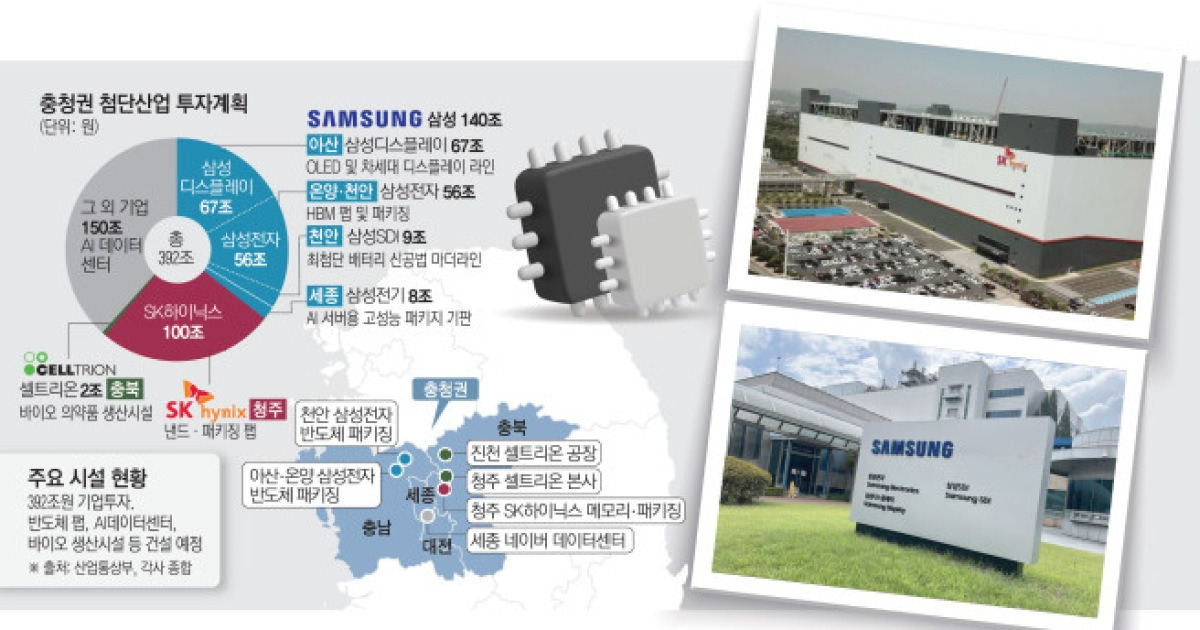
Despite massive capital expenditure announcements in the South Korean semiconductor sector—exceeding 100 trillion won in planned investments—the residential real estate market in the Chungcheong region remains remarkably subdued. While industrial policy, such as the government’s push for a “semiconductor mega-cluster,” often signals future economic growth, current data shows that local housing demand in cities like Cheongju has not experienced the speculative surge typically associated with such large-scale industrial projects.
According to regional market observers, the disconnect between industrial investment announcements and local property values stems from a shift in buyer behavior. Rather than an influx of speculative capital, current activity is driven primarily by genuine residential needs. Local real estate agents report that transaction volumes remain flat, with little evidence of the price volatility that characterized previous industrial expansion cycles in the country.
Industrial Investment vs. Local Housing Market Dynamics
The South Korean government has outlined ambitious goals for the semiconductor industry, including a national high-tech strategic industrial complex plan designed to fortify the domestic supply chain. These projects, often involving partnerships with major firms like SK Hynix, are intended to create thousands of jobs and stimulate regional economies. However, the anticipated “spillover effect” into the housing market has been tempered by broader economic headwinds, including high interest rates and a cooling national real estate climate.
In Cheongju, a key hub for semiconductor manufacturing, market activity is dominated by existing residents seeking to upgrade their living conditions rather than external investors looking to capitalize on new factory announcements. Real estate professionals noted that many transactions involve employees moving from long-term rental arrangements into newly constructed apartments. This trend suggests that the market is currently adjusting to internal demographic shifts rather than reacting to the long-term potential of the semiconductor mega-project.
Factors Influencing Regional Property Stability
Several factors contribute to the current state of the Chungcheong housing market. First, the national Ministry of Land, Infrastructure and Transport has implemented various regulatory measures to stabilize housing prices, which have deterred speculative flipping. Second, the cost of borrowing remains a significant barrier for potential investors. Even with the promise of future job creation, the immediate financial burden of property acquisition in a high-interest rate environment discourages rapid market entry.
Furthermore, the nature of the semiconductor industry’s growth is long-term. Unlike commercial retail developments that provide immediate foot traffic and demand for surrounding services, semiconductor fabrication plants require years of construction and infrastructure build-out before reaching full operational capacity. Consequently, the local housing market has yet to see the surge in rental or purchase demand that might occur closer to the commencement of full-scale production at these new sites.
Understanding the Regional Economic Outlook
For observers tracking the impact of South Korea’s industrial policy, the situation in Chungcheong serves as a case study in market maturity. Investors and analysts often look to industrial announcements as leading indicators for regional real estate; however, the current data indicates that local sentiment is grounded in fiscal caution. Housing supply in major industrial cities has also seen a steady increase, which has helped balance the market and prevent the rapid price escalations seen in previous decades.
The transition for many workers from rental housing to home ownership is a positive indicator for the region’s long-term economic health, as it reflects a stable workforce. Yet, for those expecting a rapid “mega-project” boom in property values, the current, quiet reality serves as a reminder that industrial investment cycles and real estate cycles do not always move in lockstep.
Market participants are now looking toward the next phase of the government’s infrastructure rollout, scheduled for review in the coming fiscal quarter. As these industrial sites progress, authorities will continue to monitor regional housing stability to ensure that supply keeps pace with actual—rather than speculative—demand. We invite our readers to share their insights on regional market trends in the comments section below.
Keep reading