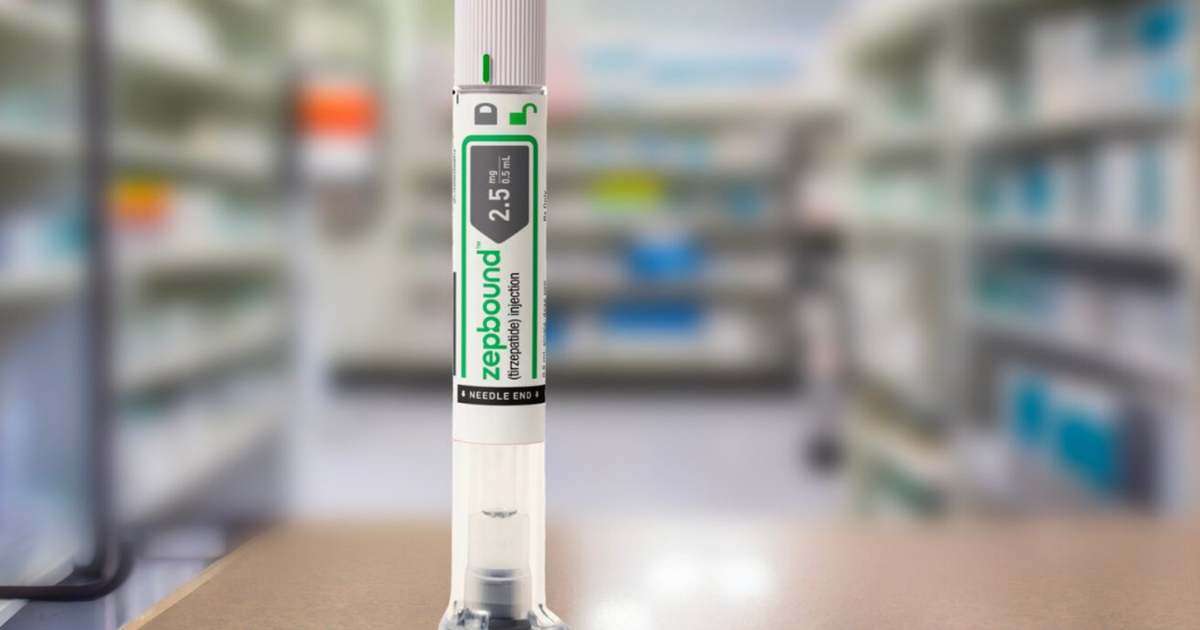
The U.S. Food and Drug Administration (FDA) has approved Zepbound (tirzepatide) for the treatment of obstructive sleep apnea (OSA) in adults with obesity, according to official regulatory filings. This marks the first time the FDA has approved a medication specifically to treat the condition, which previously relied almost exclusively on mechanical interventions like continuous positive airway pressure (CPAP) machines.
Tirzepatide, developed by Eli Lilly, functions as a dual agonist for glucose-dependent insulinotropic polypeptide (GIP) and glucagon-like peptide-1 (GLP-1) receptors. While already approved for chronic weight management and type 2 diabetes, the new indication targets the physiological link between excess adipose tissue in the neck and the collapse of upper airways during sleep.
The decision follows the SURMOUNT-OSA clinical trial, which demonstrated that tirzepatide significantly reduced the apnea-hypopnea index (AHI)—the primary measure of sleep apnea severity—in participants. For many patients, this provides a pharmacological alternative or supplement to bulky nighttime equipment.
How Tirzepatide Reduces Sleep Apnea Severity
Obstructive sleep apnea occurs when throat muscles intermittently relax and block the airway during sleep. According to data from the U.S. Food and Drug Administration, the primary driver for many OSA patients is obesity, where fat deposits around the neck narrow the airway. Tirzepatide addresses this by inducing significant weight loss, thereby reducing the physical obstruction of the upper airway.
In the SURMOUNT-OSA phase 3 trial, participants experienced a substantial decrease in their AHI. The AHI tracks the number of times a person stops breathing or experiences shallow breathing per hour of sleep. Results indicated that a significant percentage of patients achieved a reduction in AHI of 50% or more, which is the clinical benchmark for a meaningful response to treatment.
The drug is administered once weekly via subcutaneous injection. By targeting both GIP and GLP-1 receptors, the medication slows gastric emptying and increases satiety, leading to a caloric deficit and subsequent weight reduction that alleviates the mechanical pressure on the airway.
Comparing Pharmacological Treatment to CPAP Therapy
For decades, the gold standard for treating moderate to severe OSA has been the CPAP machine, which forces air into the throat to keep it open. However, patient adherence to CPAP is notoriously low due to discomfort, noise, and the inconvenience of wearing a mask.
Tirzepatide introduces a systemic approach rather than a mechanical one. While CPAP treats the symptom (the airway collapse) in real-time, tirzepatide treats a primary cause (obesity-related airway narrowing). According to clinical reports, some patients in the SURMO shuts-down trials saw their sleep apnea move from “severe” to “mild” or even disappeared entirely as their weight dropped.
Medical professionals note that tirzepatide is not intended to replace CPAP for all patients, particularly those whose OSA is caused by craniofacial structure rather than weight. Instead, it serves as a targeted therapy for the subset of the population where obesity is the driving factor.
Patient Eligibility and Safety Profiles
The FDA approval specifically targets adults with obstructive sleep apnea and obesity. This means the drug is not indicated for “thin” OSA patients or those with central sleep apnea, where the brain fails to signal the muscles to breathe.
The safety profile of Zepbound is consistent with other GLP-1 medications. The most common side effects reported include nausea, diarrhea, and vomiting, typically occurring during the dose-escalation phase. More serious, though rare, risks associated with the drug class include pancreatitis and gallbladder issues.
Patients are advised to consult healthcare providers regarding their specific medical history, particularly those with a family history of medullary thyroid carcinoma or multiple endocrine neoplasia syndrome type 2, as the drug is contraindicated in these cases.
Impact on Global Public Health and Healthcare Costs
Untreated sleep apnea is linked to a range of systemic health crises, including hypertension, type 2 diabetes, and an increased risk of stroke and heart attack. By providing a medication that treats both obesity and OSA, healthcare systems may see a reduction in the long-term comorbidities associated with these conditions.
The economic impact is significant. Sleep apnea affects millions globally, leading to lost productivity and increased workplace accidents due to daytime somnolence. A pharmacological option that increases patient compliance compared to CPAP could potentially lower the overall cost of chronic care for these patients.
However, the cost of tirzepatide remains a point of contention. As a high-cost specialty medication, access will depend heavily on insurance coverage and national health service approvals in various countries outside the United States.
Next Steps for Patients and Providers
Healthcare providers are now integrating Zepbound into comprehensive sleep medicine protocols. The next critical checkpoint for the medical community will be the release of long-term real-world evidence (RWE) to determine if the reduction in AHI is maintained permanently after the cessation of the drug or if a maintenance dose is required to prevent the return of sleep apnea symptoms.
Patients seeking treatment should first obtain a formal diagnosis via a polysomnography (sleep study) to confirm the severity of their OSA and determine if obesity is the primary contributing factor.
Do you have experience with CPAP therapy or are you considering pharmacological options for sleep apnea? Share your thoughts and questions in the comments below.
Keep reading