<>
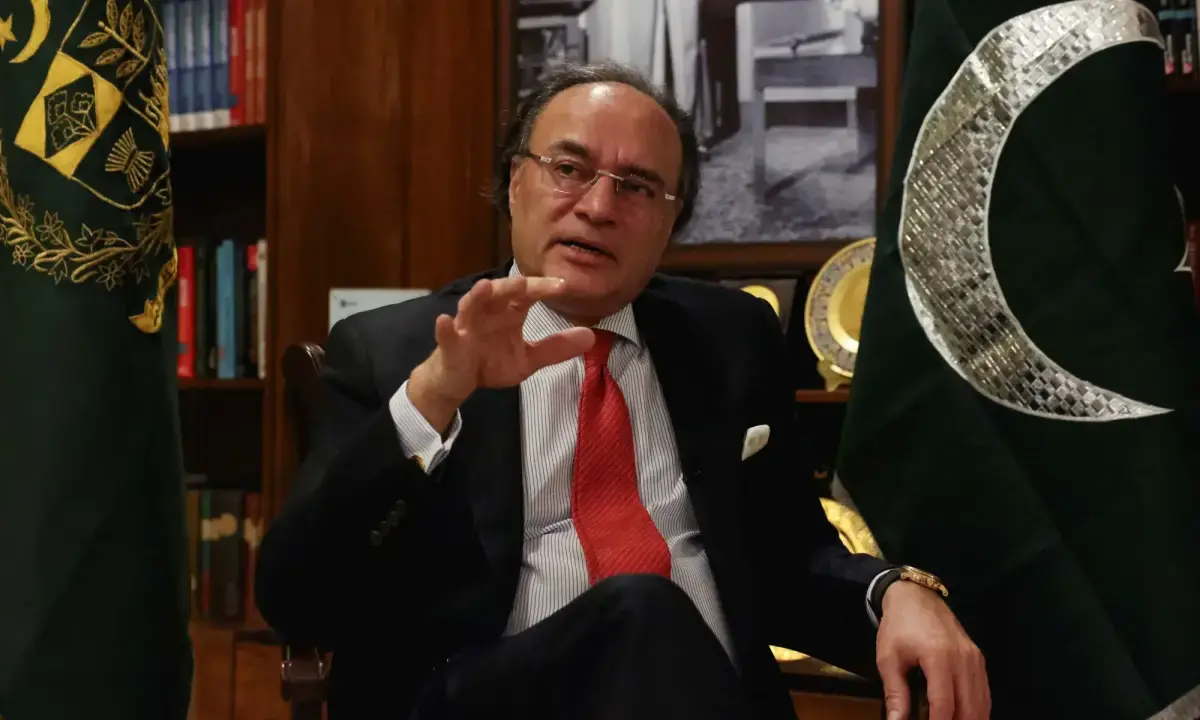
Pakistan’s Finance Minister Muhammad Aurangzeb is scheduled to arrive in Washington this Saturday for a three-day diplomatic mission aimed at recalibrating trade and economic relations with the United States. The visit, which includes high-level discussions with the Office of the United States Trade Representative (USTR) and key multilateral financial institutions, comes as both nations navigate a complex period of tariff negotiations and broader bilateral economic policy development.
The core objective of the minister’s visit is to formalize a framework for a potential bilateral trade agreement. According to reports from diplomatic channels, the agenda encompasses critical issues such as tariff structures, market access, and the promotion of private-sector investment. These discussions are intended to build upon preliminary negotiations held in Washington last week, which focused on the current tariff environment affecting Pakistani exports.
Evolving Tariff Landscape and USTR Investigations
The current trade dialogue follows significant shifts in US trade policy throughout 2025. Earlier this year, the U.S. Supreme Court invalidated tariff measures previously enacted under the International Emergency Economic Powers Act (IEEPA), which had initially placed a 29 per cent tariff on certain Pakistani goods. Following this ruling, the administration transitioned to a temporary 10 per cent global tariff framework under Section 122 of the Trade Act of 1974, a measure currently set to expire on July 24, 2025, after its 150-day statutory duration.

Beyond these temporary measures, Pakistan remains under scrutiny as part of a wider USTR investigation into labor practices. Under Section 301 of the Trade Act, nearly 60 countries are currently being evaluated for alleged forced labor violations. Pakistan faces a proposed additional tariff of 10 per cent as part of this process, while other nations, including India, are subject to proposed tariffs of 12.5 per cent. Islamabad has confirmed it has submitted detailed responses to the USTR regarding these allegations, with supplementary documentation provided this week ahead of Minister Aurangzeb’s arrival.
Financial Cooperation and Infrastructure Investment
A significant portion of the minister’s itinerary is dedicated to securing financial and developmental support. Minister Aurangzeb is set to engage with the US Export-Import (Exim) Bank and the US International Development Finance Corporation (DFC) to explore funding avenues for domestic infrastructure, energy projects, and private-sector growth.
The visit also includes scheduled meetings with the International Monetary Fund (IMF). These interactions follow the minister’s previous visit in April, where he engaged with over 50 international financial institutions and rating agencies to present Pakistan’s economic reform agenda. During that earlier engagement, Minister Aurangzeb outlined strategies for returning to international capital markets, specifically mentioning plans for the issuance of Panda Bonds and Eurobonds to bolster the country’s macroeconomic position.
Strategic Context of the Bilateral Partnership
This diplomatic push occurs against a backdrop of regional volatility and global energy market fluctuations. During his April visit, the finance minister held discussions with US Treasury officials regarding the economic impact of regional tensions, particularly those linked to ongoing conflicts involving Iran. The current visit represents a continuation of these efforts to align Pakistan’s reform trajectory with international investor expectations.

As the July 24 expiration date for the current Section 122 tariffs approaches, the outcome of these meetings is expected to provide clarity on the future of US-Pakistan trade relations. The USTR continues to hold public hearings regarding the Section 301 investigations, and the submissions made by the Pakistani delegation will likely play a role in the final determination of trade barriers.
The next official updates are expected following the conclusion of the three-day meetings in Washington. Interested parties and stakeholders can monitor the official USTR website for updates regarding Section 301 hearing schedules and any subsequent determinations on tariff adjustments. We invite readers to share their analysis of these economic developments in the comments section below.
Worth a look