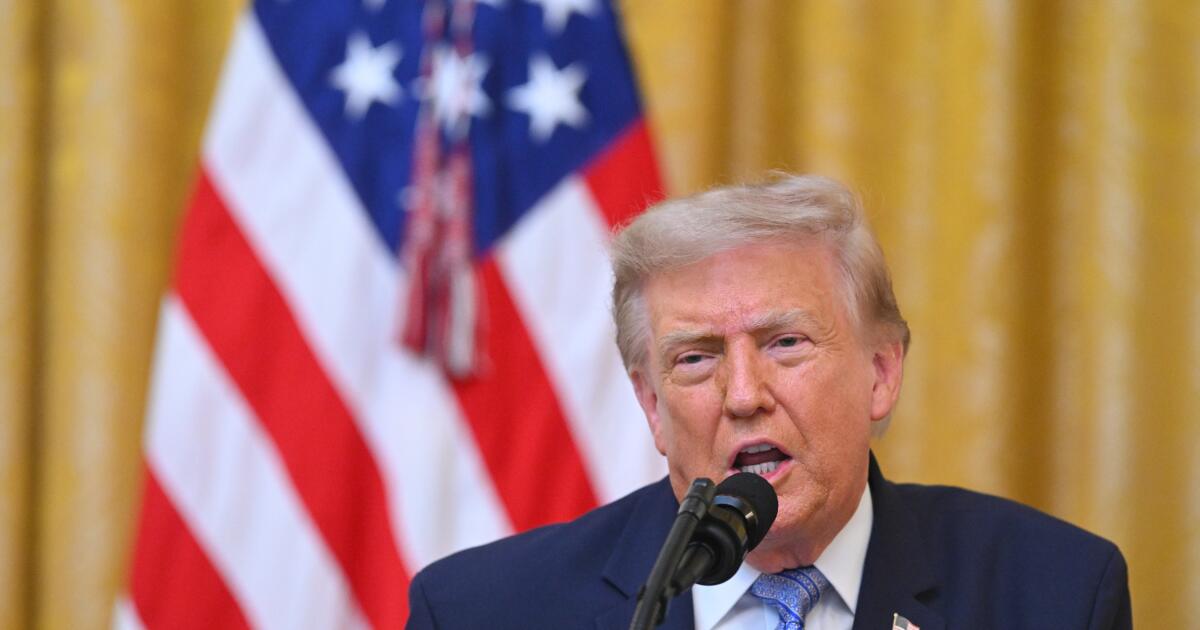
Former President Donald Trump has continued to amplify claims regarding vulnerabilities in the 2020 presidential election during recent public appearances, despite extensive judicial reviews and official audits confirming the integrity of the results. These assertions, which frequently focus on mail-in ballots and electronic voting systems, echo themes found in a series of documents released by federal agencies that have been subjected to heavy redaction. Legal experts and election officials emphasize that these claims have been consistently rejected by state and federal courts across the United States.
The persistence of these narratives in the public discourse arrives as election administrators nationwide prepare for upcoming cycles, focusing on cybersecurity protocols and the reinforcement of public trust in democratic institutions. While the former president maintains that the 2020 contest was compromised, the Cybersecurity and Infrastructure Security Agency (CISA) has officially described the 2020 election as the “most secure in American history,” citing the work of bipartisan election officials and rigorous testing of voting equipment. You can find the original statement regarding this assessment through the official CISA archive.
Judicial Scrutiny and the 2020 Election Record
In the aftermath of the 2020 election, more than 60 lawsuits challenging the results were filed in state and federal courts, including appeals that reached the Supreme Court of the United States. According to an analysis by the American Bar Association, these cases were dismissed or denied on their merits due to a lack of evidence. Judges appointed by presidents from both major political parties presided over these proceedings, consistently finding that the claims of widespread fraud lacked factual or legal standing.

Despite these rulings, the narrative regarding voting vulnerabilities remains a central component of the former president’s messaging. The release of redacted federal documents has been utilized by proponents of these claims to suggest that hidden information exists regarding election interference. However, transparency advocates and government transparency offices note that redactions in such documents are standard procedure to protect sensitive intelligence sources and methods, rather than evidence of suppressed findings regarding election outcomes.
Election Security and the Role of Federal Oversight
The integrity of the American electoral process is maintained through a decentralized system where states retain primary authority over the administration of voting. According to the U.S. Election Assistance Commission (EAC), states utilize a combination of paper trails, pre-election logic and accuracy testing, and post-election audits to verify that electronic machines have tabulated votes correctly. These procedures are designed to ensure that even if an individual machine were to experience a technical fault, it would not result in a systemic change to the overall outcome.
The reliance on these established protocols is a point of contention. Critics of the current system point to the potential for software vulnerabilities, while cybersecurity experts argue that the lack of connectivity between voting machines and the internet—a standard security measure—renders the risk of mass, coordinated hacking effectively impossible. The Federal Bureau of Investigation (FBI) continues to work with state and local partners to monitor for foreign and domestic threats, emphasizing that there is no evidence that any vote was altered or deleted by malicious actors during the 2020 cycle.
The Impact on Public Perception and Future Elections
The ongoing repetition of debunked claims has measurable effects on voter confidence. According to data from the Pew Research Center, partisan divides regarding the legitimacy of election results remain wide, complicating efforts by local officials to communicate effectively about security measures. Election clerks in various jurisdictions have reported an increase in harassment and administrative burdens as they attempt to reconcile public inquiries with the verified reality of election procedures.
As the next federal election cycle approaches, officials are shifting their focus toward proactive transparency. This includes inviting bipartisan observers to witness the tabulation process and providing public access to the post-election audit reports required by state law. These measures are intended to provide a verifiable record that can be scrutinized by any interested party, thereby counteracting the impact of unsubstantiated claims regarding the vulnerability of the democratic process.

The next major checkpoint for federal election oversight will be the release of updated guidance from the Election Assistance Commission, expected ahead of the next primary election season. Readers interested in tracking the official procedures for their specific region are encouraged to consult their state’s Secretary of State office website for verified information on voting machine certification and audit requirements.
We welcome your thoughts on how digital literacy and official transparency can better address these challenges in our comments section below.
Keep reading