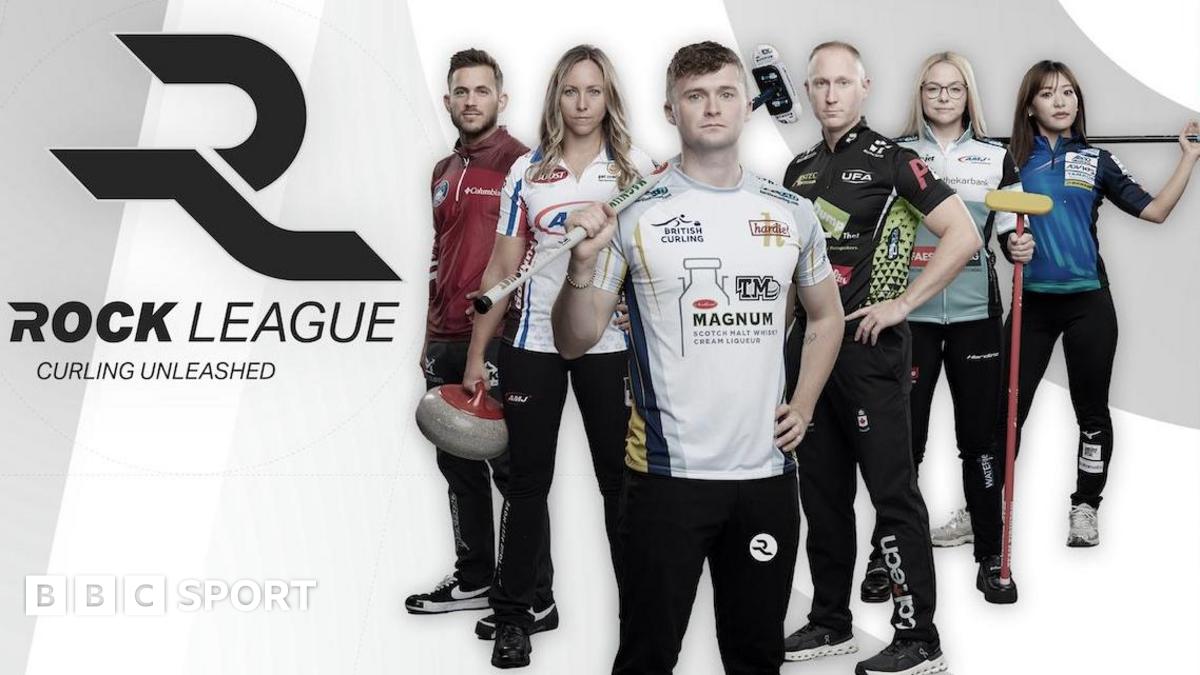
The Rock League, a new professional curling circuit featuring six international, mixed-gender franchises, officially launches its inaugural season in Toronto this Monday. The league introduces a modified, entertainment-focused format designed to accelerate match pace and increase fan engagement, marking a significant departure from the traditional structure governed by the World Curling Federation.
As the Sports Editor at World Today Journal, I have covered the evolution of ice sports for over a decade. The introduction of the Rock League represents a deliberate attempt to modernize a sport often criticized for its slow pace of play. By centralizing operations under a professional league banner, organizers are aiming to capture a broader commercial audience that typically overlooks the traditional tournament circuit.
A New Approach to Curling Competition
The primary shift introduced by the Rock League is the adoption of a condensed, high-intensity format. Unlike the standard 10-end games often seen in international championships, or even the common 8-end format, the league is utilizing a ruleset intended to keep the action constant. According to reporting from the Toronto Star, the goal is to streamline the broadcast experience, making the sport more accessible to casual viewers who may find the strategic pauses in traditional curling difficult to follow.
The league consists of six franchises, each operating under a mixed-gender team model. This structure aligns with the growing trend of mixed-doubles and mixed-team events in Olympic programming, which have seen a surge in popularity since their inclusion in the Winter Games. By emphasizing team-based, mixed-gender competition, the Rock League is positioning itself as a direct competitor for viewership during the shoulder months of the curling season.
Can Entertainment Drive Professional Growth?
The fundamental question facing the Rock League is whether an entertainment-led model can achieve long-term sustainability in a sport traditionally defined by amateurism and club-level governance. Historically, elite curling has relied on the Grand Slam of Curling series and national championships to provide the highest level of competition. These events are deeply rooted in the curling community and its existing infrastructure.
Industry analysts suggest that for the Rock League to succeed, it must balance its “entertainment-first” philosophy with the tactical integrity that hardcore curling fans demand. The league’s reliance on franchised teams—rather than the traditional skip-led teams that form organically—is a notable shift in how talent is managed. If the league can successfully integrate high-profile athletes into these new franchises, it may set a new precedent for how professional curling is packaged and sold to media partners.
Strategic Implications for Future Seasons
The launch in Toronto serves as the league’s testing ground. If the viewership metrics and attendance figures meet the organizers’ expectations, it is likely that future seasons will expand to other major curling hubs in Canada and potentially abroad. The World Curling Federation, which maintains the official rules of the sport, has not publicly mandated changes to accommodate these private leagues, meaning the Rock League operates as an independent entity outside of the Olympic qualification pathway.
For fans and stakeholders, the next major checkpoint will be the conclusion of the inaugural season’s opening events. The league is expected to provide data on player performance and broadcast reach, which will serve as the primary indicators of whether this format can compete with the established Grand Slam circuit. The shift toward a franchise model suggests that investors are looking for a more predictable, brandable product that can be easily licensed to international networks.
The Rock League is scheduled to begin its matches this Monday in Toronto, with further updates expected via official league channels regarding the season standings and playoff format. We will continue to monitor the league’s impact on the broader curling landscape as the season progresses. Share your thoughts on this new format in the comments below, or join the conversation on our social media platforms.
Keep reading
- Bethesda Confirms Fallout 5 Is Officially in Pre-Production
- Vamos implementar qualquer solução proposta pela CBF”, garante líder da operação entre Vasco e Lamacchia – ge
- NBA Summer League scouting report: How the top rookies already look stardom-bound (archyworldys.com)
- 2026 NBA Summer League: Rookies Who Prove Stardom-Bound (world-today-news.com)