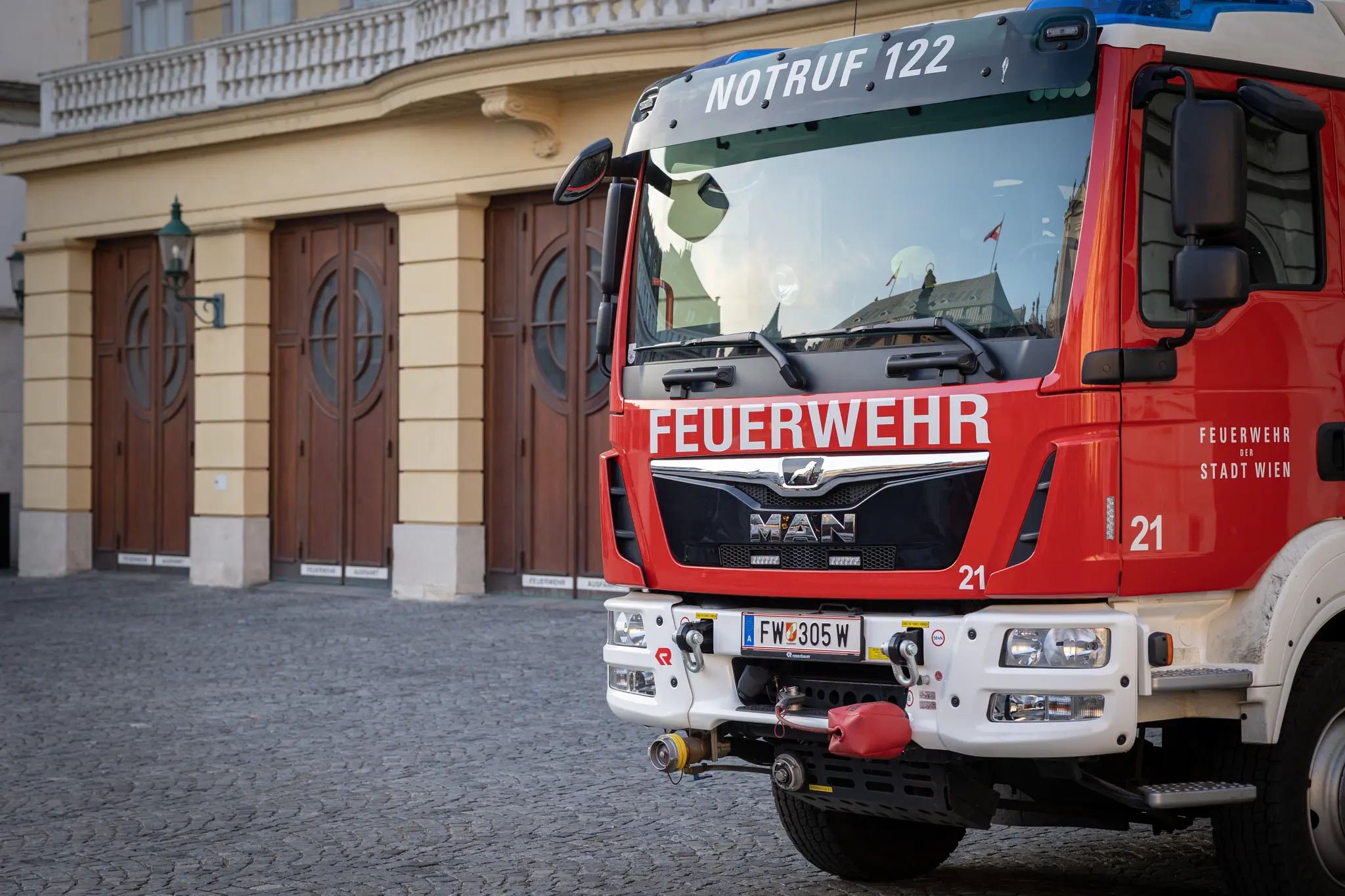
Severe thunderstorms swept through Vienna on Tuesday, triggering a massive emergency response as heavy rainfall and gusty winds caused widespread traffic disruptions and localized flooding across the Austrian capital. According to the Vienna Professional Fire Department (Berufsfeuerwehr Wien), emergency crews responded to dozens of distress calls throughout the evening as the storm system moved across the city, resulting in approximately 200 firefighters being deployed to manage the fallout.
The sudden intensity of the weather event, characterized by heavy downpours and lightning, forced authorities to prioritize calls involving flooded basements, water-damaged properties, and blocked roadways. The rapid mobilization of resources highlights the city’s operational readiness in response to increasing extreme weather volatility in Central Europe. While the cleanup efforts continued late into the night, officials confirmed that no major casualties were reported during the peak of the storm.
Emergency Response and Impact on Infrastructure
The Vienna fire department reported a significant surge in call volume as the storm intensified. Personnel focused on clearing storm drains and pumping out water from underground residential areas, a recurring issue during flash floods in the city’s older districts. The City of Vienna’s Department of Water Management notes that the urban drainage system is designed to handle high volumes of precipitation, but record-breaking intensities can occasionally overwhelm local infrastructure, leading to temporary surface-level flooding.
Beyond residential damage, the storm caused notable chaos for evening commuters. Public transit lines faced delays as fallen debris and localized flooding obstructed tracks and roadways. Drivers were cautioned to avoid low-lying underpasses, which often become impassable during such events. The ASFINAG (Autobahnen- und Schnellstraßen-Finanzierungs-Aktiengesellschaft), responsible for the motorway network surrounding the city, monitored traffic flow closely to prevent accidents during the reduced visibility caused by the heavy rain.
Understanding Vienna’s Weather Vulnerability
Meteorological experts often cite Vienna’s geographic position—nestled between the Alps and the Pannonian Basin—as a factor that can intensify convective weather patterns. When warm, humid air from the east meets cooler mountain air, the resulting atmospheric instability frequently leads to severe thunderstorms during the summer months. According to the GeoSphere Austria (the federal institute for meteorology and geophysics), these events are becoming more frequent, necessitating the rigorous deployment protocols seen during Tuesday’s storm.
The city’s response strategy relies on a centralized dispatch system that coordinates the fire department, municipal water services, and traffic authorities. By utilizing real-time data from radar systems, the city can preposition equipment in high-risk zones before a storm hits. This proactive approach is a cornerstone of Vienna’s disaster mitigation policy, aimed at minimizing property damage and ensuring the safety of residents during extreme weather incidents.
Safety Guidance and Official Updates
For residents affected by the recent storms, the city provides specific channels for reporting damage and accessing assistance. The fire department advises homeowners to document flood damage for insurance purposes and to contact municipal services only if there is an immediate threat to life or property. Non-urgent issues, such as minor leaks or debris removal on private property, should be addressed through private contractors or building management once the immediate emergency has passed.
Residents are encouraged to monitor the official City of Vienna website for ongoing weather alerts and safety guidelines. The fire department remains on high alert as the meteorological conditions continue to shift. Further updates regarding the total number of interventions and specific neighborhood impacts are expected to be released by the authorities in the coming days as assessments conclude.
If you have witnessed significant damage in your area or have information regarding transit disruptions, please share your experiences in the comments section below. Staying informed through official channels remains the best way to ensure safety during future weather events.