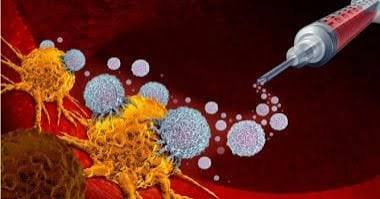
Researchers have reported promising preliminary data from a phase 1 clinical trial of an mRNA-based personalized vaccine designed to treat pancreatic ductal adenocarcinoma, the most common and aggressive form of pancreatic cancer. The study, published in Nature, demonstrates that the vaccine can successfully trigger an immune response in patients who have undergone surgery to remove their tumors, potentially reducing the risk of cancer recurrence.
Pancreatic cancer remains a significant clinical challenge due to its high mortality rate and tendency to return even after successful surgical resection. This new approach, developed through a collaboration between Memorial Sloan Kettering Cancer Center and BioNTech, aims to change that trajectory by training the patient's own immune system to recognize and attack residual cancer cells.
Understanding Personalized mRNA Cancer Vaccines
The vaccine functions by utilizing messenger RNA (mRNA) technology, similar to the platform used in some COVID-19 vaccines. In this specific application, doctors sequence the DNA and RNA from a patient’s tumor after it has been surgically removed. By identifying unique mutations—known as neoantigens—present in the cancer cells but absent in healthy tissue, researchers create a custom-made vaccine for each individual.
Once injected, the vaccine instructs the patient’s cells to produce these specific neoantigens. The immune system identifies these proteins as foreign threats, prompting the activation of T cells, which are specialized white blood cells capable of hunting and destroying cells that carry those specific markers. As noted by the Memorial Sloan Kettering Cancer Center, this “personalized” nature is critical because every patient’s tumor possesses a unique genetic signature, making a “one-size-fits-all” vaccine ineffective.
Clinical Trial Results and Patient Outcomes
In the phase 1 trial, 16 patients received the personalized vaccine following surgery and standard chemotherapy. Results indicated that 50% of the participants developed a robust T-cell response against their specific tumor neoantigens. Those patients who showed this immune response experienced a significantly longer recurrence-free survival compared to those who did not.
The study, which was supported by data published in the journal Nature, highlights that the vaccine was generally well-tolerated by participants, with no severe adverse events reported. While these findings are described as “promising” by the research team, they emphasize that the study was small and intended primarily to assess safety and immune activation rather than to definitively prove long-term survival benefits. Larger, randomized phase 2 and phase 3 clinical trials are required to confirm these early observations and determine the vaccine’s efficacy across a broader patient population.
Next Steps in Pancreatic Cancer Research
The medical community is now focusing on expanding these trials to understand how the vaccine performs in combination with other emerging therapies, such as immune checkpoint inhibitors. The goal is to create a multi-pronged strategy that prevents the cancer from evading the immune system’s detection.
Patients interested in learning more about clinical trials for pancreatic cancer can find verified information through the U.S. National Library of Medicine’s ClinicalTrials.gov database, which provides comprehensive lists of ongoing research studies worldwide. Researchers continue to monitor the participants from the initial study, with further data expected as the long-term follow-up period progresses. As the field of personalized medicine advances, this study represents a shift toward more targeted, biologically driven treatments for one of the most difficult-to-treat malignancies in oncology.
Have questions about the latest developments in cancer immunotherapy or want to share your thoughts on the future of personalized medicine? Join the conversation in the comments section below.
Keep reading