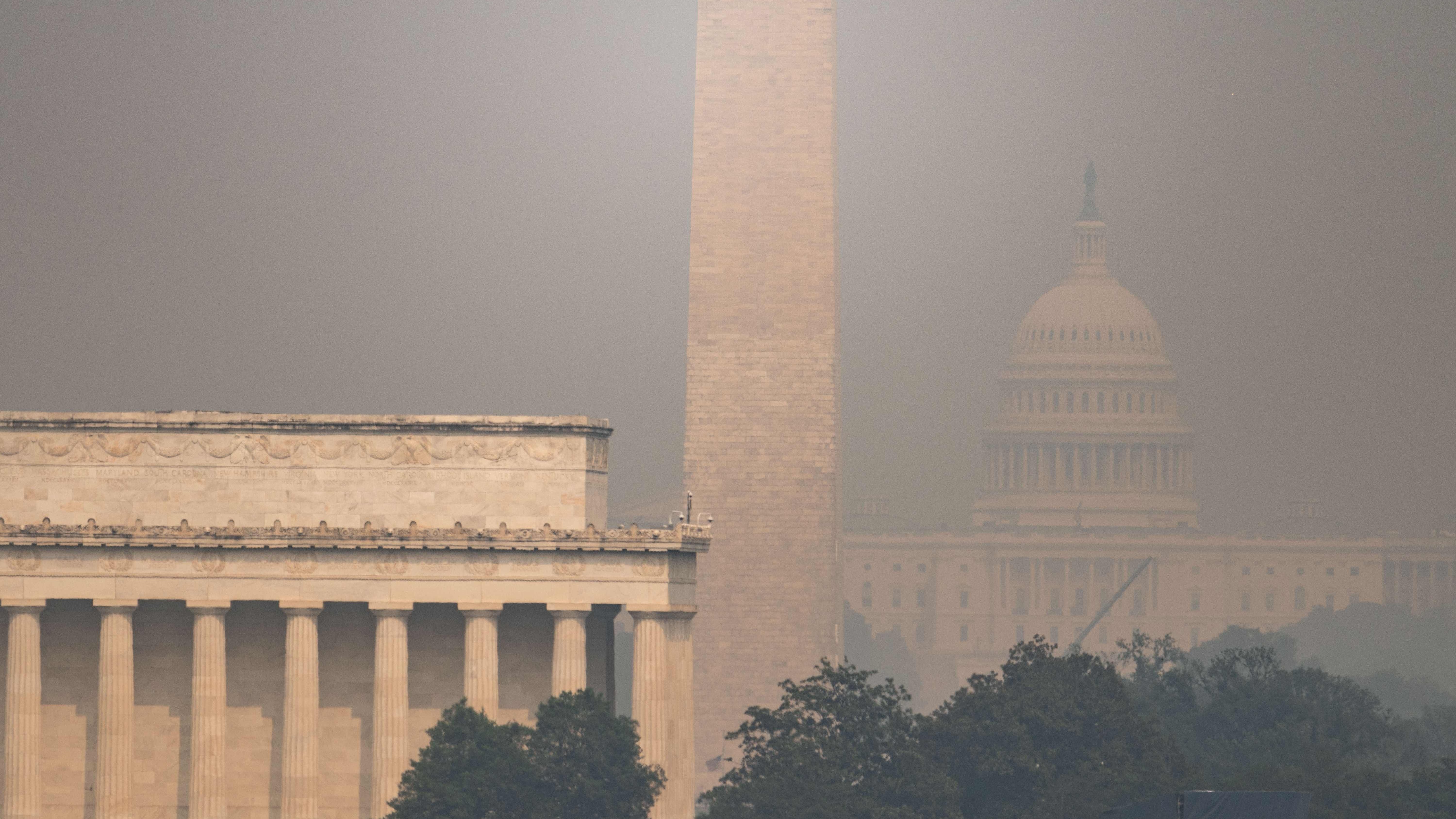
President-elect Donald Trump has signaled a significant shift in U.S. trade policy by threatening to impose new tariffs on Canadian goods, citing the impact of wildfire smoke crossing the border as a primary grievance. This move, announced via social media, marks an escalation in trade tensions between the United States and its northern neighbor, raising questions about the future of North American economic integration and environmental cooperation.
The threat follows a broader pattern of protectionist rhetoric directed at key trading partners, including recent announcements regarding imports from Brazil and potential trade restrictions concerning Spain. These policy shifts, framed by the incoming administration as a means to protect domestic interests, are being closely monitored by international trade analysts and government officials in Ottawa and beyond.
Trade Threats and the Wildfire Smoke Controversy
The core of the dispute involves the environmental impact of transboundary wildfire smoke, which has historically affected air quality across the Northern United States. According to statements posted on the Truth Social platform, the incoming administration has linked the imposition of tariffs to the environmental management of forests in Canada. This unconventional application of trade policy—using tariffs as leverage for environmental grievances—represents a departure from traditional bilateral trade negotiations, which typically focus on tariffs, quotas, and market access for commercial goods.
Canada, the largest trading partner for many U.S. states, has historically relied on the United States-Mexico-Canada Agreement (USMCA) to govern trade relations. The USMCA, which entered into force on July 1, 2020, provides a legal framework for resolving disputes, though it does not explicitly account for the use of tariffs as a response to environmental phenomena such as smoke drift. Trade experts note that the application of unilateral tariffs in this context could challenge the established mechanisms of the agreement, as documented by the Office of the United States Trade Representative.
Global Trade Shifts: Brazil and Spain
The focus on Canada occurs alongside broader trade maneuvers involving other nations. Reports have emerged indicating that the U.S. is considering or has announced plans for tariffs on various imports from Brazil, a major agricultural and industrial exporter. While specific details regarding the scope of these duties remain under review by the transition team, the move is consistent with the administration’s stated goal of addressing perceived trade imbalances.
Similarly, reports have circulated regarding trade restrictions involving Spain. These actions, often communicated through rapid social media channels, create a volatile environment for global supply chains. According to data tracked by the World Trade Organization, the introduction of non-traditional trade barriers can create significant uncertainty for multinational corporations, as businesses struggle to anticipate shifts in duty rates and import eligibility.
Economic Consequences and Stakeholder Impact
The announcement has prompted immediate concern among industry groups that rely on cross-border supply chains. In the automotive, energy, and timber sectors, where U.S. and Canadian operations are deeply integrated, the threat of new tariffs could lead to increased costs for manufacturers and consumers alike. The Canadian Chamber of Commerce and other business advocacy groups emphasize that trade stability is essential for the economic health of both nations.
Beyond the immediate financial impact, the move raises questions about the administration’s strategy for addressing environmental challenges. Critics argue that using trade policy to address climate-related issues—such as the frequency and intensity of wildfires—may be ineffective and could lead to retaliatory measures from trading partners, potentially triggering a broader trade conflict that disrupts global markets.
Next Steps in Trade Policy
The situation remains fluid as stakeholders await formal policy filings and potential executive orders following the upcoming presidential inauguration. The next major checkpoint will likely occur when the transition team outlines its official trade agenda, which will clarify whether the threats issued on social media will translate into binding executive actions or serve as a negotiating tactic in future USMCA reviews.
For businesses and observers, monitoring the Federal Register will be critical, as any official changes to tariff schedules must be published there to take effect. As this situation develops, the international community continues to assess the extent to which these new economic policies will reshape existing global trade norms. We invite our readers to share their perspectives on these developments in the comments section below, as we continue to track the implications for the global economy.
Keep reading