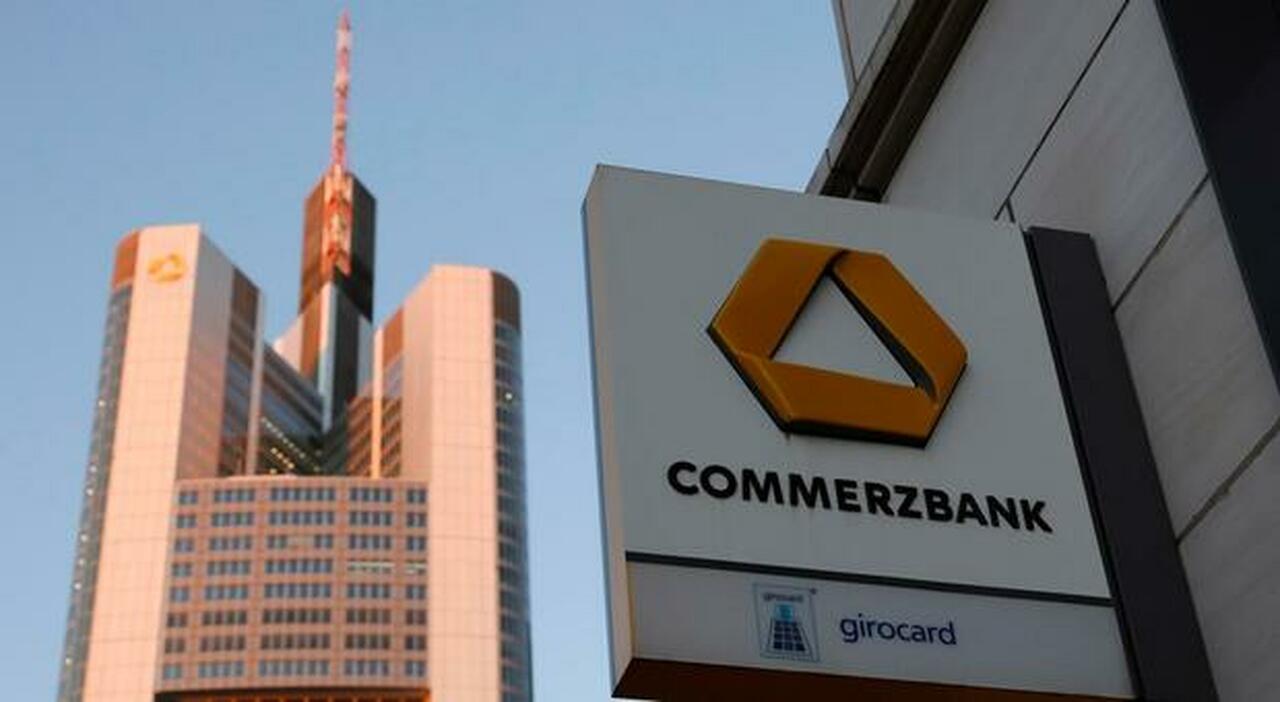
The German government, currently holding a stake of approximately 12% in Commerzbank, has signaled a shift in its stance regarding the potential acquisition of the lender by the Italian banking group UniCredit. Following UniCredit’s aggressive accumulation of shares and its successful execution of financial instruments to increase its influence, officials in Berlin have indicated a willingness to enter formal discussions concerning the bank’s future, its headquarters, and its ongoing role in providing credit to small and medium-sized enterprises (SMEs).
For months, the relationship between UniCredit and the German state has been marked by tension. UniCredit, led by CEO Andrea Orcel, surprised European markets in September 2024 by announcing it had acquired a 9% stake in Commerzbank, a move that prompted a sharp rebuke from the German government at the time. The state, which had been in the process of offloading its shares in the bank, halted further sales to prevent a potential takeover. According to disclosures from the Commerzbank investor relations office, the German government remains the largest shareholder, maintaining its position while the strategic review of the bank’s ownership continues.
Berlin’s Evolving Position on Banking Consolidation
The German government’s willingness to engage in dialogue represents a tactical pivot from its initial resistance. Finance Minister Jörg Kukies and other economic policymakers have faced pressure to balance the need for a strong, independent German banking champion with the realities of the European single market, which encourages cross-border mergers. The German government’s stake, currently confirmed at 12% of the total share capital, grants it significant leverage in any potential negotiation regarding a merger or acquisition.
Analysts note that the primary concern for Berlin remains the preservation of Commerzbank’s capacity to serve the “Mittelstand”—the backbone of the German economy. Any deal involving UniCredit would likely require ironclad guarantees that credit lines for these businesses remain uninterrupted and that the bank’s operational headquarters, as well as its strategic decision-making, remain anchored in Frankfurt. UniCredit has publicly stated that it aims to create value for all shareholders, but it has yet to offer specific, binding commitments regarding the long-term structure of Commerzbank’s German operations.
UniCredit’s Expansionist Strategy
UniCredit’s interest in Commerzbank is widely viewed as a cornerstone of Andrea Orcel’s broader vision for European banking consolidation. By combining the two institutions, UniCredit could create one of the largest banking entities in the Eurozone, significantly increasing its market share in Germany, the continent’s largest economy. As reported by the Financial Times, UniCredit has already secured regulatory approval to potentially increase its stake to 29.9%, positioning itself for a full takeover bid should the political environment in Berlin become more accommodating.
The Italian banking group has argued that a merger would lead to greater efficiency and enhanced profitability. However, the proposal faces scrutiny from German labor unions and political factions, who fear that a takeover could lead to significant job cuts and the loss of institutional expertise. The dialogue now opening between the German government and the Italian institution is expected to focus on these social and economic safeguards, which are essential for any deal to gain political traction in the Bundestag.
Economic Implications and Market Reaction
The potential for a UniCredit-Commerzbank merger has broader implications for the European Central Bank (ECB) and its oversight of the banking sector. The ECB has generally encouraged cross-border mergers, arguing that they help break the “doom loop” between national governments and their domestic banks. Nevertheless, the political sensitivity of the Commerzbank case is high, as it involves a national icon of the German financial sector.
Market participants are closely watching the next steps. Commerzbank’s stock price has shown volatility in response to reports of potential negotiations. Investors are looking for clarity on whether the German government intends to remain a long-term shareholder or if it is preparing an exit strategy that could facilitate a full acquisition. According to the European Central Bank’s latest supervisory updates, any change in control of a significant credit institution requires a rigorous assessment of the acquirer’s financial health and strategic intent, a process that could take several months once an official bid is submitted.
The Path Ahead for Stakeholders
As the dialogue between the German government and UniCredit begins, the focus shifts to the upcoming quarterly meetings of the bank’s supervisory board and potential briefings for the German finance committee. The next confirmed checkpoint for stakeholders will be the release of further regulatory filings, which must disclose any changes to stakeholdings or formal takeover intentions. These documents, filed with the relevant financial authorities, will provide the first concrete evidence of whether the current “dialogue” is trending toward a friendly merger or a continued standoff.
For now, the German government maintains its 12% stake, and the market awaits a clear signal from Berlin regarding its long-term commitment to the bank’s current management team under CEO Bettina Orlopp. Observers are encouraged to monitor official press releases from the German Finance Ministry and UniCredit’s investor relations portal for the most accurate, real-time updates on these high-stakes negotiations.
If you have insights on the European banking sector or wish to discuss the potential impact of this merger on the Eurozone economy, please share your thoughts in the comments section below.
Keep reading