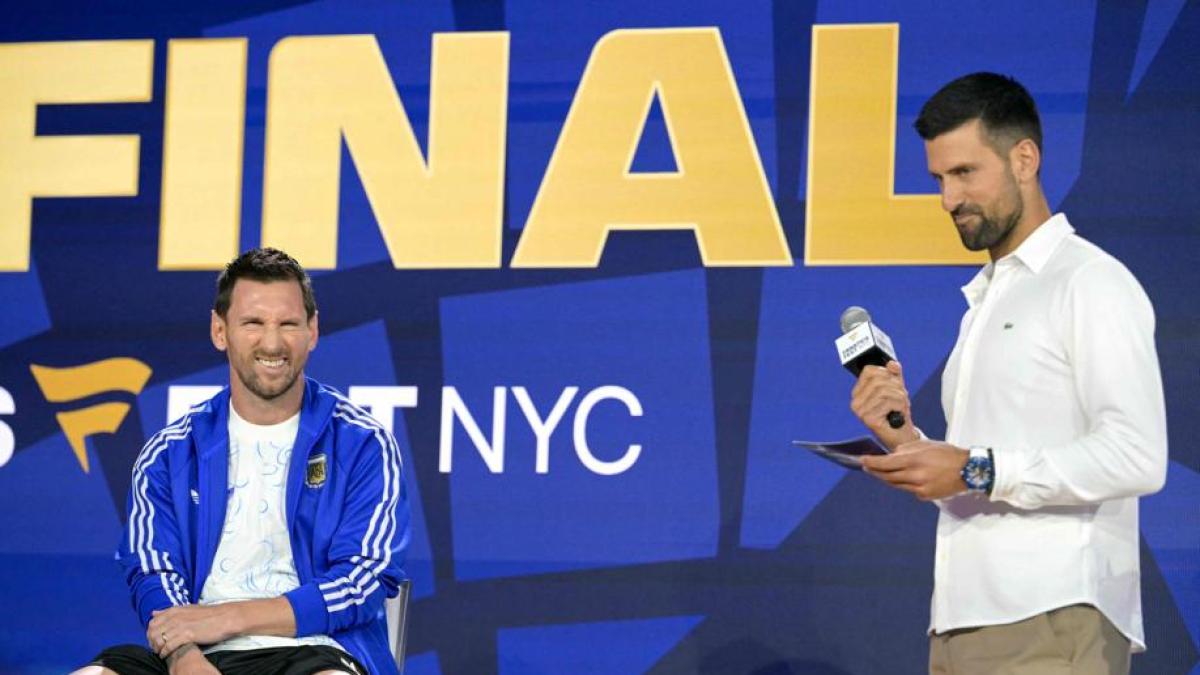
As the 2026 FIFA World Cup approaches, the intersection of high-stakes sports management and commercial spectacle has sparked significant debate regarding access and pricing. FIFA has faced criticism for the introduction of fees for media access to final press conferences, while reports suggest that travel logistics and ticket pricing for the tournament’s concluding matches are creating an environment accessible primarily to an affluent demographic.
Recent reports indicate that FIFA has implemented a charge of $80 for media representatives to attend final press conferences.
Commercializing the Media Landscape
Alongside the $80 media fee, reports have highlighted that fans or attendees may be asked to pay up to $150 for photo opportunities with high-profile players or legends present at the event.
The Logistics of the High-End Final
Beyond the media center, the infrastructure surrounding the final matches at the 2026 World Cup has raised concerns about exclusivity. With the tournament hosted across North America, the demand for premium services—including private jet charters and luxury ground transportation—has pushed prices to record levels. According to industry analysis, airports in host cities are already seeing “sold out” status for private aviation slots, as high-net-worth individuals seek to secure rapid transit to the stadium.
The cost of attendance for the average fan is also under scrutiny. Reports from various consumer outlets suggest that secondary market ticket prices for the final could reach into the millions depending on the demand and seating category, while even basic concessions inside the stadium are expected to see significant price hikes. This environment has led to descriptions of the event as a “SuperRich” spectacle, where the distance between the average spectator and the corporate VIP is wider than in previous tournament cycles.
Stakes for the 2026 Tournament
As the tournament moves toward its final planning stages, the tension between maximizing commercial revenue and maintaining the sport’s accessibility remains a central point of contention.
As preparations continue, the global sports media community is expected to monitor these developments closely. We welcome your thoughts on how these commercial shifts might impact the future of global sports journalism and fan participation in the comments below.
Keep reading