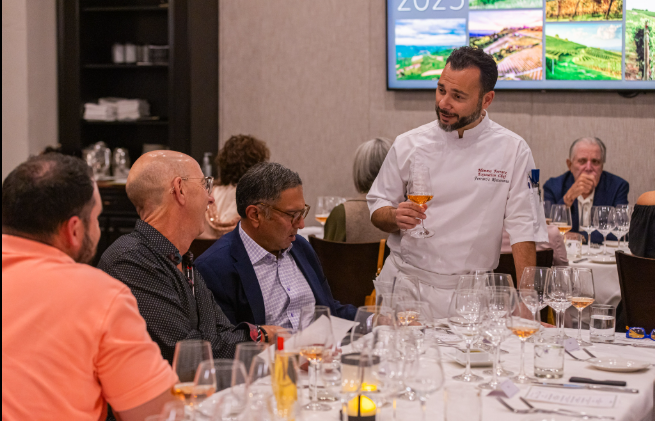
On July 18, 2026, the Tuscan wine estate Avignonesi will host a specialized educational event focused on the intersection of viticulture and sensory analysis. Located in Montepulciano, Italy, the estate is recognized for its commitment to biodynamic farming practices and its historical production of Vino Nobile di Montepulciano, according to the official company profile. This session, titled “Taste and Learn,” invites participants to examine the technical aspects of wine production alongside the environmental philosophy that dictates the estate’s land management.
The event falls within a broader season of high-profile culinary and beverage programming across global hospitality markets. While international attention often shifts toward major metropolitan hubs, niche educational events like those at Avignonesi cater to an increasing demand for “agritourism,” where visitors seek direct engagement with the source of their food and drink. This trend mirrors the growth seen in other sectors, such as the specialized dining experiences currently flourishing in Las Vegas, where venues like Gyu+ have gained recognition for integrating international culinary techniques—such as Japanese sando preparation—into fine dining menus, as reported by the Las Vegas Weekly.
Biodynamic Methods in Tuscan Viticulture
At the core of the Avignonesi operation is a rigorous adherence to biodynamic agriculture, a method that treats the vineyard as a self-sustaining ecosystem. According to the Demeter Association, which certifies biodynamic farms, this approach requires the exclusion of synthetic fertilizers and pesticides, instead utilizing compost preparations and astronomical planting calendars to foster soil vitality. Avignonesi transitioned its 175 hectares of vineyards to these methods over the past decade to improve biodiversity and vine resilience, a move documented in their corporate sustainability reports.

For attendees at the July 18 session, the “Taste and Learn” format is designed to bridge the gap between agricultural theory and the final product in the glass. By examining the soil composition of the Montepulciano region—often characterized by Pliocene-era marine deposits—participants can observe how terroir influences the structural tannins and acidity levels of the estate’s Sangiovese-based wines. This hands-on analysis provides a practical framework for understanding why biodynamic wines often exhibit distinct flavor profiles compared to those produced through conventional industrial viticulture.
The Evolving Landscape of Culinary Education
The rise of interactive food and beverage events reflects a shift in consumer behavior. Modern diners and drinkers are no longer satisfied with passive consumption; they prioritize transparency and provenance. This shift is evident in the current success of specialized eateries that emphasize craft and technique. In the United States, for instance, the celebration of July as National Hot Dog Month has evolved from simple street-food appreciation into a complex exploration of regional styles and high-end ingredient sourcing, according to Eater Las Vegas.
Whether it is the precision required to craft a high-quality Japanese sando or the patience needed to age a Vin Santo to its peak maturity, the common thread is an emphasis on the “how” and “why” of production. For the Avignonesi event, the focus on “food and loathing”—a nod to the complex emotional and historical relationship between humans and their food systems—serves as a thematic anchor. It challenges participants to consider the environmental cost of production and the value of artisanal labor in an era of mass-market convenience.
What to Expect for the Summer Season
The event on July 18 is part of a larger, ongoing series of workshops held throughout the summer months. These sessions are designed to accommodate both industry professionals looking for technical insights and enthusiasts interested in the mechanics of winemaking. According to the Visit Tuscany official portal, Montepulciano remains a primary destination for such educational tourism due to the density of historic cellars and the regional emphasis on traditional winemaking heritage.
Prospective attendees should note that the estate requires advance booking for all sensory analysis workshops. Because the events are capped at small group sizes to ensure a high level of interaction with the winemakers and agronomists, availability is often limited during the peak summer harvest preparation season. Updates regarding future sessions and booking portals can be monitored through the Avignonesi visitor center website.

As the international wine market continues to emphasize sustainable labeling and environmental accountability, events like these serve as a litmus test for the industry. The ability to articulate the benefits of biodynamic farming to an informed audience is becoming a key metric of success for historic estates. Further updates regarding the outcomes of the July 18 session will be available through the estate’s quarterly newsletter. Readers are encouraged to share their experiences with regional wine education in the comments section below.
Related reading