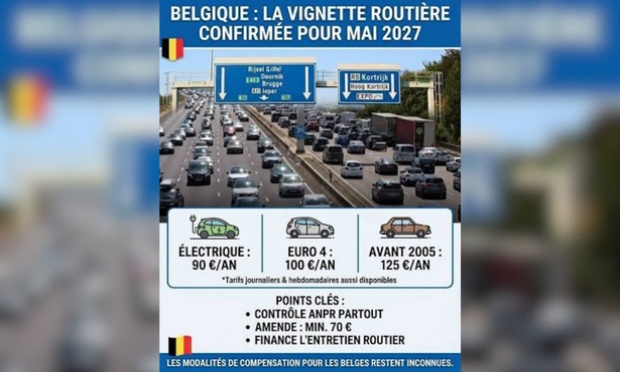
Public opposition to the introduction of a road pricing system in Belgium—often referred to in local discourse as a “vignette routière”—continues to manifest through digital advocacy and grassroots petitions. While no federal legislation currently mandates a passenger vehicle toll for all drivers in Belgium, the topic remains a recurring point of debate among motorists and political stakeholders concerned with mobility costs and infrastructure funding.
The circulation of online petitions, including those hosted on platforms like MyPetition.org, reflects a broader skepticism among Belgian road users regarding new fiscal measures. These digital campaigns typically argue that additional road charges impose an unfair financial burden on commuters, particularly those residing in areas with limited access to reliable public transportation. According to documentation from the Belgian Federation of the Automotive and Cycle Industry (FEBIAC), the automotive sector frequently emphasizes the importance of balancing environmental goals with the economic realities of individual mobility.
Understanding the Belgian Road Toll Debate
The concept of a “vignette” in Belgium is often confused with the existing “Viapass” system. As of 2024, the kilometer-based toll system in Belgium applies exclusively to heavy goods vehicles weighing more than 3.5 tonnes. The Viapass framework, which replaced the old Eurovignette, requires trucks to be equipped with an On-Board Unit (OBU) to calculate charges based on distance traveled, road type, and emissions standards. There is currently no federal mandate requiring light passenger vehicles to pay a similar toll for general road use.
Calls for a broader toll system periodically emerge from regional governments seeking to manage traffic congestion, particularly around Brussels and Antwerp. However, these proposals face significant political pushback. Critics of such measures, often represented by automotive associations and citizen groups, argue that road taxes should remain integrated into fuel duties and vehicle registration taxes rather than evolving into a new, separate administrative layer.
The Role of Digital Advocacy
Online petitions serve as a barometer for public sentiment regarding transport policy. By sharing these links via messaging platforms and social media, citizens attempt to formalize their opposition to potential administrative changes before they reach the legislative floor. While these platforms provide a space for public discourse, they do not inherently trigger changes in law. The effectiveness of such advocacy depends on the ability of organizers to translate digital signatures into engagement with members of the Belgian Parliament or regional ministers of mobility.

For those interested in the official status of mobility policies, the Federal Public Service Mobility and Transport remains the primary authority for verified information regarding road regulations. Official government portals provide the most accurate updates on legislative developments, tax structures, and infrastructure projects, distinguishing policy reality from speculative proposals that often fuel public concern on social media.
Monitoring Future Mobility Legislation
Legislative discussions regarding road pricing in Belgium are frequently tied to the “Smart Move” proposals or similar congestion-charging models discussed at the regional level. As of late 2024, there is no confirmed timeline for the implementation of a universal passenger vehicle vignette. Any significant change to the current vehicle taxation model would require extensive parliamentary debate and coordination between the federal government and the regions of Flanders, Wallonia, and Brussels-Capital.

Motorists and stakeholders are encouraged to monitor the official announcements from the Belgian federal government portal for any updates regarding changes to road usage charges. Public consultations are typically held when major fiscal reforms are under consideration, offering a formal channel for citizen input that operates independently of third-party petition websites. Readers who wish to stay informed on these developments should rely on verified government records rather than anecdotal social media sharing to ensure they have the most accurate information regarding their rights and obligations as road users.
Worth a look