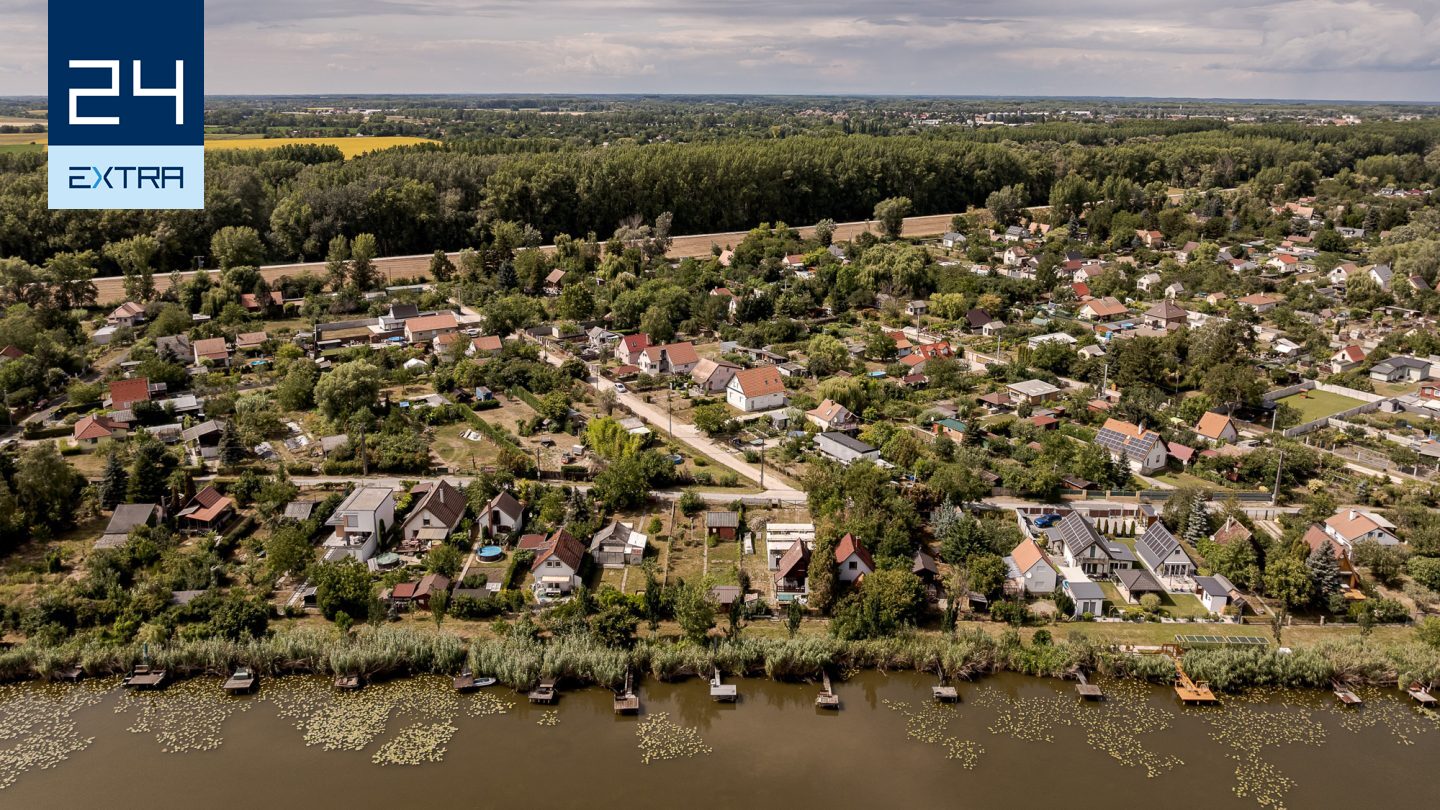
Residents in Győr, Hungary, are facing a significant public health and financial burden after discovering that road-surfacing material laid in their neighborhood contains asbestos. Local households have been informed that they are responsible for the costs and logistics of removing the hazardous waste, despite the lack of clarity regarding how the material—which is strictly regulated due to its carcinogenic properties—was permitted to be used in a residential street.
Health Risks and Regulatory Standards for Asbestos
Asbestos is a group of naturally occurring fibrous minerals that were historically used in construction for their heat resistance and durability. However, it is classified as a human carcinogen. According to the World Health Organization (WHO), all types of asbestos cause lung cancer, mesothelioma, and asbestosis. When asbestos-containing materials are disturbed, they release microscopic fibers into the air, which can be inhaled, leading to long-term health complications.
In the European Union, the use of asbestos has been banned since 2005 under Directive 1999/77/EC, which prohibits the placing on the market and use of asbestos fibers. The presence of such material in a public or residential thoroughfare necessitates specialized remediation. Professional removal typically requires containment measures to prevent fiber migration, followed by disposal at a facility authorized to handle hazardous waste.
The Situation in Győr: Financial Liability
The core of the conflict in Győr centers on the unexpected financial liability placed on property owners. While local authorities often manage road maintenance, the residents in the affected area have reported being told they must bear the cost of the cleanup. This has sparked concerns regarding accountability and the lack of oversight in the procurement of construction materials used for public and private road surfacing.
Hazardous waste management in Hungary is strictly governed by national legislation, including the Act CLXXXV of 2012 on Waste. Under these regulations, the responsibility for the remediation of contaminated sites often depends on the ownership status of the land and the history of how the waste was deposited. Residents are now seeking clarity on whether municipal or regional environmental agencies will intervene to provide support or oversight for the removal process.
Next Steps for Affected Residents
As of the most recent reports, the situation remains unresolved, with residents coordinating to determine their legal standing and potential avenues for assistance. Expert guidance in such cases typically involves:
- Environmental Assessment: Engaging certified environmental inspectors to quantify the extent of the contamination and the specific type of asbestos present.
- Official Consultation: Submitting formal inquiries to the regional government office responsible for environmental protection and waste management.
- Documentation: Preserving all communications with municipal authorities regarding the origin of the material to establish a timeline of events.
The next confirmed stage in this incident involves the potential submission of a request for an official investigation by the relevant environmental authority to determine the origin of the contaminated road material. Residents are encouraged to monitor updates from the Győr municipal office and local environmental health boards for any announcements regarding state-funded remediation efforts.
Have you been affected by similar environmental issues in your area? Share your experiences or updates in the comments below.