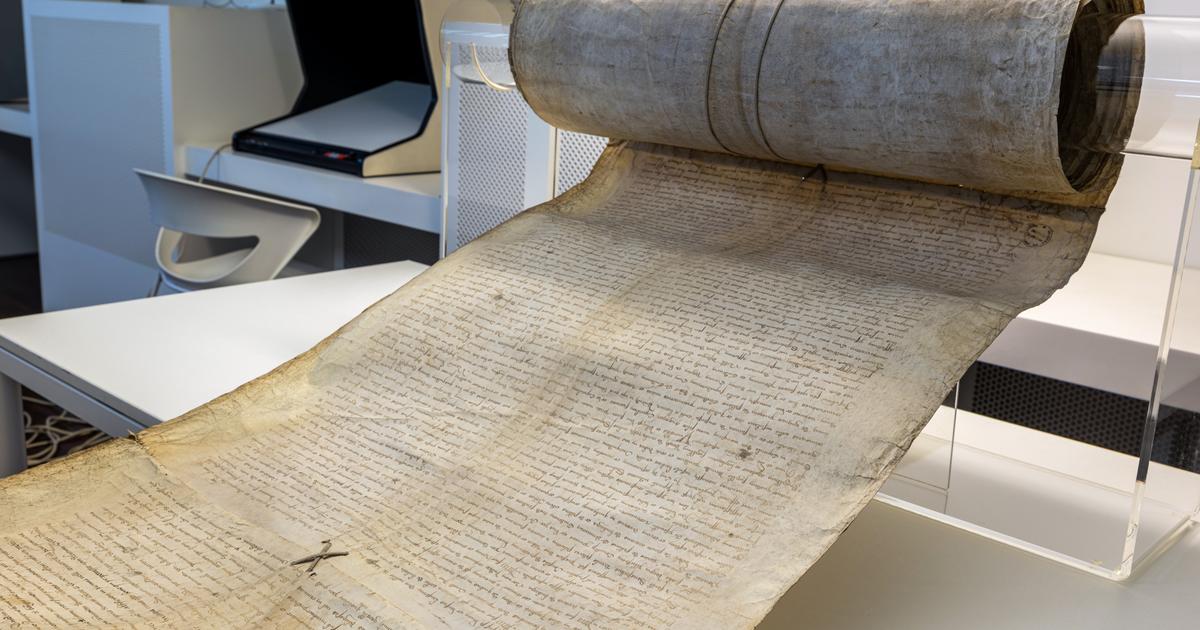
A 34-meter-long medieval scroll, known as the Rotulus of the City of Lyon, has undergone a significant digital and physical preservation effort by the Archives municipales de Lyon. This extraordinary artifact, which dates back to the 14th century, serves as a primary administrative record detailing the fiscal and social history of Lyon during the Middle Ages. According to the Archives municipales de Lyon, the document provides an unparalleled look into the governance, taxation, and urban development of the city between 1374 and 1375.
The scroll, which measures exactly 34.3 meters in length, is composed of several membranes of parchment sewn together. It functions as a “rotulus,” a format common in the medieval period for keeping accounts and legal records that needed to be consulted sequentially. The document is not merely a static relic; it is a vital source for historians studying the transition of power in Lyon and the city’s economic relationship with the French crown and local ecclesiastical authorities.
Preserving Medieval Administrative History
The preservation work, which gained public visibility in late 2024, involves both the physical stabilization of the parchment and the creation of high-resolution digital surrogates. The French Ministry of Culture emphasizes that such initiatives are essential for protecting the integrity of national heritage documents that are frequently consulted by researchers. Because the parchment is highly sensitive to humidity and light, the archives have implemented strict storage protocols to ensure the longevity of the fibers.
The digitization process allows scholars across the globe to examine the handwriting—a specialized form of gothic cursive—without subjecting the original manuscript to the stresses of physical handling. By mapping the 34-meter expanse, archivists have created a searchable database that allows users to trace specific tax levies and civic expenditures. This effort is part of a broader mandate by the City of Lyon’s archive department to make its medieval collections more accessible to the public and the academic community.
What the Rotulus Reveals About Lyon
The content of the scroll offers a granular view of 14th-century life. It records the daily operations of the consulat, the body that governed Lyon before it was fully integrated into the French kingdom. The document details the collection of the “taille,” a significant tax, and the expenditures required for the city’s fortifications, bridge maintenance, and diplomatic missions.
Historians use these records to reconstruct the demographic and economic pressures faced by the city’s inhabitants. For instance, the scroll documents the costs associated with maintaining the city’s gates, which were critical for security and trade regulation. By cross-referencing these figures with other extant records, researchers can quantify the inflationary trends and economic shifts that defined this period in the Rhône-Alpes region.
Accessing the Collection
The Archives municipales de Lyon, located in the Perrache district, serves as the primary repository for these documents. The institution regularly updates its digital portal with findings from ongoing cataloging projects. For researchers interested in the methodology of medieval archival science, the institution provides resources on how these scrolls were constructed, including the types of animal skins used and the specific ink formulations employed by medieval scribes.
The next phase of the project involves the thematic indexing of the scroll’s contents, which is expected to be completed by early 2025. Scholars and members of the public interested in viewing the digital records can monitor the official website of the Archives municipales de Lyon for updates regarding the availability of the full-length high-definition scans. The archives continue to welcome inquiries regarding the use of these materials for genealogical and historical research.
We invite our readers to share their thoughts on the importance of digitizing local historical records in the comments section below. Stay tuned to our business and history section for further updates on the restoration of regional archives.
Worth a look