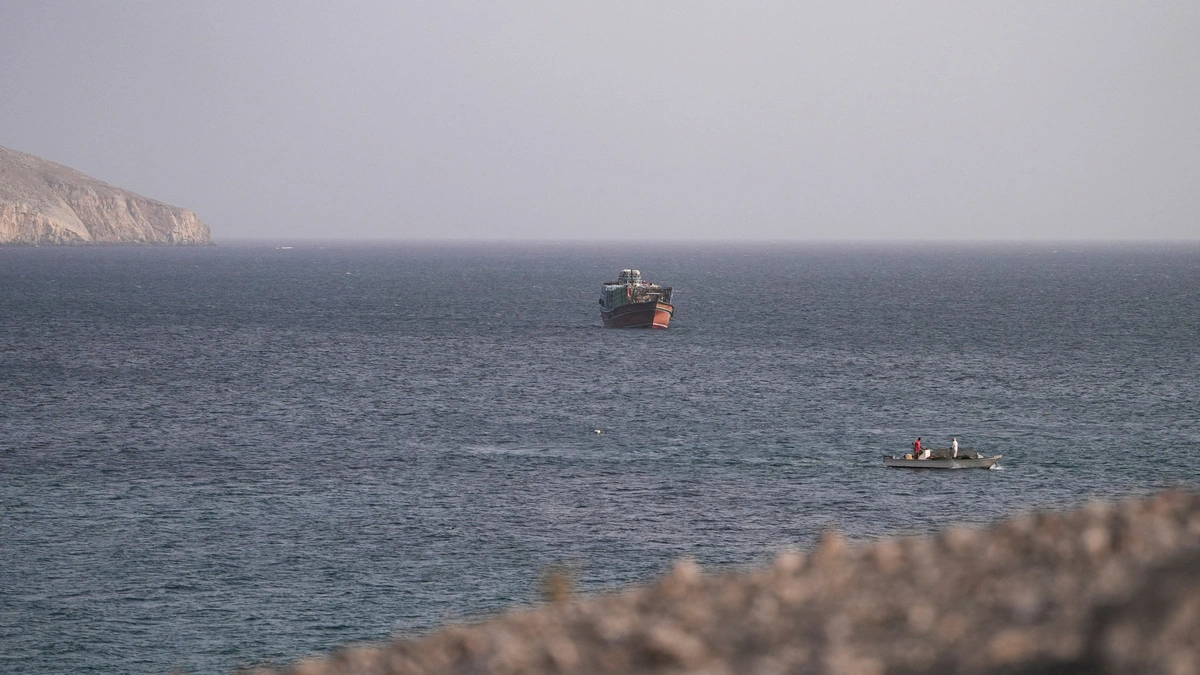
The Strait of Hormuz, a critical maritime chokepoint for global energy supplies, has become a focal point of heightened geopolitical tension, raising significant concerns regarding the stability of international oil markets. Approximately 21 million barrels of oil—nearly one-fifth of the world’s daily petroleum consumption—pass through this narrow passage between Iran and Oman, according to data from the U.S. Energy Information Administration (EIA). Any sustained disruption in this region poses a direct risk to global supply chains, inflationary pressure, and energy security for both Asian and European economies.
The strategic importance of the Strait is anchored in its role as the primary outlet for crude oil exports from major Gulf producers, including Saudi Arabia, Iraq, the United Arab Emirates, and Kuwait. Recent escalations in regional maritime security, characterized by increased naval activity and the detention of tankers, have prompted international observers to monitor the area for potential blockades or transit restrictions. As noted by the International Energy Agency (IEA), the volatility of the region remains one of the most significant external threats to the global economic recovery, as transit delays or insurance premium hikes directly translate into higher costs for end-users.
Economic Consequences of Maritime Instability
The global economy relies heavily on the unimpeded flow of energy commodities through the Strait of Hormuz. When maritime tensions rise, the immediate market reaction is typically a surge in Brent and WTI crude oil benchmarks. According to the International Monetary Fund (IMF), sustained energy price shocks can dampen global growth projections by increasing the input costs for manufacturing and transportation sectors worldwide. The impact is particularly acute for import-dependent nations in East Asia, which source the majority of their crude imports from Gulf states via this maritime corridor.

Beyond the immediate price of oil, the threat of disruption influences global insurance markets. Maritime insurers often adjust risk premiums for vessels navigating the Persian Gulf based on the proximity of military conflict or the presence of hostile naval assets. The Lloyd’s Market Association notes that such escalations force shipping companies to either reroute vessels—which adds time and fuel costs—or accept significantly higher operating expenses. For the global supply chain, these costs are eventually passed on to the consumer, contributing to broader inflationary trends.
Geopolitical Context and Regional Security
The Strait of Hormuz is roughly 21 miles wide at its narrowest point, yet the shipping lanes for inbound and outbound tankers are only two miles wide in either direction. This geographic constraint makes the region exceptionally sensitive to military posturing. The United Nations Security Council has historically emphasized the necessity of maintaining freedom of navigation in the area, citing international law under the United Nations Convention on the Law of the Sea (UNCLOS). Despite these frameworks, the presence of various naval forces, including those from regional powers and international coalitions, underscores the fragility of the status quo.
Recent years have seen a series of incidents involving the seizure of commercial vessels, leading to increased calls for diplomatic de-escalation. The U.S. Department of State maintains that the protection of these waters is essential for international commerce and has consistently advocated for multinational maritime security initiatives to deter unlawful seizures. These initiatives aim to provide a visible presence to reassure commercial shipping lines that the transit corridors remain open and protected from unilateral interference.
Monitoring Future Developments
Market analysts and policymakers continue to watch for signals of further escalation, particularly concerning the potential for renewed economic sanctions or military exercises that could impact maritime traffic. The Organization of the Petroleum Exporting Countries (OPEC) regularly monitors these geopolitical developments in its monthly oil market reports, assessing whether supply-side logistics are being hindered by regional instability. For investors and energy stakeholders, the next major checkpoint will be the upcoming quarterly reviews by the IEA and OPEC, which will provide updated data on transit volumes and inventory levels.

As the international community navigates these challenges, the emphasis remains on diplomatic channels to ensure that the Strait of Hormuz remains a transit point for global trade rather than a theater for geopolitical conflict. Readers are encouraged to monitor official updates from the U.S. Energy Information Administration for the latest data on petroleum transit and supply chain impacts. We welcome your perspective on how these energy market developments are affecting your region; please share your comments and analysis below.
Worth a look
- Lawyer Warns on Democratic Party’s Plan to Abolish Prosecutors’ Supplementary Investigation Rights
- Orange County Demands $4 Million From GKN Aerospace Over Garden Grove Chemical Leak
- Iran War Updates: U.S. launches 7th straight day of strikes as traffic freezes up in Strait of Hormuz (archyworldys.com)