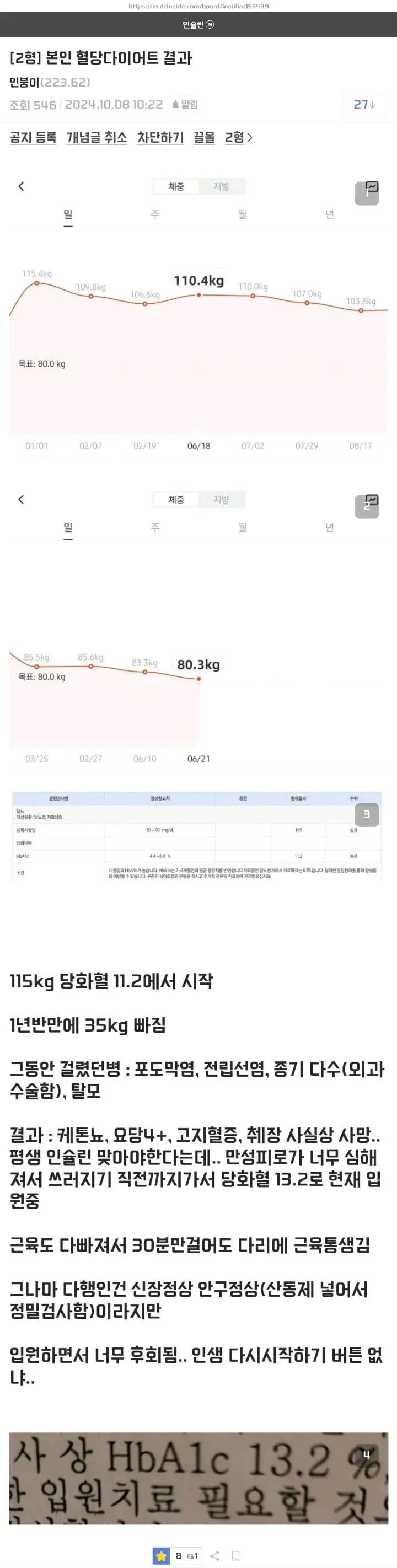
Extreme dietary restrictions, particularly those marketed as “diabetes diets” by non-medical influencers, pose significant health risks and can lead to dangerous physiological consequences. Individuals attempting to manage blood glucose levels through unsustainable, restrictive eating patterns—often shared on social media or community forums—frequently overlook the clinical necessity of balanced nutrition, which is essential for patients living with diabetes mellitus. Medical professionals emphasize that effective diabetes management requires personalized guidance from registered dietitians or endocrinologists, rather than anecdotal advice found in online spaces.
As a physician, I have observed that the primary danger in “viral” or extreme diet trends is the rapid, unmonitored fluctuation of blood sugar levels. When a person drastically cuts carbohydrates or eliminates entire food groups without clinical supervision, they risk severe hypoglycemia (low blood sugar), metabolic imbalances, and potential damage to vital organs. According to the American Diabetes Association, diabetes management is not about elimination, but about understanding how different carbohydrates affect blood glucose levels and balancing them with physical activity and, if necessary, prescribed medication.
The Physiological Risks of Unsupervised Dietary Intervention
The allure of “quick-fix” dieting often stems from a desire for rapid weight loss or immediate improvements in HbA1c levels. However, internal medicine experts note that the body requires a consistent supply of glucose for brain function and cellular energy. When a patient adopts a restrictive diet without adjusting their insulin or oral hypoglycemic medication, they enter a state of high risk for acute complications. The National Institute of Diabetes and Digestive and Kidney Diseases (NIDDK) clarifies that there is no “one-size-fits-all” diet for diabetes, and any major change in intake must be coordinated with a healthcare team to prevent dangerous drops in blood sugar.
Furthermore, extreme diets often lead to nutritional deficiencies. For example, severe restriction of whole grains or fruits—often demonized in fad diets—can result in a lack of fiber, which is critical for digestive health and blood sugar regulation. A study published in the journal Diabetes Care indicates that sustainable dietary patterns, such as the Mediterranean or DASH diets, are significantly more effective for long-term glycemic control than highly restrictive, short-term fads.
Identifying Misinformation in Online Health Communities
Online forums often house anecdotes that circulate as “life hacks,” but these narratives lack the clinical evidence required for safe medical practice. It is common to see individuals boasting about rapid weight loss or “curing” their condition through extreme measures. However, anecdotal success does not equate to medical safety. The World Health Organization (WHO) reports that diabetes is a chronic condition that requires ongoing monitoring, and misleading information can delay necessary treatment, leading to long-term complications like neuropathy, retinopathy, and cardiovascular disease.
When evaluating health advice online, readers should look for the following red flags:
- Promises of “instant” results or “cures.”
- Recommendations to eliminate entire food groups without a clear medical rationale.
- Lack of reference to clinical guidelines or peer-reviewed research.
- Claims that contradict the advice of the patient’s personal physician.
Evidence-Based Steps for Safe Diabetes Management
For those seeking to manage their diabetes effectively, the first step is always to establish a baseline with a primary care provider or an endocrinologist. Modern diabetes care focuses on “medical nutrition therapy,” a structured approach that assesses an individual’s specific health needs, lifestyle, and medication requirements. According to the Centers for Disease Control and Prevention (CDC), creating a sustainable eating plan involves focusing on nutrient-dense foods, portion control, and regular blood glucose monitoring.
If you or a loved one is currently considering a significant change to your diet, consider these professional recommendations:
- Consult a Registered Dietitian (RD): Specifically, look for a Certified Diabetes Care and Education Specialist (CDCES) who can provide evidence-based guidance.
- Monitor Consistently: Use a continuous glucose monitor (CGM) or finger-stick testing to understand how specific foods affect your body.
- Prioritize Sustainability: Choose a diet that you can maintain for years, not weeks.
- Communicate with Your Doctor: Never change your medication regimen based on dietary changes without consulting your prescribing physician.
The path to health is rarely found in extreme, restrictive measures. By relying on established clinical guidance and professional support, patients can achieve stable glycemic control while maintaining their overall well-being. If you have questions about your specific dietary needs, please consult your physician or visit the official resources provided by national health organizations to ensure you are receiving accurate, personalized care. We encourage our readers to share their experiences with professional nutrition counseling in the comments section below to foster a supportive and evidence-based community.
Related reading