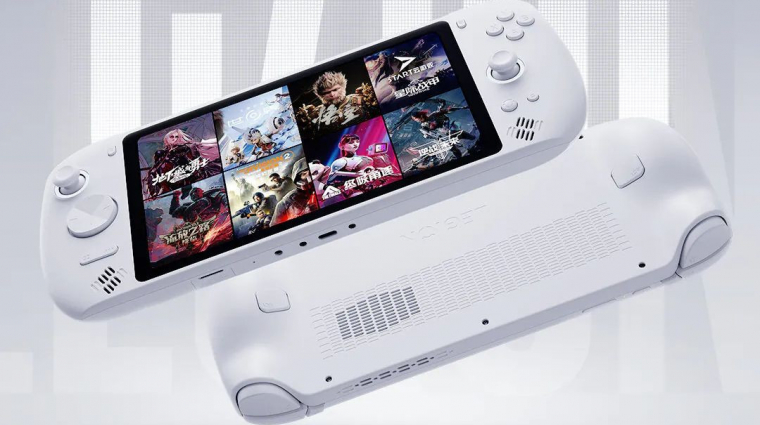
Lenovo is expanding its footprint in the handheld gaming market with the Legion Go S, a new iteration of its portable hardware designed to address specific user feedback regarding display performance and control reliability. Recent technical specifications indicate the device will feature a high-refresh-rate 120 Hz display and upgraded, drift-resistant Hall Effect joysticks, aiming to compete more aggressively with established portable PCs like the Steam Deck and the ASUS ROG Ally.
As the handheld PC category matures, manufacturers are shifting focus from raw processing power to refinement in user experience. The inclusion of Hall Effect sensors is a significant design choice, as these components use magnets rather than physical contact points to register movement, which significantly reduces the mechanical wear that leads to “stick drift” over time. According to industry reports from Lenovo’s official product updates, the company is prioritizing these durability upgrades to ensure the longevity of the device’s input mechanisms, a common pain point for gamers using traditional potentiometer-based sticks.
Display Upgrades and Visual Performance
The transition to a 120 Hz panel marks a clear step toward smoother motion handling, which is essential for modern high-frame-rate titles. While the original Legion Go utilized a high-resolution display, the move to a 120 Hz refresh rate optimizes the device for fluid gameplay, particularly in competitive shooters and fast-paced action games. This hardware adjustment aligns with broader market trends where mobile gaming devices are increasingly expected to match the performance standards of dedicated gaming monitors.

According to reporting by The Verge, the device is expected to maintain a compact form factor while balancing thermal efficiency with these higher-performance components. The combination of a high-refresh-rate screen and reliable input hardware suggests that Lenovo is positioning the Legion Go S as a direct answer to consumer demand for a “premium-feel” handheld that minimizes the need for frequent repairs or controller replacements.
Addressing Controller Drift and Hardware Longevity
Controller drift has been a persistent issue across the handheld gaming industry, affecting everything from Nintendo Switch Joy-Cons to early-generation Windows-based handhelds. By integrating Hall Effect joysticks, Lenovo is adopting a technology that provides a more consistent input signal over the life of the product. These sensors are immune to the degradation caused by the friction found in standard joystick modules, which is a critical selling point for users investing in a portable device intended for long-term use.

Technical benchmarks shared by PCWorld highlight that beyond the improved joysticks, the device aims to refine the overall ergonomics of the detachable controller design. This modularity, a signature feature of the Legion line, allows players to use the controllers in various configurations, including a “FPS mode” that turns the right controller into a vertical mouse-like peripheral.
Market Context and Competitive Landscape
The handheld gaming PC market is currently defined by a rapid cycle of hardware iterations. Manufacturers are under pressure to balance battery life, screen quality, and weight. Lenovo’s decision to refresh its lineup with the Legion Go S reflects a strategy of iterative improvement rather than a complete overhaul. By focusing on the “quality of life” aspects of the device—specifically display responsiveness and controller reliability—the company is targeting power users who are already invested in the Windows-based handheld ecosystem.

The competition remains intense, with Valve’s SteamOS continuing to set the standard for software integration, while ASUS and other manufacturers focus on aggressive pricing and hardware specs. The Legion Go S will likely continue to run on Windows 11, providing users with broad compatibility for game libraries from Steam, Xbox Game Pass, and Epic Games Store, as noted in IGN’s coverage of the product leaks.
As of late 2024, official pricing and regional release dates for the Legion Go S have yet to be confirmed by Lenovo. Prospective buyers should monitor the official Lenovo Newsroom for upcoming product announcements and verified release schedules. We welcome your thoughts on how these hardware improvements might influence your next handheld purchase in the comments section below.