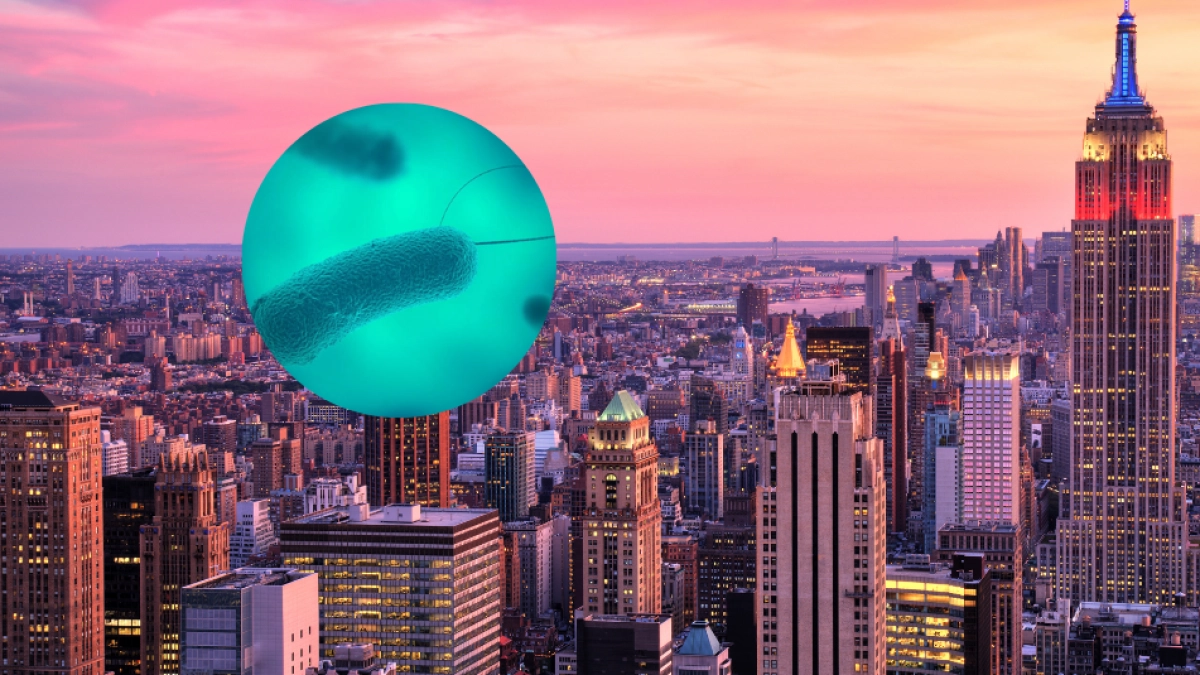
Public health officials in New York City are currently monitoring cases of Legionnaires’ disease following the identification of the bacteria in cooling towers at the American Museum of Natural History. According to the New York City Department of Health and Mental Hygiene, the environmental testing was initiated as part of a routine investigation, leading to the discovery of Legionella, the pathogen responsible for the respiratory illness. While the museum remains open to the public, health authorities have mandated the immediate disinfection of the affected water systems to mitigate potential exposure risks.
Legionnaires’ disease is a severe form of pneumonia caused by the inhalation of aerosolized water droplets contaminated with Legionella bacteria. It is not transmitted from person to person. The bacteria typically thrive in human-made water systems, such as cooling towers, hot tubs, and large building plumbing systems, especially when water temperatures are not adequately regulated. For most people, exposure does not lead to illness, but individuals over the age of 50, current or former smokers, and those with underlying health conditions or weakened immune systems face a higher risk of developing complications.
Understanding the Risk and Response
The detection of Legionella in cooling towers is a common occurrence in urban environments, particularly during warmer months when these systems operate at higher capacities. The New York City Department of Health and Mental Hygiene maintains a comprehensive surveillance program that requires building owners to register, inspect, and disinfect cooling towers regularly to prevent bacterial colonization. When positive samples are identified, the department coordinates with facility management to ensure that remediation efforts, such as super-chlorination, are performed effectively.
According to the Centers for Disease Control and Prevention (CDC), symptoms of Legionnaires’ disease typically emerge two to 14 days after exposure. Early signs often include cough, shortness of breath, fever, muscle aches, and headaches. Because the clinical presentation of the disease is similar to other forms of pneumonia, diagnostic testing—typically involving a urine antigen test or a respiratory culture—is essential for accurate identification. Patients diagnosed with the condition are generally treated with a course of antibiotics, and prompt medical intervention is critical to preventing severe outcomes, such as respiratory failure.
Public Health Oversight in New York City
The city’s response to the museum findings reflects broader regulatory efforts implemented after significant outbreaks in previous years. Following the 2015 outbreak in the South Bronx, which was linked to cooling towers, New York City enacted local laws requiring the mandatory registration and maintenance of all cooling towers within the five boroughs. Building owners are legally obligated to conduct quarterly inspections and maintain detailed records, which are subject to audit by city health inspectors.
The American Museum of Natural History has stated that it is cooperating fully with the Department of Health. In similar cases, facility operators are required to provide documentation confirming that the cooling towers have been cleaned and that subsequent samples have tested negative for the presence of Legionella. These measures are designed to ensure that the environment remains safe for both employees and the millions of visitors who frequent the institution annually.
Next Steps for Monitoring
Public health officials continue to monitor hospital admission data for clusters of pneumonia cases in the vicinity of the museum as part of their standard epidemiological surveillance. There has been no indication from the health department that the general public is at risk beyond the standard precautions associated with large-scale water system maintenance in urban areas. Residents or visitors who experience respiratory symptoms are encouraged to consult a healthcare provider and mention any potential exposure to environmental water sources.
For ongoing updates regarding facility safety and public health advisories, the New York City Department of Health and Mental Hygiene provides updated reports on their official website. We will continue to track this situation as the department releases further information regarding the completion of the remediation process. Please feel free to share your questions or experiences in the comments section below.