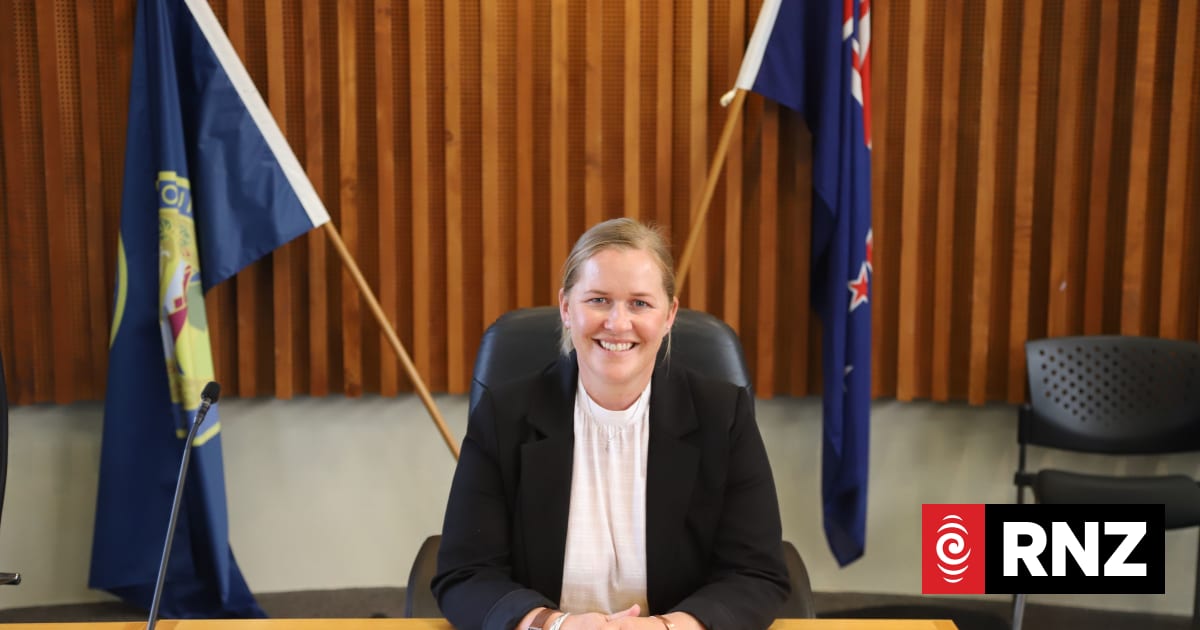
The long-standing fiscal legacy of the Christchurch earthquake recovery continues to influence local government policy in the Canterbury region, specifically regarding current discussions on the potential amalgamation of the Selwyn District Council. Financial obligations stemming from the 2011 seismic events remain a central factor for officials evaluating structural changes to regional governance, with Selwyn Mayor Lydia Gliddon noting that the Council is evaluating all available options while emphasizing that any final decision rests with the district’s ratepayers.
Amalgamation discussions, which periodically resurface in New Zealand’s local government landscape, often hinge on the balance between administrative efficiency and the preservation of local identity. In the context of Selwyn, the financial health of neighboring authorities—many still managing debt profiles tied to the post-earthquake reconstruction of infrastructure—serves as a critical benchmark for residents and elected officials alike. According to the Selwyn District Council’s official reporting, the district has experienced significant population growth, necessitating careful long-term planning that accounts for both regional integration pressures and the maintenance of independent service delivery standards.
The Fiscal Impact of Christchurch Recovery on Regional Debt
The economic landscape of the Canterbury region is inextricably linked to the recovery efforts that followed the February 2011 earthquake. The New Zealand Treasury has documented the massive capital expenditure required to restore essential services, roads, and water infrastructure across the Greater Christchurch area. For surrounding districts like Selwyn, the challenge is twofold: managing the debt-to-revenue ratios that reflect regional cooperation while ensuring that the district’s own ratepayers are not disproportionately burdened by liabilities incurred in neighboring jurisdictions.
Financial transparency remains a priority for the Selwyn District Council as it navigates these discussions. Mayor Gliddon’s recent comments reflect a strategy of public consultation, ensuring that any move toward closer integration or amalgamation is vetted through the lens of fiscal responsibility. Data from the Department of Internal Affairs indicates that local authorities in New Zealand must adhere to strict borrowing limits under the Local Government Act 2002, which provides a legal framework for how councils manage debt and infrastructure investment over the long term.
Governance Options and Ratepayer Engagement
The prospect of amalgamation is rarely a purely administrative decision; it involves significant political and social considerations. Selwyn, which has transitioned from a largely rural area to one of New Zealand’s fastest-growing districts, faces unique pressures regarding infrastructure expansion. The latest subnational population estimates from Stats NZ show that Selwyn’s rapid development necessitates robust council capacity, which proponents of amalgamation argue could be better achieved through shared services or a unified regional authority.
However, the skepticism regarding amalgamation often centers on the potential loss of local autonomy. Mayor Gliddon has maintained that the Council remains open-minded but cautious, prioritizing the preferences of those who fund the local government—the ratepayers. This approach aligns with the Local Government New Zealand (LGNZ) guidelines, which emphasize that structural changes should only proceed where there is clear community mandate and demonstrable benefit to service delivery. The Council’s current stance is to provide the public with the facts regarding the financial implications of such a shift, allowing the democratic process to dictate the outcome.
What Happens Next in Selwyn Governance
As discussions continue, the next phase for the Selwyn District Council involves ongoing review of its Long Term Plan (LTP). This document, which outlines the council’s financial strategy and project priorities for the next decade, serves as the primary vehicle for public feedback. Residents can track official updates and participate in upcoming consultation periods via the Council’s official “Have Your Say” portal. No formal proposal for amalgamation is currently before the Council, and any future movement would require a comprehensive public consultation process mandated by the Local Government Act.
The Council is expected to provide further updates on its regional collaboration efforts during its scheduled public meetings. Stakeholders and members of the public are encouraged to review the meeting minutes and financial reports available on the Council website to stay informed about the evolving debate. We invite our readers to share their views on local governance and the balance of regional versus district-level administration in the comments section below.
Keep reading