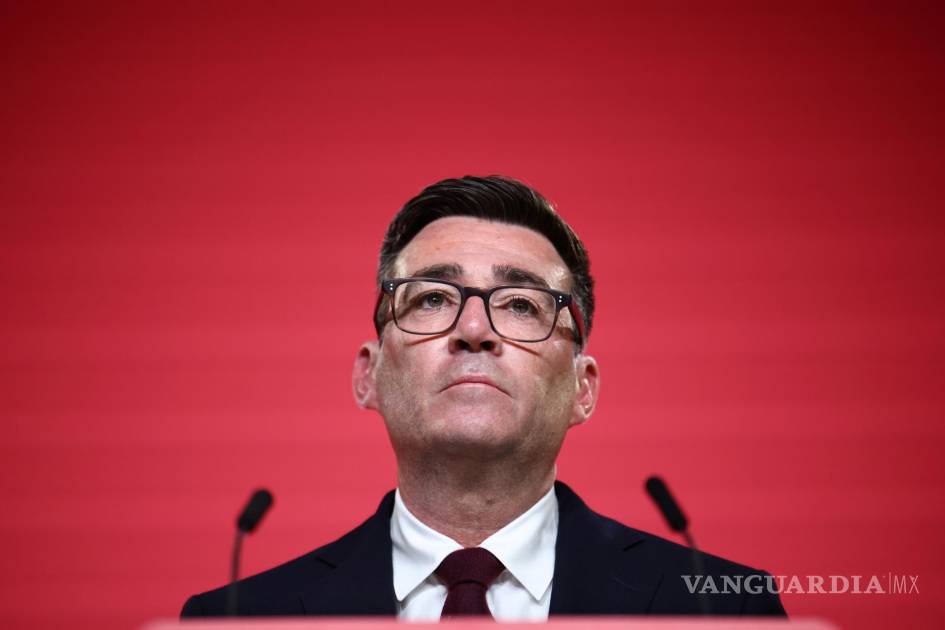
Speculation regarding the future of British Prime Minister Keir Starmer’s leadership has intensified following recent polling data and internal party discourse, leading to renewed focus on Andy Burnham, the Mayor of Greater Manchester, as a potential successor. While Starmer remains the leader of the Labour Party and Prime Minister, political analysts are increasingly evaluating the party’s long-term trajectory amid mid-term challenges.
The discussion surrounding a transition of power within the Labour Party is currently speculative, as there is no formal vacancy or evidence of an imminent resignation. However, the political profile of Andy Burnham—who has served as the Mayor of Greater Manchester since 2017—remains a focal point for those observing shifts in Labour’s internal dynamics. According to official records from the Greater Manchester Combined Authority, Burnham has successfully pursued a policy agenda centered on regional devolution and public transport reform, distinguishing his governance from central party operations in London.
The Evolution of Andy Burnham’s Political Stance
Andy Burnham’s political career has been defined by a transition from central government roles to a regional executive position. Burnham served as a Member of Parliament for Leigh from 2001 to 2017, holding several cabinet-level positions under previous Labour administrations, including Secretary of State for Health and Secretary of State for Culture, Media and Sport, as documented in his official parliamentary record. His decision to leave Westminster to pursue the role of Mayor marked a significant shift in his career trajectory.
By shifting his focus to the north of England, Burnham adopted a platform that prioritizes regional autonomy, often challenging Whitehall’s centralized decision-making. This approach has garnered significant attention from political commentators who view his “Northern” identity as a potential alternative to the current London-centric leadership model. His advocacy for the “Greater Manchester Model” of healthcare integration and transport regulation has been a consistent theme of his tenure, as detailed in reports from the Institute for Government.
Labour Party Dynamics and Leadership Speculation
The focus on Burnham as a potential future leader often stems from the contrast between his regional popularity and the electoral challenges currently faced by the national Labour government. Recent public opinion data, such as that provided by YouGov, indicates that the popularity of the incumbent government is subject to fluctuations based on economic conditions and public policy outcomes. Political observers often cite Burnham’s ability to win consecutive mayoral terms in a diverse metropolitan area as evidence of a broad electoral appeal.
Despite this, there is no official confirmation of any leadership challenge. Keir Starmer continues to lead the party, and any discussion of his “sudden fall” remains within the realm of political commentary rather than established fact. The Labour Party’s internal processes for selecting a leader are governed by specific party rules, which typically require a vacancy or a formal vote of no confidence to trigger a contest. As of late 2024, no such processes have been initiated.
The Impact of Regional Governance on National Policy
Burnham’s influence is frequently analyzed through the lens of the “levelling up” agenda—a term used by various governments to describe efforts to reduce regional economic disparities. His emphasis on local control over bus services, housing, and integrated health systems provides a tangible case study for national policy debates. As noted by the Local Government Association, the success or failure of such regional models often informs the legislative priorities of national political parties.
For observers of British politics, the central question remains whether a regional executive can effectively pivot back to a national leadership role after years of operating outside the Westminster bubble. Burnham has consistently stated that his focus remains on his duties in Greater Manchester, though his public interventions on national issues continue to keep his profile elevated within the national conversation.
The next major checkpoint for the Labour government will involve the upcoming budget cycles and local election performances, which are expected to serve as indicators of the administration’s broader stability. Readers interested in the official status of the Prime Minister’s agenda can monitor the official 10 Downing Street website for updates on government policy and cabinet statements. Feel free to share your thoughts on the future of UK leadership in the comments section below.
Related reading