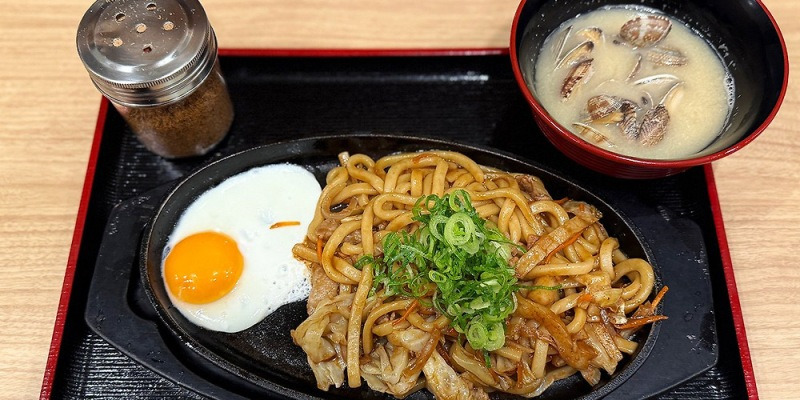
Sukesan Udon, a restaurant chain originating from Kitakyushu, Fukuoka, has evolved from a local favorite into a significant presence in Japan’s competitive noodle market. Known for its signature “meat and burdock tempura udon,” the brand has expanded its footprint into the Kanto region, shifting consumer perception from a niche regional specialty shop to a versatile dining destination. According to recent industry reporting, this geographic expansion has allowed the chain to showcase a broader menu, attracting a diverse customer base beyond its traditional Kyushu roots.
The success of the chain is rooted in its operational model, which emphasizes both speed and variety. While the brand initially gained renown for its specific regional flavor profiles, its entry into larger metropolitan markets has necessitated a wider appeal. Industry analysts observe that the transition into the Kanto region represents a strategic shift for Sukesan Udon, as it moves to compete with national chains by offering a more comprehensive range of side dishes and seasonal options that complement its core noodle offerings.
Regional Roots and National Expansion
Sukesan Udon began as a staple of the Fukuoka food scene, where it built a loyal following based on its distinct broth and the preparation of its signature burdock tempura. The chain is operated by Sukesan Co., Ltd., which has maintained a focus on local culinary traditions while scaling its operations. The expansion into the Kanto region, centered around the Tokyo metropolitan area, marks a milestone in its corporate trajectory. By entering this market, the company has had to adapt its service model to meet the expectations of urban commuters and families who seek both quick service and a wider selection of menu items.
According to company reports, the expansion strategy relies on maintaining the quality of the udon noodles while diversifying the menu to include items such as rice bowls (donburi) and various tempura side dishes. This multi-product approach is intended to position the restaurant as a dining option for multiple times of the day—breakfast, lunch, and dinner—rather than just a place for a single specialty dish. The company’s ongoing efforts to streamline its supply chain have been documented in recent business filings, which highlight the infrastructure required to support operations outside of its Kyushu stronghold.
Menu Diversification and Consumer Perception
A key factor in the brand’s growth is how it has managed to retain its identity while expanding its offerings. Historically, Sukesan Udon was synonymous with its meat and burdock tempura udon. However, current market feedback suggests that diners in the Kanto region are increasingly engaging with the full breadth of the menu. This shift in consumption patterns is a deliberate outcome of the company’s menu design, which balances traditional regional recipes with experimental seasonal items.
The culinary approach involves balancing the saltiness of the dashi broth with the texture of the tempura, a combination that has historically resonated with the Japanese palate. By introducing limited-time menu items, the chain creates a sense of novelty that encourages repeat visits. This strategy has proven effective in mitigating the risks associated with regional expansion, as it allows the brand to remain relevant to a broad demographic of diners who may not have previous experience with Kyushu-style udon.
Operational Challenges and Future Outlook
Operating a restaurant chain with a high volume of menu items presents significant logistical challenges, particularly regarding food waste and consistency. To address these, the company has implemented standardized training protocols across its various locations. These measures are designed to ensure that the quality of the broth and the freshness of the tempura remain consistent, regardless of the store’s distance from the regional headquarters in Fukuoka. The management’s focus on maintaining these standards is frequently cited in business reviews as a primary reason for the brand’s successful integration into the Kanto market.
As the chain continues to grow, industry watchers are monitoring how it balances its rapid expansion with the need for sustainable growth. The company’s ability to navigate the competitive landscape of the Tokyo food service industry will likely depend on its capacity to manage labor costs and raw material sourcing. Future updates on the chain’s performance and any potential expansion into new regions are expected to be released via the company’s official corporate communications channels.
For those interested in the latest menu offerings or branch locations, information is updated regularly on the official Sukesan Udon website. As the brand continues to evolve, its trajectory offers a case study in how regional culinary traditions can be successfully scaled for a national audience. Readers are encouraged to share their experiences with regional Japanese cuisine or discuss the impact of such expansions in the comments section below.