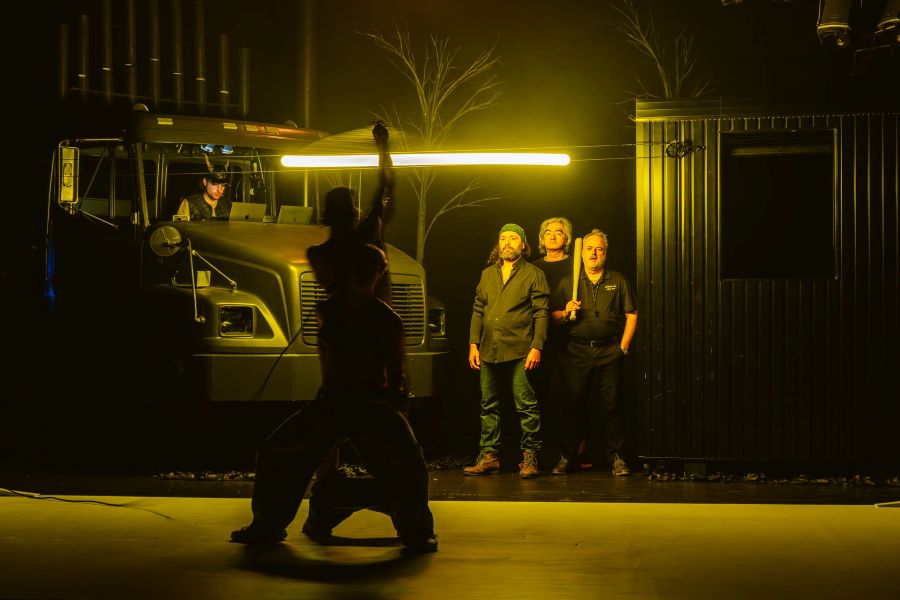
Festival TransAmériques (FTA) recently concluded its annual season in Montreal, presenting a curated selection of interdisciplinary theatre and dance works that explored themes of memory, shame, and the human body. The festival, known for hosting avant-garde international performers, focused its most recent iteration on challenging traditional performance boundaries through a blend of physical movement and psychological inquiry.
The programming for the festival emphasized a “dispatch” style of storytelling, where artists used the stage to document internal and external struggles. According to the Festival TransAmériques official site, the event serves as a critical hub for contemporary dance and performance art, attracting global creators to Montreal to experiment with non-linear narratives and multidisciplinary staging.
Critics and attendees noted a recurring focus on “aquaphobia” and the sensory experience of water, as well as the intersection of hedonism and social guilt. These motifs appeared across various productions, framing the body as a site of both pleasure and trauma, and using the physical space of the theatre to mirror the volatility of memory.
Interdisciplinary Approaches to Memory and Shame
The core of the FTA experience centered on works that blurred the line between dance and theatre. Several productions utilized “interdisciplinary” methods, meaning they combined lighting design, soundscapes, and choreography to evoke specific emotional states rather than relying on a traditional script. This approach allowed performers to tackle abstract concepts like shame—often depicted through restrictive movement or isolated staging—and memory, which was frequently represented through fragmented repetitions of choreography.
The exploration of hedonism in these works was not presented as simple pleasure, but as a complex reaction to societal constraints. Performers used the stage to contrast moments of intense physical liberation with sequences of stark, disciplined stillness, highlighting the tension between individual desire and public expectation. By centering these themes, the festival positioned the body as the primary tool for navigating the “passage” of time and the weight of past experiences.
The Role of Sensory Experience and Aquaphobia
Water served as a dominant metaphor throughout the festival’s selection. The concept of aquaphobia—the fear of water—was used by several artists to symbolize a fear of the unknown or a feeling of being overwhelmed by emotion. In some instances, this was achieved through the use of actual water on stage or through sonic environments that mimicked the sensation of submersion.
This focus on sensory immersion is a hallmark of the FTA’s commitment to “performance art” over traditional “plays.” By engaging the audience’s senses, the festival aimed to move beyond intellectual understanding and toward a visceral reaction. The use of water and sound functioned as a bridge, connecting the performer’s internal psychological state with the audience’s physical presence in the room.
Montreal as a Global Hub for Performance Art
Montreal continues to establish itself as a primary destination for the international avant-garde. The Festival TransAmériques leverages the city’s rich history of contemporary art to attract a diverse array of global talent. The festival’s ability to secure funding and venue space for high-risk, experimental work allows artists to present pieces that might be deemed too provocative or technically difficult for mainstream commercial theaters.
The impact of the festival extends beyond the immediate performances. By fostering a space where “dispatch” style reporting and artistic inquiry meet, FTA encourages a dialogue between different cultural perspectives on what constitutes “theatre” in the 21st century. The integration of dance and theatre ensures that the festival remains a critical point of reference for researchers and practitioners of the performing arts worldwide.
For those seeking more information on upcoming schedules or archives of previous seasons, the FTA official portal provides detailed documentation of the artists and the conceptual frameworks behind each season.
The festival’s next major programming cycle is expected to be announced in the coming months, continuing its tradition of pushing the boundaries of interdisciplinary art. We invite readers to share their experiences of the festival or their thoughts on the intersection of dance and memory in the comments below.