University of Arizona researchers have demonstrated that graphene nanoribbons can survive gamma radiation while producing measurable electrical changes. This proof-of-concept discovery, published in ACS Applied Materials & Interfaces, suggests these nanoscale materials could function as durable radiation sensors for fusion energy reactors and deep-space missions where traditional silicon sensors fail.
Graphene Nanoribbons as Radiation Sensors
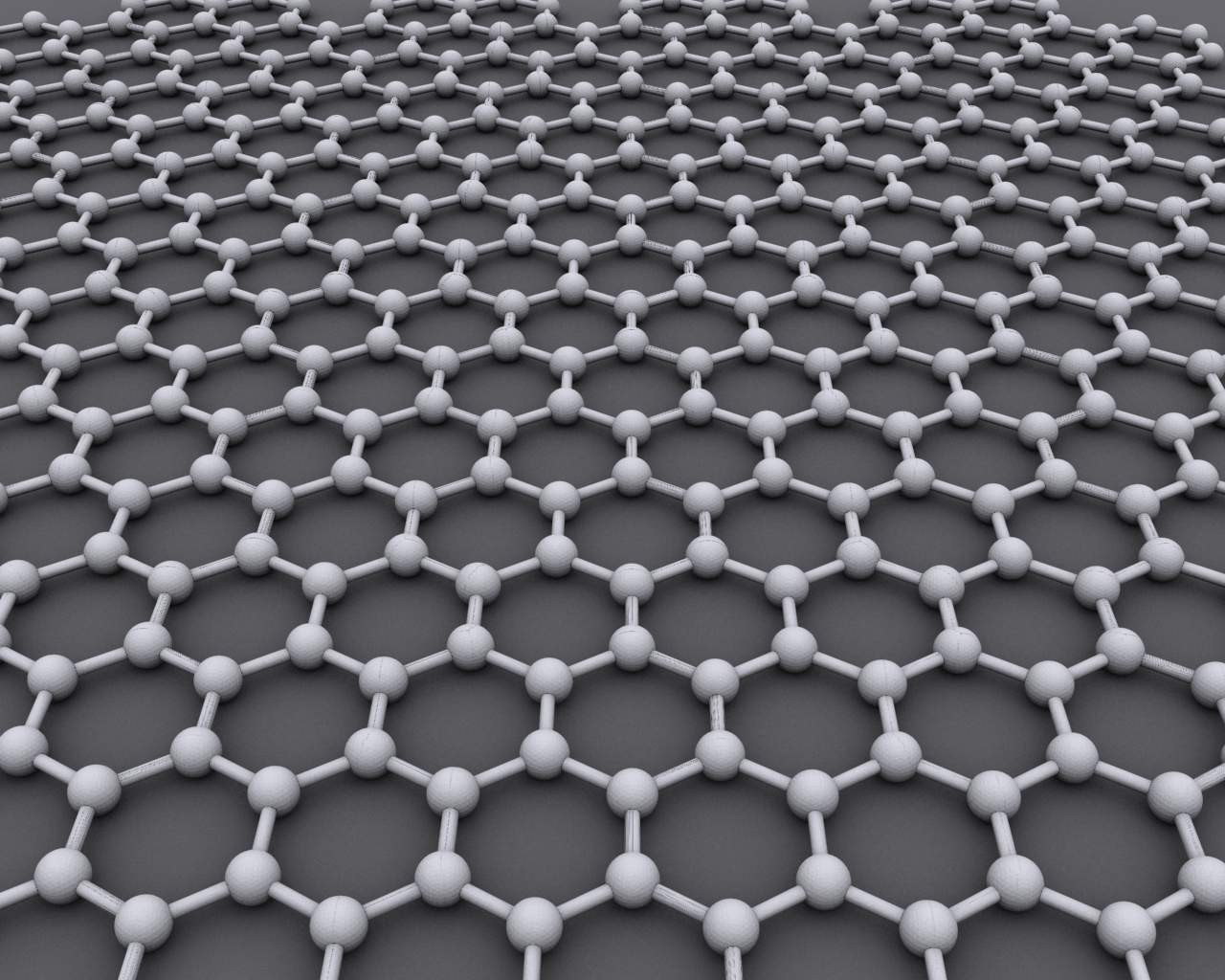
In a recent proof-of-concept study, a team at the University of Arizona integrated graphene nanoribbons (GNRs) into semiconductor devices to test their durability under intense gamma radiation. The researchers found that while the radiation exposure caused the electrical performance of the devices to change, the underlying atomic structure of the ribbons remained intact.
This measurable response to radiation is significant because it allows the material to act as a sensor. The research team, which included nine authors from the university, synthesized the ribbons using molecular beam epitaxy. These ribbons are precisely nine atoms wide, one atom thick, and approximately 45 nanometers long.
Addressing the Limits of Fusion Energy Infrastructure
The development of these sensors could address a critical maintenance hurdle for fusion energy. Currently, the “first wall” of a fusion reactor—the innermost layer that separates superheated fuel from the rest of the structure—degrades under constant radiation. Because modern silicon-based sensors cannot survive the extreme conditions inside this barrier, engineers are currently forced to rely on indirect measurements or wait for reactor shutdowns to perform physical inspections.
By operating closer to the reactor core, GNR-based sensors could provide real-time data, potentially reducing the frequency of costly, unscheduled maintenance shutdowns.
According to the team, the ribbons behave according to quantum physics rather than classical physics. When gamma radiation passes through the air surrounding the GNRs, it creates reactive molecules that subtly alter the edges of the ribbons. This mechanism produces a strong electrical signal without destroying the material itself, a finding that distinguishes GNRs as a potential candidate for electronics that must endure harsh environments.
The team expects to continue developing these sensors to determine their viability for industrial and aerospace integration.
Sources: Arizona.
Related reading