
Brent crude prices retreated on Monday after briefly topping $90 a barrel, as markets reacted to conflicting signals regarding the U.S.-Iran conflict. While military strikes continued for a ninth consecutive night, diplomatic overtures from Tehran and Washington have tempered investor fears over the potential for a total shutdown of the Strait of Hormuz.
Market Volatility and Price Fluctuations
Global oil benchmarks experienced sharp volatility on Monday as geopolitical tensions remained at the forefront of trader concerns. Brent oil futures, the global oil benchmark, rose 0.1% to $88.22 a barrel by 08:18 ET (12:18 GMT), after earlier hitting an over five-week high of $90.75 a barrel. U.S. West Texas Intermediate (WTI) futures fell 0.4% to $82.13 a barrel. Earlier in the day, Brent crude had climbed 2.30% to $90.13, while WTI crude gained 2.07% to $84.20. This followed a sharp rally last week, when Brent surged 15.9%—its biggest weekly gain since April—and WTI rose 15.5%, its strongest weekly advance since early March.
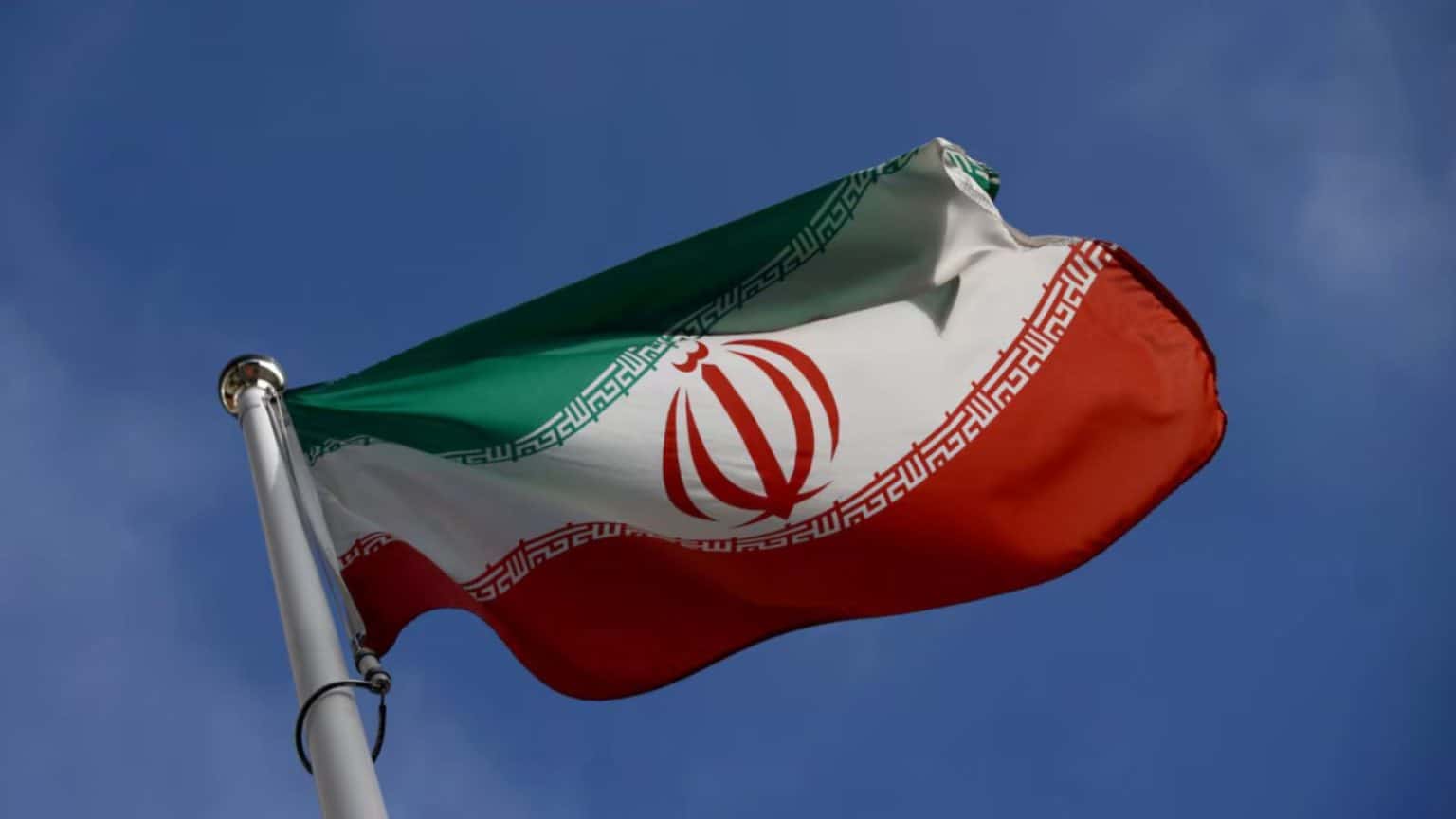
Despite these fluctuations, prices remain significantly lower than the peak of $126 a barrel reached during the early phase of the conflict. Volatility has been a defining feature of the Brent contract since the start of the joint U.S.-Israeli assault on Iran in late February. Brent previously topped $110 a barrel before moderating toward pre-war levels of roughly $70 a barrel following a fragile ceasefire deal in June. ANZ analysts noted in a report that the supply narrative has become more bearish,
adding that the anticipated recovery in shipping has effectively stalled, with Strait of Hormuz transit volumes falling to single digits.
For more on this story, see Trump Ends Iran Deal: US Strikes Trigger Oil Surge and Forint Crash.
Escalation of Military Strikes and Naval Blockades
The recent price movements follow a ninth consecutive night of U.S. military strikes against Iran. Tehran’s paramilitary Islamic Revolutionary Guards Corps responded by launching strikes at U.S. aircraft at an airport in Jordan, as well as American military assets in Kuwait and Syria. Bahrain, Jordan, and Kuwait activated air defenses against incoming drones and missiles. U.S. Central Command stated, The strikes will continue degrading Iranian military capabilities used to attack commercial vessels and civilian mariners transiting the Strait of Hormuz.

The conflict has disrupted the flow of energy, as the U.S. enforces a naval blockade on Iranian ports, while Iran targets ships it claims violate its navigation rules. LSEG data showed only four vessels passed through the strait on Sunday, compared with eight a day earlier. Since Friday, three oil products tankers and one Very Large Crude Carrier have entered the strait to load crude. Furthermore, the United Kingdom Maritime Trade Operations agency reported a vessel caught fire northwest of Kumzar, an incident also confirmed by the British military.
Diplomatic Signaling and Future Outlook
Despite the intensification of hostilities, recent remarks from officials provided a potential path for de-escalation. U.S. Secretary of State Macro Rubio said the U.S. was still open to holding talks with Iran, noting that Washington would be “happy” should the opportunity arise. Iranian Foreign Minister Abbas Araghchi stated that discussions could begin once strategic gains
have been achieved, while an Iranian foreign ministry spokesperson noted that mediators have issued proposals to prevent further fighting. Barclays analyst Amarpreet Singh warned that markets remain too complacent about the potential fallout for inventories,
which are at the tightest of the past five years.
This follows our earlier report, Iran-U.S. Deal 2026: How Trump’s Foreign Policy Shift Could Reshape Middle East Stability & Global Power Dynamics.
Sources: Investing, The Times of India.
Related reading