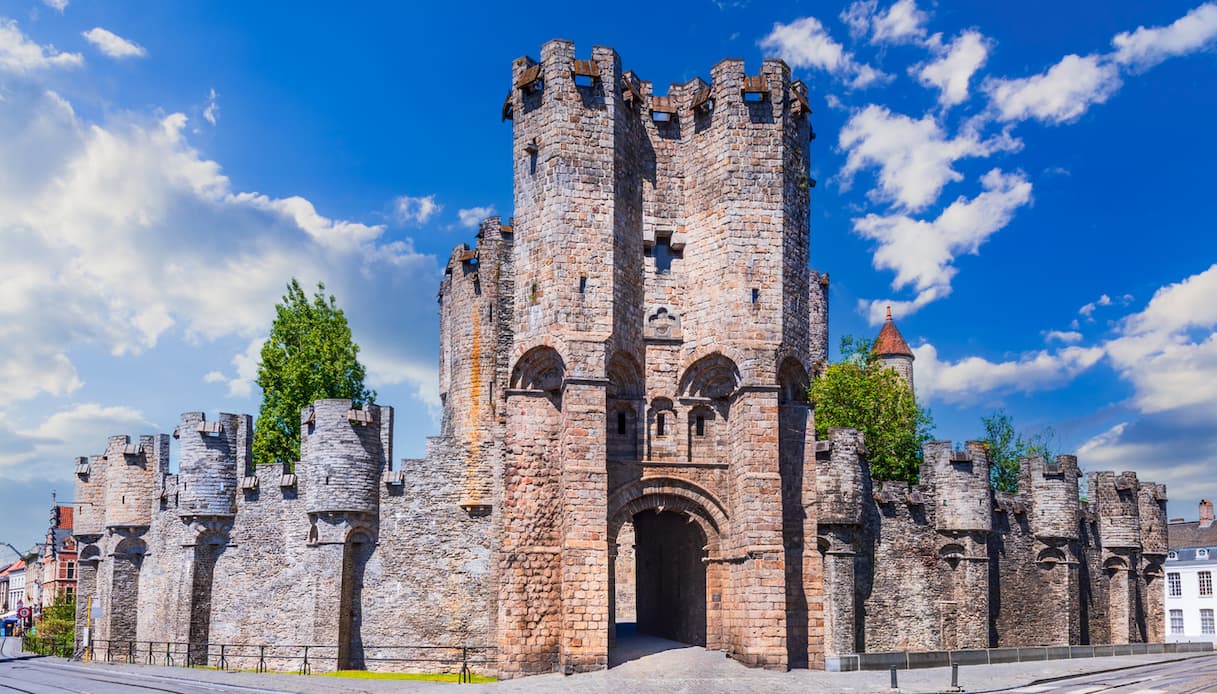
Belgium is expanding its network of walking trails across the Flanders region to promote sustainable tourism and regional exploration. According to Visit Flanders, the official tourism agency for the Flemish community, the initiative focuses on creating diverse, themed itineraries that connect historic cities, rural landscapes, and nature reserves to encourage visitors to explore the region on foot.
The expansion of walking routes in Flanders serves as a strategic move to diversify the tourist experience beyond the primary hubs of Bruges and Ghent. By integrating new paths that traverse the Flemish Ardennes and the coast, the region aims to distribute tourist traffic more evenly across its provinces, reducing congestion in urban centers while supporting local economies in smaller villages.
These new itineraries are designed to cater to various fitness levels and interests, ranging from short, curated urban walks to long-distance trekking paths. Visit Flanders emphasizes that the infrastructure for these routes includes improved signage, digital mapping, and curated points of interest that highlight the architectural and natural heritage of the region.
Integrating Nature and Urban Heritage in Flanders
The new walking strategy focuses on the “slow travel” movement, which prioritizes a deeper connection with the environment over rapid sightseeing. According to Visit Flanders, the updated network emphasizes the transition between the dense urban fabric of Flemish cities and the open spaces of the countryside.
One primary focus of the expansion is the Flemish Ardennes, where the undulating landscape provides a physical challenge and scenic vistas. The region’s trail system now better connects small-scale agricultural sites and historic chapels, allowing hikers to experience the rural identity of East Flanders. This integration helps preserve the cultural landscape by making these remote areas accessible and economically viable through sustainable tourism.
In the coastal regions, the walking paths are designed to leverage the unique geography of the North Sea shoreline. The trails combine sandy beaches with dune landscapes and forested areas, providing a multi-sensory experience that differs significantly from the inland routes. These coastal paths are managed to protect fragile dune ecosystems while still providing public access for recreation.
The Economic Impact of Sustainable Pedestrian Tourism
Shifting tourist behavior toward walking has direct implications for the local economy of the Flemish region. When visitors move on foot, they are more likely to stop at small, independent businesses—such as cafes, artisanal shops, and bed-and-breakfasts—that are often bypassed by coach tours or car-based travel. This “micro-tourism” supports the economic resilience of smaller municipalities.
From a policy perspective, this shift aligns with the broader European Union goals for sustainable and accessible tourism. By investing in pedestrian infrastructure, Flanders is reducing the carbon footprint associated with tourist transport. The use of digital tools, such as interactive maps and GPX files provided by official tourism portals, ensures that visitors can navigate the new itineraries without the need for printed materials or guided tours.
The strategic placement of these trails also encourages longer stays. When a destination offers a comprehensive network of walking routes, visitors tend to extend their trip to complete specific itineraries, increasing the average length of stay and the total expenditure per tourist within the region.
Practical Guidance for Exploring Flanders on Foot
For those planning to utilize the new itineraries, the official guidance suggests starting with the digital resources provided by the regional tourism boards. Most routes are categorized by difficulty and distance, allowing walkers to select paths that match their physical capabilities.
Key areas for exploration include:
- The Flemish Ardennes: Ideal for those seeking elevation and rural vistas.
- The Coastline: Best for nature lovers and those preferring flat, scenic terrain.
- City-to-Village Loops: Perfect for travelers who want to combine urban culture with a quiet retreat into the countryside.
Visitors are advised to check current weather conditions and trail status via the official Visit Flanders portal, as some paths may be subject to seasonal closures for nature conservation or maintenance. The region’s dense rail network also complements these walking routes, allowing hikers to take a train to a starting point and walk back toward their original destination or another city.
The next phase of development for the Flemish trail network involves the further integration of “smart” signage and augmented reality (AR) elements at key historical landmarks to provide visitors with instant contextual information about the sites they encounter. Updates on these digital integrations will be released through official tourism channels as the pilots are completed.
We welcome your thoughts on sustainable travel and your experiences exploring Europe on foot. Please share this article or leave a comment below.
Worth a look