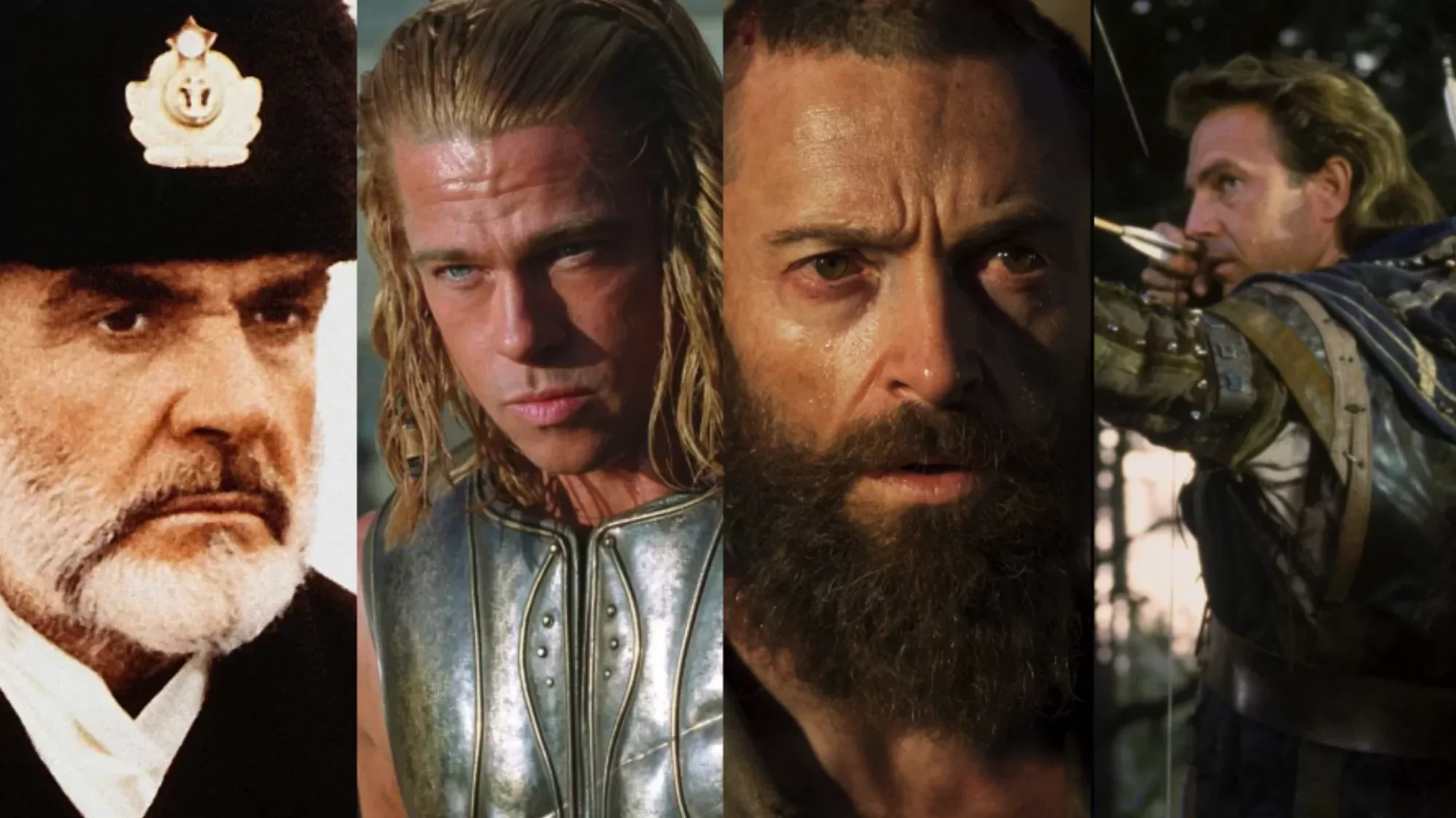
In the high-stakes environment of global cinema, casting decisions often serve as the deciding factor between a box office success and a critical misfire. While major studios frequently bank on the star power of A-list actors to guarantee audience interest, history shows that even the most celebrated performers can occasionally be fundamentally mismatched with their roles. When a performance fails to resonate, it often highlights a disconnect between an actor’s established screen persona and the specific requirements of a narrative, leading to films that critics and audiences alike frequently cite as examples of miscasting.
The following analysis examines seven instances where the inclusion of world-renowned talent did not yield the expected results, often due to tonal dissonance or a lack of character synergy. These examples serve as a reminder that star power is not a substitute for narrative cohesion.
Mismatched Performances and Narrative Friction
One of the most frequently debated examples of high-profile casting involves Sofia Coppola’s 1990 film The Godfather Part III, in which Sofia Coppola was cast as Mary Corleone. According to a retrospective analysis by The Guardian, the performance faced significant criticism for its perceived lack of experience compared to the seasoned veterans surrounding her, which ultimately undermined the emotional weight of the film’s tragic conclusion. While the director, Francis Ford Coppola, defended the casting as a choice to emphasize the character’s innocence, the critical consensus at the time of the film’s 1990 release remained largely negative.
Similarly, the 1991 film Robin Hood: Prince of Thieves is often cited for Kevin Costner’s portrayal of the titular hero. Despite the film’s financial success, grossing over $390 million globally according to Box Office Mojo, Costner’s performance was widely criticized for his lack of an English accent. Critics, including those at The New York Times, noted that the absence of a consistent dialect created a jarring experience for viewers expecting a more traditional period portrayal.
Genre Clashes and Tonal Disruptions
Genre expectations can also lead to significant friction when an actor’s established style clashes with the film’s atmosphere. In the 2004 film Alexander, Colin Farrell’s portrayal of the Macedonian conqueror faced intense scrutiny. Historical dramas require a specific gravitas, yet as reported by The Los Angeles Times, the film’s direction and casting choices—including Farrell’s performance—were described by critics as lacking the necessary historical weight, contributing to the film’s lackluster performance at the domestic box office.
.jpg "Genre Clashes and Tonal Disruptions")
Another notable example is the 1997 thriller The Jackal, starring Bruce Willis and Richard Gere. The film, which saw Willis playing a cold-blooded assassin, was criticized for failing to utilize the actor’s natural charisma effectively. According to Roger Ebert’s 1997 review, the film suffered from a lack of genuine tension, with the performances feeling secondary to the film’s reliance on action set-pieces that did not fully engage the audience.
The Impact of Star Power on Critical Reception
The reliance on famous faces can sometimes distract from the characters themselves. In the 2003 film Gigli, the pairing of Ben Affleck and Jennifer Lopez, while a massive media event at the time, resulted in a film that struggled to find its footing. As documented by The Numbers, the production faced significant challenges in balancing its romantic comedy elements with its crime-drama aspirations, leading to a disconnect that critics found difficult to reconcile.
Similarly, the casting of Hayden Christensen as Anakin Skywalker in the Star Wars prequels, specifically Attack of the Clones (2002), remains a subject of intense discussion. As noted in reports from the BBC, the dialogue-heavy nature of the scripts, combined with the pressure of carrying such a iconic franchise, placed the actor in a position where the performance was frequently overshadowed by the technical and narrative demands of the production.
Legacy and the Future of Casting
The 2004 film Catwoman, starring Halle Berry, is frequently highlighted in discussions regarding miscasting. Despite Berry’s Academy Award-winning talent, the film’s script and direction were widely panned by critics. According to Metacritic, the film holds a significantly low score, reflecting a consensus that the material did not provide the actor with the necessary support to succeed. This case highlights that even an A-list performer cannot overcome fundamental flaws in a film’s creative direction.
These seven films demonstrate that the success of a motion picture is rarely dependent on a single element. When talent is misaligned with the vision of the project, the result is often a disconnect that persists in the public consciousness long after the film’s release. As the industry continues to evolve, these historical examples remain key case studies for casting directors and producers aiming to align star power with narrative integrity.
For those interested in the evolution of cinema and the latest updates in film production, further insights can be found in our ongoing coverage of industry trends. We encourage readers to share their own thoughts on these performances in the comments section below.
Worth a look