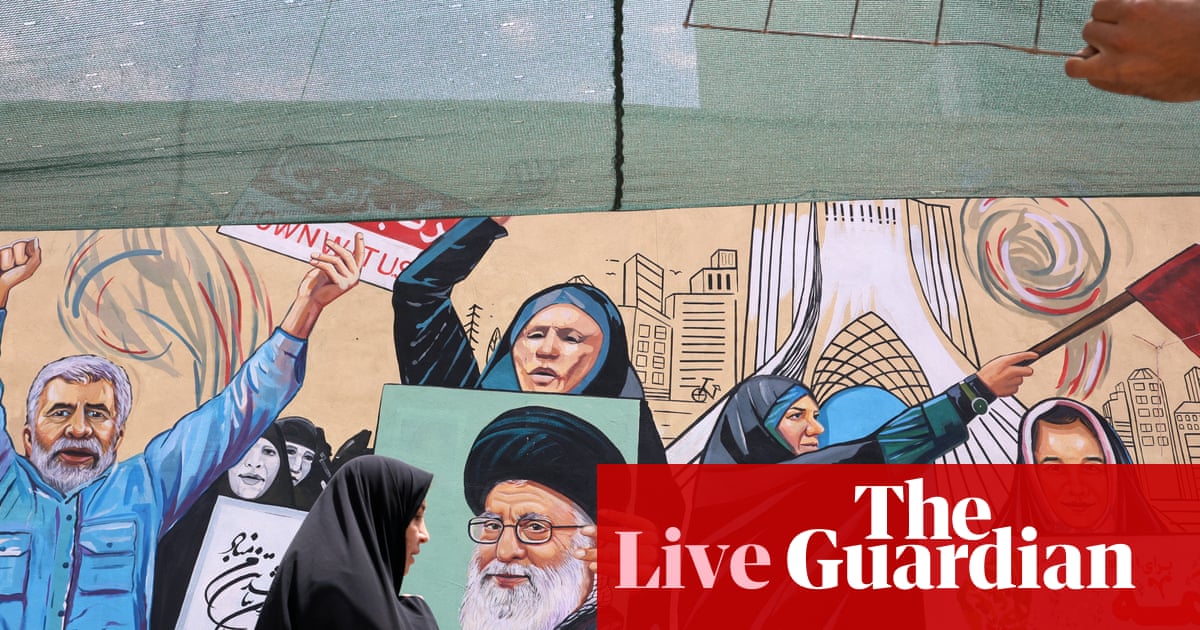
Masoud Pezeshkian has characterized the current state of hostilities between Tehran and the United States as a “full-scale war,” marking a significant escalation in rhetoric as regional tensions continue to intensify. The comments, which frame the ongoing indirect and direct military exchanges as a total conflict, arrive amidst a broader Middle East crisis involving multiple state and non-state actors.
The assertion comes as international mediators attempt to negotiate a 10-day truce aimed at de-escalating violence in the region. Despite these diplomatic efforts, officials in Tehran have maintained a defiant stance. According to reports from regional observers and government-linked media, the Iranian administration insists that it has not conceded any points in its recent diplomatic engagements with Western intermediaries, framing its military posture as an essential response to external aggression.
The Escalation of Rhetoric and Military Posture
The declaration of a “full-scale war” underscores the hardening of Tehran’s position regarding its geopolitical rivals. Pezeshkian’s administration has increasingly utilized assertive language to describe the status of its foreign policy, particularly concerning the United States and its regional allies. This rhetoric is frequently accompanied by threats regarding the country’s missile capabilities, with Iranian officials warning that these assets remain prepared for long-term deployment should the conflict escalate further.
The situation is compounded by a complex series of strikes and counter-strikes across the Middle East. While the United States maintains that its military actions are defensive and intended to protect its personnel and interests, Tehran views these operations as part of a sustained campaign of hostility. The disconnect between these two perspectives remains a primary obstacle to any potential ceasefire or long-term de-escalation agreement.
Diplomatic Hurdles and the 10-Day Truce Proposal
International efforts to implement a 10-day cessation of hostilities have faced significant skepticism from both sides. Mediators, including representatives from various regional and international bodies, have sought to create a window for humanitarian aid and diplomatic discussion. However, the lack of consensus on the terms of such a truce has prevented substantive progress.
The Iranian government has publicly emphasized its commitment to its established red lines, suggesting that any agreement must acknowledge its regional influence and security requirements. This position has been reinforced by recent statements from the Iranian leadership, which emphasize that the country will not sacrifice its strategic priorities for the sake of temporary pauses in fighting. For the United States, the focus remains on curbing the influence of regional proxies and ensuring that Tehran does not achieve a qualitative leap in its military capabilities.
Regional Impact and Future Outlook
The ongoing crisis is having a profound impact on regional stability, affecting trade routes, energy markets, and the security architecture of the Middle East. Analysts note that the shift from shadow conflicts to overt declarations of “full-scale war” signals a departure from the previous operational norms that governed the Iran-US relationship for decades. The reliance on ballistic missile threats as a primary tool of deterrence indicates that both parties are operating under a high-stakes paradigm where the risk of miscalculation is significant.
Humanitarian organizations have expressed concern over the potential for further escalation, citing the impact of military activities on civilian populations in the surrounding areas. While the rhetoric remains high, observers are watching for any signs of direct communication between Washington and Tehran that might deviate from the current confrontational path. As of now, both nations appear to be doubling down on their respective strategies, with little room for compromise in the immediate term.
The next major checkpoint for these developments will likely depend on the outcome of the ongoing mediation efforts and whether any concrete terms for the proposed 10-day truce are formally accepted by both parties. Observers suggest that without a clear diplomatic breakthrough in the coming weeks, the risk of further kinetic military action remains high. We will continue to monitor official statements from the White House and the Iranian Ministry of Foreign Affairs for updates on these negotiations.
What is your assessment of the current diplomatic efforts in the region? Join the conversation below and share your thoughts on the potential for de-escalation.