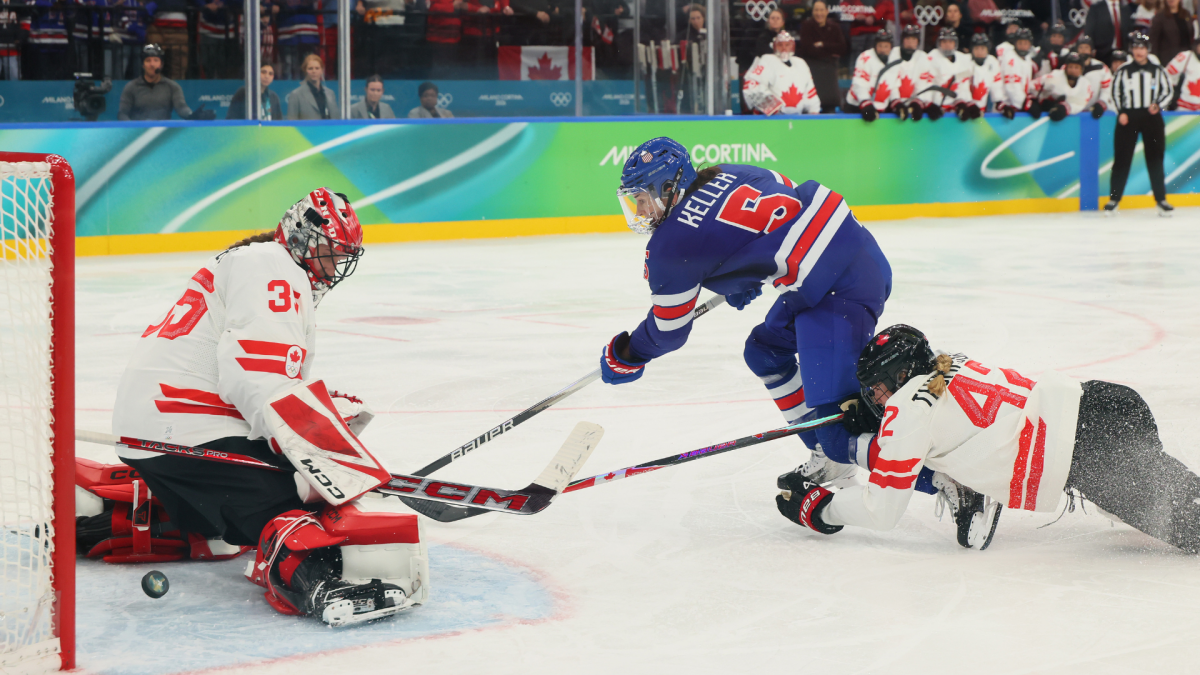
Megan Keller secured the gold medal for Team USA in the women’s ice hockey tournament at the 2026 Winter Olympics, scoring the game-winning goal in overtime to defeat Canada. The decisive strike concluded a resilient comeback for the Americans, who overcame a deficit to claim the top spot on the podium in a tightly contested final. According to official International Olympic Committee (IOC) tournament records, this victory marks a significant milestone in the long-standing rivalry between the two North American hockey powers.
A Decisive Moment in Overtime
The gold-medal game remained a defensive struggle through regulation, with both teams utilizing aggressive forechecking and disciplined goaltending. As the clock wound down in the extra period, Megan Keller capitalized on an offensive zone opportunity, finding the back of the net to seal the 2026 Olympic title for the United States. The International Ice Hockey Federation (IIHF) confirmed the final result, noting the high level of parity displayed by both rosters throughout the competition held in Milan-Cortina.
The comeback reflected the tactical adjustments made by the U.S. coaching staff during the second half of the game. After falling behind early, the American squad shifted to a faster transition game, which eventually pressured the Canadian defense into the turnover that set up Keller’s goal. Official match statistics provided by the IIHF indicate that the U.S. maintained consistent puck possession in the closing minutes of overtime, ultimately creating the space necessary for the game-ending play.
Historical Context of the USA-Canada Rivalry
This match served as the latest chapter in a series of high-stakes encounters between the two nations, which have dominated women’s international hockey since the sport’s inclusion in the Olympic program. Historically, the United States and Canada have consistently occupied the top two positions in the medal standings, with their meetings often decided by a single goal. According to data from the Olympic World Library, these two teams have met in the gold-medal game in the vast majority of Olympic tournaments since 1998.
The 2026 victory adds to the U.S. program’s extensive history, reinforcing their position at the elite level of the sport. For the Canadian team, the silver medal represents another narrow loss in a series defined by intense physical play and tactical sophistication. Experts from the sport’s governing bodies often cite the depth of talent in both countries as the primary driver for the sustained excellence seen at the Winter Games.
Impact on the 2026 Winter Olympic Medal Table
The outcome of the women’s ice hockey final significantly influenced the final medal count for the 2026 Winter Olympics. With this gold medal, the United States bolstered its total standing in the team sports category, a major component of the overall Olympic ranking. Official updates from the 2026 Games organizing committee show that the performance of the women’s hockey team was a centerpiece of the U.S. delegation’s success in Milan-Cortina.

The intensity of the tournament highlighted the growing competitiveness of women’s hockey globally, as other nations continue to close the gap on the two traditional leaders. However, the ability of the U.S. team to manage the pressure of an overtime final demonstrated the experience and composure of the roster. Fans and analysts interested in the technical breakdown of the match can review the full play-by-play data on the official IIHF tournament portal.
Looking Ahead to Future Competition
With the 2026 Winter Olympics concluding, the focus for both teams now shifts toward the upcoming IIHF World Women’s Championship cycle. These international tournaments serve as the primary venues for the next phase of the rivalry, where rosters will be evaluated for potential changes ahead of future qualification rounds. The next official IIHF international calendar update is expected to provide details on the host cities and dates for the next major championship events.

The sporting community continues to monitor the development of youth programs and professional league growth, which remain critical to sustaining the standard of play witnessed in this gold-medal victory. For those following the progress of the national teams, the official federation websites remain the most reliable source for athlete rosters, coaching updates, and scheduled exhibition matches.
We invite readers to share their thoughts on the match and the performance of the U.S. team in the comments section below. Stay tuned for further analysis on the 2026 hockey tournament as more post-game reports become available.
Related reading