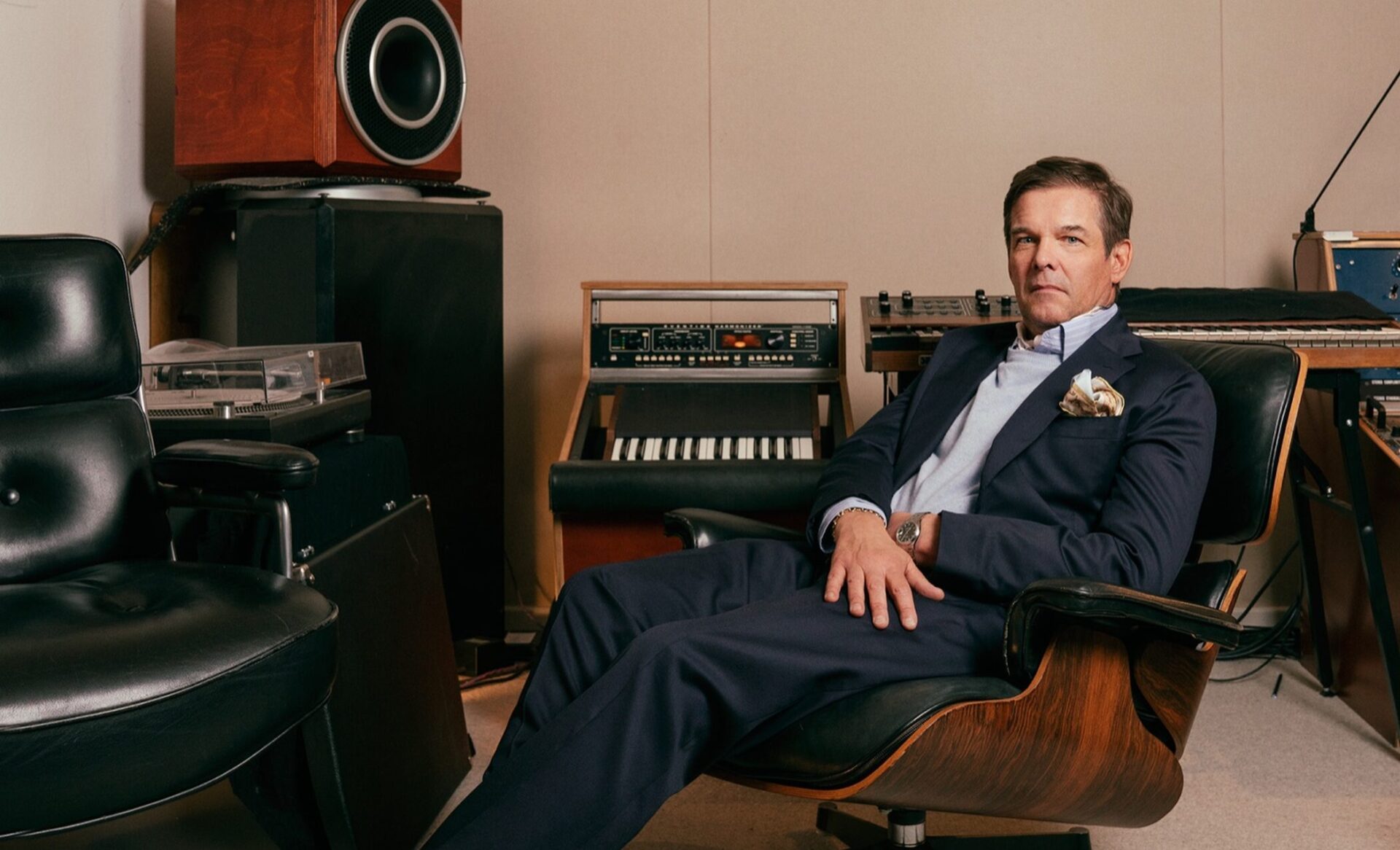
German electronic music pioneer Moritz von Oswald continues to influence contemporary soundscapes through his recent collaborations and performances, including projects that bridge the gap between classical composition and experimental electronic textures. Known for his foundational work in dub techno and his role in the development of the Basic Channel sound, von Oswald’s current artistic trajectory remains defined by a rigorous commitment to sonic exploration and the hybridization of musical genres.
In recent creative engagements, von Oswald has actively pursued the intersection of electronic production and traditional musical structures, including jazz and classical motifs. This ongoing experimentation, often characterized by a minimalist approach to rhythm and a deep focus on spatial sound design, reflects a career-long dedication to pushing the boundaries of electronic music. According to documentation from cultural institutions and performance archives, these projects frequently involve real-time synthesis and the manipulation of acoustic elements, placing him at the forefront of avant-garde electronic performance.
The Evolution of the Von Oswald Sound
Moritz von Oswald’s career began in the Berlin music scene of the 1980s, where he was a member of the new wave group Palais Schaumburg before shifting his focus toward electronic production. His work in the 1990s, particularly the formation of the Basic Channel label alongside Mark Ernestus, is widely credited with establishing the blueprint for the dub techno genre. This aesthetic—defined by heavy reverb, tape hiss, and precise, repetitive percussion—has remained a constant reference point throughout his subsequent solo work and collaborative efforts.
In the decades since, von Oswald has expanded his reach beyond the dance floor. His collaborations with the Moritz von Oswald Trio have seen him integrate jazz improvisation into electronic frameworks, utilizing live instrumentation to break the rigidity of programmed beats. These performances are documented by organizations such as the Resident Advisor artist profile, which tracks his shift from club-focused production to more expansive, concert-hall-oriented soundscapes. His approach involves a “search and experimentation” philosophy, where the goal is to discover new sonic territories rather than adhering to established genre conventions.
Bridging Classical and Electronic Frontiers
A significant aspect of von Oswald’s recent work involves the recontextualization of classical music through an electronic lens. This is not merely a remixing process but an attempt to deconstruct the emotional resonance of classical arrangements using digital processing. By layering electronic textures over classical instrumentation, he aims to create a dialogue between the acoustic past and the digital present. This methodology aligns with broader trends in contemporary music, where the lines between “high art” and electronic dance music (EDM) are increasingly blurred.
The technical execution of these performances often relies on modular synthesizers and custom software environments, allowing for a degree of improvisation that is rarely seen in standard electronic sets. As reported by FACT Magazine, his work on recent albums demonstrates a move toward higher fidelity and more nuanced sound design, distancing his current output from the lo-fi aesthetic of his early career. This evolution highlights a seasoned artist’s attempt to maintain relevance by constantly challenging his own signature sound.
Impact on Global Electronic Culture
The influence of von Oswald extends well beyond his native Berlin. His production techniques have been adopted by a generation of producers who cite his work as essential to their understanding of space and dynamics in audio. The “von Oswald sound” is frequently analyzed in academic musicology circles as a prime example of how studio technology can be used to sculpt atmosphere rather than just provide a beat.
For audiences interested in his current work, updates regarding his touring schedule and new recording projects are typically distributed through labels like Mille Plateaux or his own Basic Channel-affiliated imprints. These platforms remain the official channels for verifying his upcoming appearances and collaborative ventures. As von Oswald continues to perform at international festivals and specialized venues, his role as a bridge between the early days of minimal techno and the modern experimental scene remains secure.
Listeners seeking the latest information on his performances are encouraged to check official venue listings and artist management announcements. As of the latest updates, von Oswald remains an active participant in the global electronic circuit, with ongoing projects that continue to explore the limits of sound. Readers are invited to share their thoughts on his recent stylistic shifts in the comments section below.
Related reading