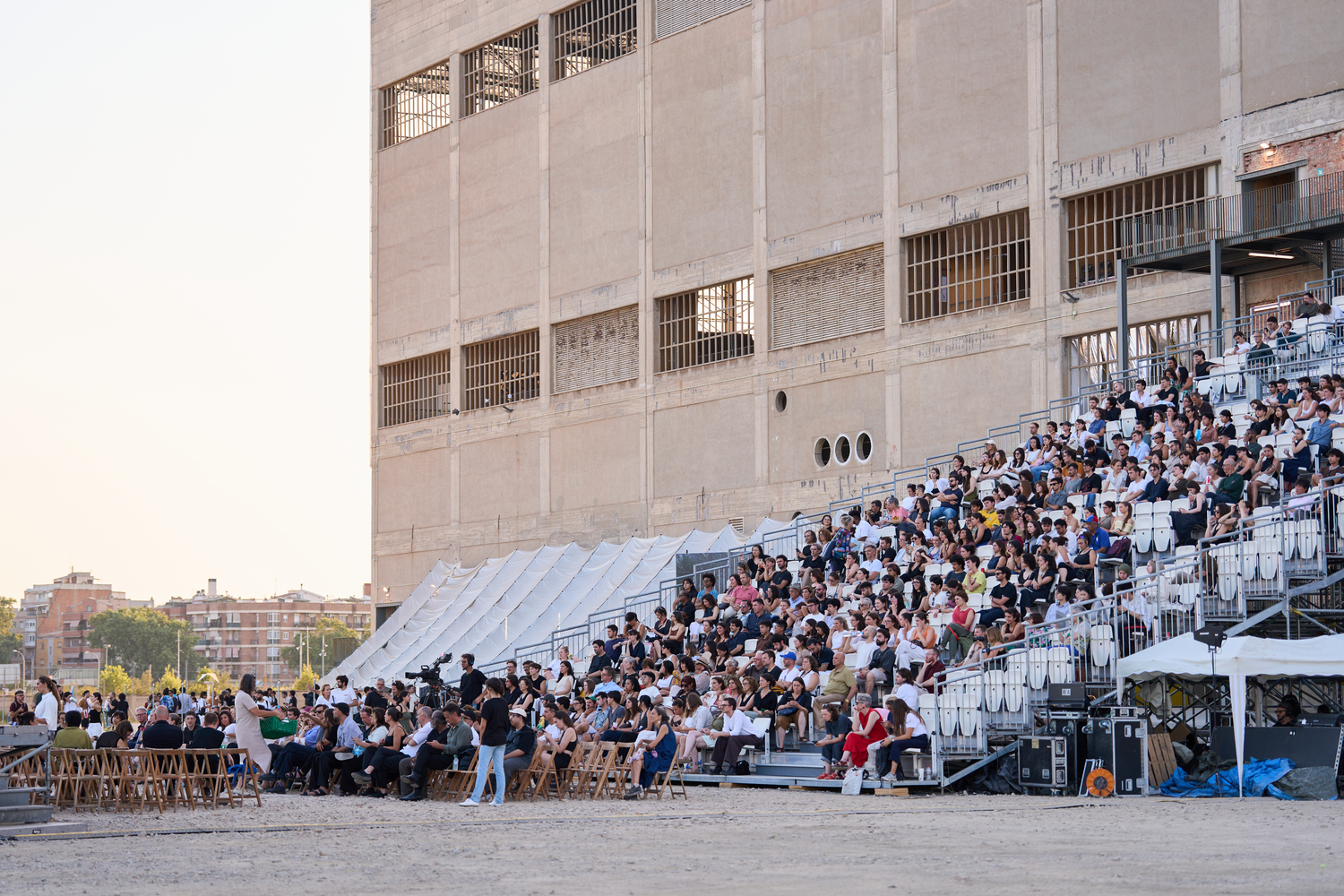
The International Union of Architects (UIA) World Congress 2026 in Barcelona serves as a critical junction for the global architectural community, focusing on the urgent need to redefine the future of the built environment. As urban centers face unprecedented challenges related to climate change, housing shortages, and rapid population growth, the event highlights a shift toward collaborative, sustainable, and socially equitable design practices. According to the International Union of Architects (UIA), the organization represents more than 1.3 million architects worldwide, making its triennial congress a primary forum for setting professional standards and addressing global policy in urban development.
The selection of Barcelona as the host city for the 2026 congress is deeply rooted in the city’s history of urban experimentation. Known for its distinct grid system and long-standing commitment to public space, Barcelona provides a living laboratory for architects to debate how the built environment can better serve human needs. The event aims to move beyond traditional aesthetic concerns, prioritizing instead the “architectural commons”—the idea that the design of cities is a shared responsibility involving local communities, policymakers, and private developers.
The Shift Toward Sustainable Urban Density
A central theme of the UIA 2026 discourse is the tension between increasing urban density and maintaining ecological integrity. As noted by the UIA 2026 Barcelona official program, the congress emphasizes the role of architecture in minimizing the carbon footprint of new construction while retrofitting existing structures to meet modern energy efficiency standards. This approach aligns with the European Union’s broader European Green Deal, which mandates significant reductions in greenhouse gas emissions across the construction and building sectors by 2030.
The dialogue in Barcelona centers on the “15-minute city” concept and the integration of green infrastructure into dense urban cores. Experts argue that the future of the built environment depends on reducing dependency on private vehicles and prioritizing transit-oriented development. By focusing on multi-functional spaces that combine housing, commerce, and recreation, architects are exploring ways to reduce the environmental cost of urban expansion. This transition is not merely technical; it requires significant changes in municipal zoning laws and public policy, as highlighted by recent reports from the United Nations Human Settlements Programme (UN-Habitat) regarding the necessity of sustainable urbanization in the Global South.
Collaborative Design as a Social Imperative
Beyond technical specifications, the UIA 2026 Barcelona congress foregrounds the social dimension of architecture. The collaborative nature of the event reflects a growing consensus that the architect’s role is shifting from a singular creative authority to a facilitator of community-led design. In discussions regarding social housing and public infrastructure, the emphasis is placed on “co-creation”—a process that involves residents in the planning and development of their living environments.
This collaborative model is intended to address the growing crisis of housing affordability in major metropolitan areas. According to data from the Organization for Economic Cooperation and Development (OECD), housing prices in many member countries have outpaced income growth, leading to increased spatial segregation. At the UIA 2026, architects and urban planners are presenting case studies where modular, adaptable, and inclusive design has helped mitigate the impact of displacement and gentrification. By utilizing open-source design platforms and participatory workshops, the profession is attempting to bridge the gap between high-level architectural theory and the practical needs of urban residents.
Addressing the Future of the Built Environment
The long-term impact of the UIA 2026 Barcelona congress will be measured by its ability to influence policy decisions at the international and local levels. The event serves as a platform for drafting declarations that guide national architectural bodies in their implementation of the United Nations Sustainable Development Goal 11, which calls for making cities and human settlements inclusive, safe, resilient, and sustainable. The commitment to these goals is not optional for the profession; it is an economic and environmental necessity.
As the congress progresses, the focus remains on the implementation of circular economy principles in construction. This involves moving away from the “take-make-waste” model toward one that emphasizes the reuse of building materials, the preservation of historic structures, and the utilization of low-carbon materials like timber and recycled concrete. The transition toward a circular built environment requires a fundamental reassessment of how architects value materials, labor, and time. For the global architectural community, the challenge is to scale these individual successes into systemic, replicable models that can function effectively in diverse cultural and economic contexts.
Next Steps and Official Updates
The UIA 2026 Barcelona congress will culminate in the publication of a final manifesto detailing the consensus reached by delegates on future urban development strategies. For those looking to follow the ongoing developments, the UIA official website provides the most current information on technical sessions, public exhibitions, and policy declarations. As the organization moves toward its next assembly, the focus will shift to how these Barcelona-based findings can be integrated into local legislative frameworks and professional education curricula. Readers interested in the evolving standards of the built environment are encouraged to stay engaged with the UIA’s periodic updates and to monitor the implementation of the Barcelona commitments in their respective regions.

Related reading