Houthi Maritime Blockade Escalates Regional Conflict
Yemen’s Iran-aligned Houthi forces announced an immediate maritime embargo
on Saudi Arabia on Monday, signaling a new front in the ongoing conflict between the United States and Iran. According to Reuters, the Houthis stated the blockade is a response to an unjust and oppressive siege
imposed on Yemen.
The declaration threatens to disrupt the Bab el-Mandeb Strait, a critical export route for Saudi oil. Experts estimate that a full closure of the gateway could reduce global oil supplies by 7%. In response, the Saudi-led coalition stated it would use force to counter the Houthis and has begun implementing protection measures for ships navigating the area. The cost of shipping insurance through the Red Sea has risen as a direct result of the increased risk to merchant vessels.
U.S. Military Strikes and Personnel Losses
The escalation follows a deadly period for U.S. forces. The Pentagon confirmed that 1st Lieutenant Tyler James Feehan, 25, and Private Isabella Gonzales, 19, were killed in Jordan on Friday while defending against Iranian missile and drone attacks. A third service member remains missing, with officials reporting that unidentified remains recovered from the site are currently under examination. Additionally, a fourth service member was killed in northern Iraq during the controlled detonation of unexploded ordnance from a downed Iranian drone.

For more on this story, see Iran Urges Houthi Rebels to Prepare Blockade of Bab el-Mandeb Strait.
In retaliation, the U.S. military launched a new wave of strikes against Iranian targets, which Central Command stated were designed to degrade military capabilities used to attack shipping in the Strait of Hormuz.
Widespread Exchange of Fire Across the Gulf
The conflict has expanded across the Middle East, with both nations accusing one another of violating an interim agreement signed last month. Following U.S. airstrikes, Iranian state media reported explosions in Bandar Abbas, Chabahar, Konarak, and Isfahan. The Iranian Islamic Revolutionary Guard Corps (IRGC) claimed to have struck U.S. military systems in Bahrain and Kuwait, including missile and radar installations.

This follows our earlier report, 🔴 Middle East live: US says it struck 90 military targets in Iran as Tehran targets Gulf States.
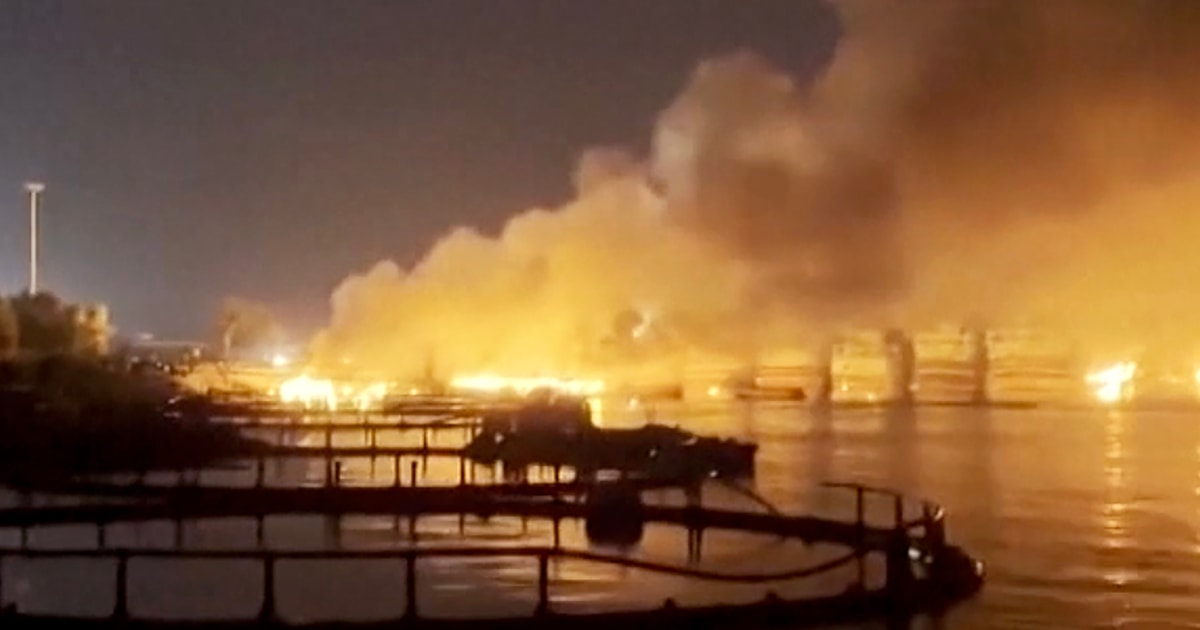
In the Strait of Hormuz, the IRGC claimed responsibility for attacks on two oil tankers that caught fire while transiting the southern route. Meanwhile, Kuwait’s military reported that its air defense systems were actively intercepting incoming Iranian missiles and drones.
Diplomatic Efforts in Limbo
Despite the intensifying violence, reports indicate that some diplomatic channels remain open. An Iranian official told Reuters that Tehran had received a proposal from mediators for a 10-day ceasefire to salvage the interim deal, which was originally intended to pave the way for a lasting end to the war that began on February 28. Iranian Interior Minister Eskandar Momeni has traveled to Islamabad to request that Pakistan resume its role as a mediator.
However, the path to peace remains uncertain. As reported by Nbcnews, President Donald Trump has suggested the ceasefire is over following the Iranian attacks on shipping. Iran’s Foreign Ministry has denounced the U.S. military actions as a grave war crime,
further complicating the diplomatic landscape as both countries continue to trade accusations and fire.
Worth a look