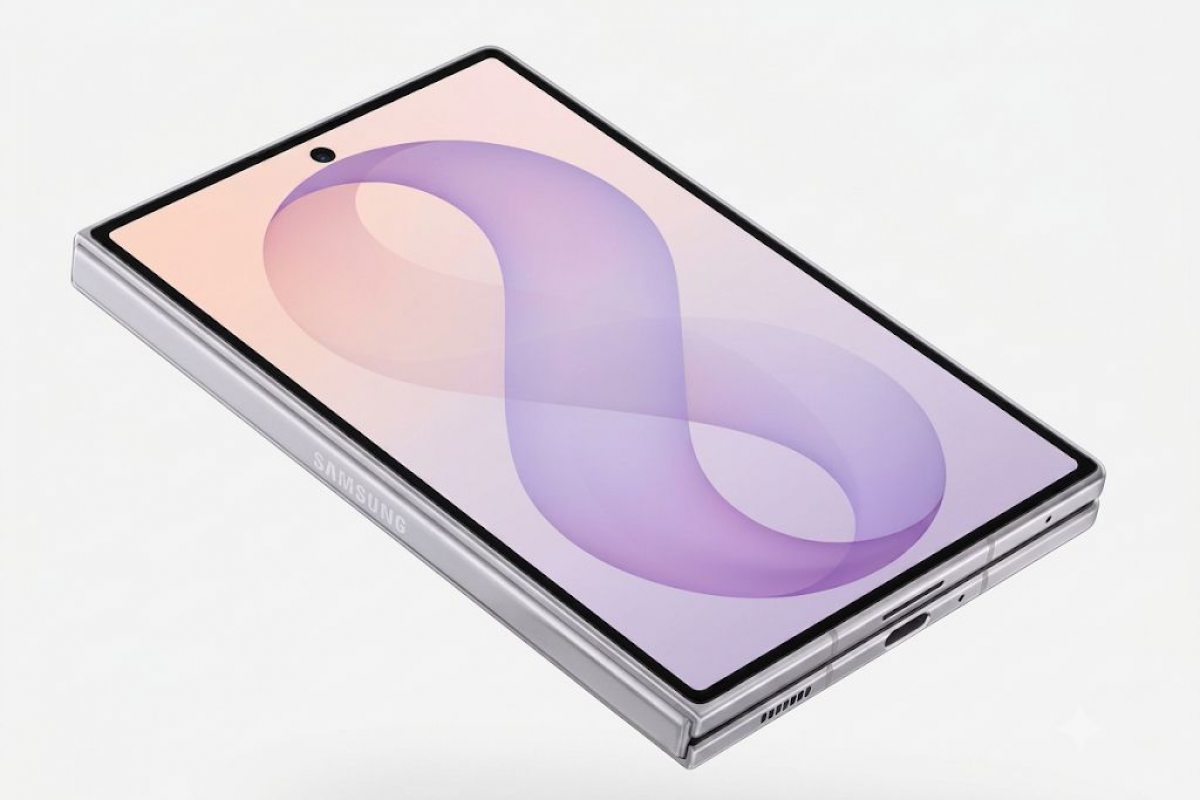
Recent industry reports suggest that Samsung is preparing to integrate proprietary Flex Titanium technology into the upcoming Samsung Galaxy Z Fold8. While the electronics giant has not yet provided an official release schedule for its next-generation foldable device, the development points toward a significant shift in materials science for mobile hardware.
The interest in Flex Titanium stems from the industry-wide challenge of balancing structural integrity with the physical constraints of a foldable hinge and display assembly. According to materials research shared by Samsung’s official newsroom regarding their advancements in display durability, the shift toward higher-grade alloys is intended to address long-standing concerns regarding the thickness and weight of foldable devices. By utilizing titanium, manufacturers aim to offer a more rigid chassis without the bulk associated with traditional aluminum alloys used in previous generations of the Galaxy Fold series.
Evolution of Samsung Foldable Design
Industry analysts have noted that future iterations, potentially including the Z Fold8, may move toward a 4:3 aspect ratio for the inner display. This change would represent a departure from the current form factor, aiming to provide a more tablet-like experience for users who rely on the device for productivity and media consumption.
The integration of new materials is not merely an aesthetic choice but a functional one. Samsung has previously emphasized its commitment to rigorous testing protocols for these components to ensure reliability over years of daily use, as documented in their technical standards documentation.
Market Positioning and the Competitive Landscape
Samsung faces a competitive environment where the definition of a “premium” smartphone is increasingly tied to AI integration and hardware innovation. The company has signaled that its future mobile strategy will be heavily influenced by artificial intelligence, with rumors suggesting the development of AI-powered wearable devices, such as smart glasses, to complement the smartphone ecosystem. This ecosystem-first approach is intended to lock users into a seamless experience where the phone acts as the central hub for data processing and connectivity.
The pressure from international competitors, including potential entries into the “Ultra” foldable category from other major manufacturers, has forced a recalibration of the Samsung release cycle. While pricing for the Z Fold8 remains speculative, historical trends for the Z Fold line suggest a premium price point consistent with the high cost of R&D for advanced materials like Flex Titanium. As of mid-2024, Samsung continues to hold a dominant position in the foldable market, though it faces pressure to deliver tangible hardware improvements to justify annual upgrade cycles for its consumer base.
Technical Outlook and What to Expect
For users and tech enthusiasts, the primary question remains how these hardware changes will translate into daily utility. The combination of a 4:3 display and a more durable frame suggests that the Z Fold8 may be positioned as a primary productivity device rather than just a luxury consumer gadget.
Interested parties should monitor the Samsung Global Newsroom for upcoming press events, which typically occur in the second half of the year.
As the industry moves toward the next product cycle, comparisons between the Z Fold8 and competing high-end devices will likely center on weight, screen crease visibility, and the maturity of AI-integrated software features. We will continue to track official updates and technical disclosures from Samsung as they become available. Please share your thoughts in the comments section below regarding the features you prioritize most in a foldable smartphone.
Worth a look