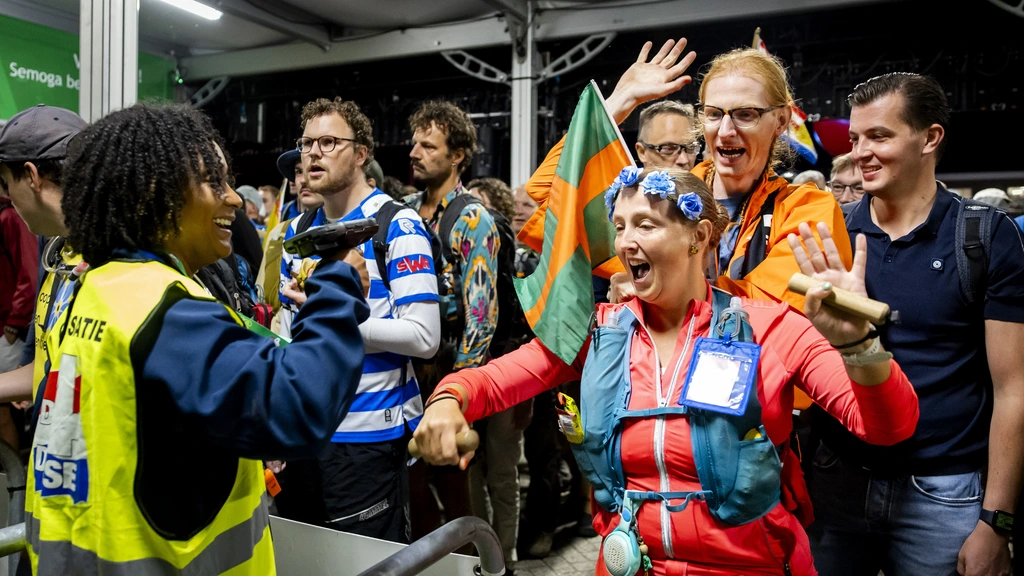
Recent reports from the event highlight the presence of walkers like Michel, who attended the marches specifically for the tradition of “ruilhandel” (trading) despite battling a burnout, noting that he maintains a significant collection of items at home.
The event, one of the world’s largest walking events, serves as more than a physical endurance test.
Organizers and local media, including NOS and Omroep Gelderland, have documented a shifting demographic within the marches. While the event has long been associated with older generations, there is a growing trend of younger participants joining. According to NU.nl, these younger walkers are helping to shift the “elderly image” of the event, with some participants stating that they inspire one another to join the challenge.
The Role of ‘Ruilhandel’ and Social Connection in the Marches
For some participants, the motivation to attend the Nijmegen Four Days Marches is rooted in the tradition of trading. Michel, a participant featured by De Telegraaf, emphasized that his drive to attend despite his burnout was linked to the collection of items traded during the event. He stated, “At home, I have a substantial collection,” illustrating how the hobby of collecting event memorabilia can serve as a motivator for those facing mental health struggles.
Demographic Shifts and the ‘Blue Tuesday’ Experience
The event is characterized by specific milestones, such as “Blue Tuesday,” a day often marked by the physical and mental toll of the long distances. NOS reports that walkers continue to push through these challenging days, maintaining the momentum required to reach the finish line in Nijmegen.
The profile of the average walker is also evolving. Reports from NU.nl indicate that the influx of younger participants is actively changing the perception of the event.
Regional Participation and Logistical Scale
The scale of the event is reflected in the volume of participants from various Dutch provinces. Omroep Brabant reported that 7,408 participants from the North Brabant region set out for the marches. The reporting highlighted the individual journeys of these walkers, including those for whom the decision to participate remained “tense” or uncertain until the last moment.
The logistics of the event are managed to accommodate tens of thousands of people moving through the Gelderland province. Omroep Gelderland confirmed the start of the first walking day, noting the high level of organization required to coordinate the routes and support systems for the diverse crowd of international and domestic walkers.
The Nijmegen Four Days Marches remains a significant cultural phenomenon in the Netherlands, blending athletic achievement with a deep-seated tradition of social exchange. For participants like Michel, the event represents a way to engage with a community and a hobby, providing a mental reprieve through the act of trading and walking.
The event typically concludes with a massive gathering in Nijmegen where finishers receive their medals. Official updates regarding the final counts of finishers and the total distance covered by all participants are usually released by the organization following the conclusion of the fourth day.
We invite readers to share their experiences with the Nijmegen Four Days Marches or their own stories of using community events for mental wellness in the comments below.