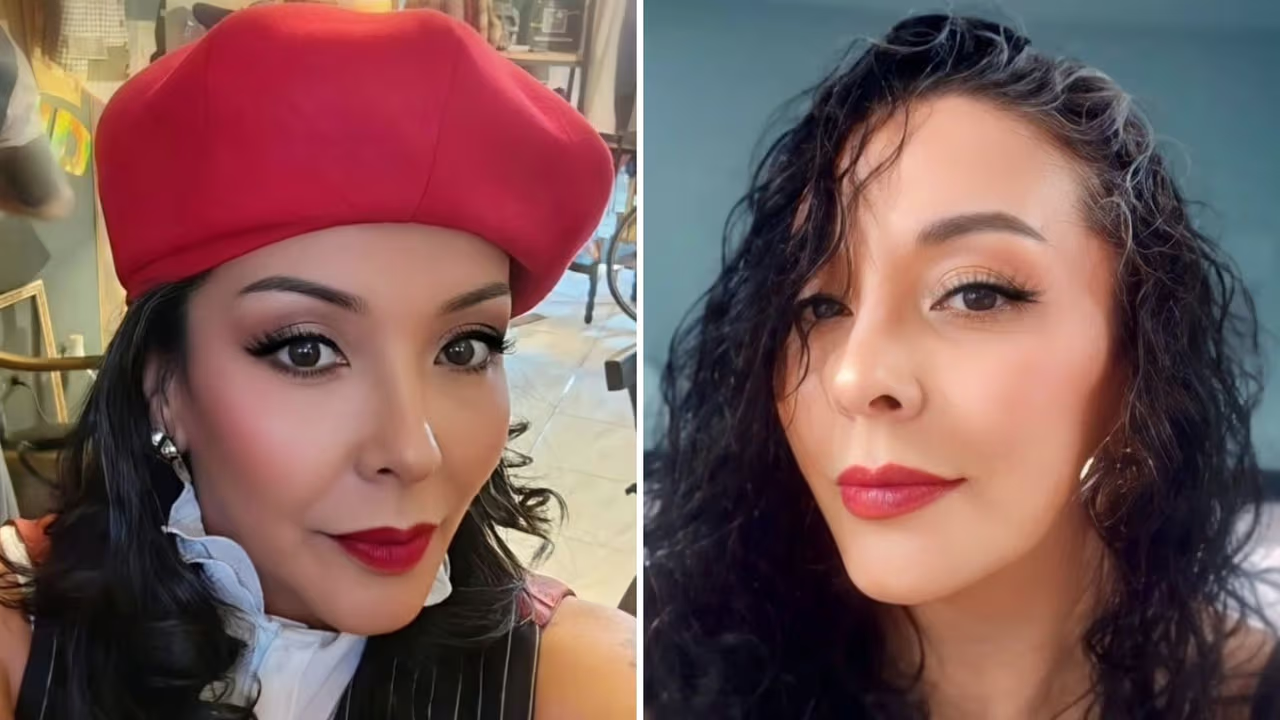
Colombian influencer Adriana Manotas died at age 52 following complications from a cosmetic surgery procedure, according to reports from Univision and local Colombian media. The incident has sparked renewed discussions regarding the safety of aesthetic clinics and the regulation of surgical practices in Colombia.
Manotas, a well-known figure in the Colombian digital space, underwent the procedure at a clinic that reports indicate was operating without the necessary legal permits. While the specific type of surgery has not been officially detailed in all reports, the case has drawn attention to the risks associated with “clandestine” or unauthorized medical facilities.
The death of a public figure under these circumstances often triggers investigations by health authorities to determine if medical negligence or a lack of institutional certification contributed to the fatal outcome. In Colombia, the Ministry of Health and Social Protection oversees the licensing of healthcare providers to ensure patient safety.
Regulatory Failures and Unauthorized Clinics in Colombia
The circumstances surrounding the death of Adriana Manotas highlight a persistent issue in the Colombian healthcare sector: the operation of unauthorized aesthetic centers. According to the Colombian Ministry of Health, any facility performing invasive surgical procedures must meet strict infrastructure and staffing requirements to be legally certified.
Reports indicate that the clinic where Manotas was treated lacked these essential authorizations. In the medical field, “clandestine” clinics often bypass rigorous safety protocols, such as the requirement for a fully equipped recovery room or the presence of a certified anesthesiologist, which are critical for managing post-surgical complications.
Public health advocates in Colombia have frequently warned that the demand for low-cost cosmetic enhancements drives patients toward these unregulated providers. When a facility operates without official oversight, there is no external audit of their sterilization processes or the qualifications of the practitioners, significantly increasing the risk of sepsis, embolism, or anesthesia-related failure.
The Risks of Invasive Aesthetic Procedures
Cosmetic surgery, while common, carries inherent risks that are magnified when performed in suboptimal environments. Medical professionals emphasize that any invasive procedure—whether it be liposuction, a facelift, or body contouring—requires a comprehensive pre-operative screening to identify comorbidities that could lead to surgical failure.
According to guidelines from the International Society of Aesthetic Plastic Surgery (ISAPS), the safety of a procedure depends heavily on the surgical environment. A lack of emergency equipment or a failure to follow aseptic techniques can turn a routine cosmetic operation into a life-threatening event.
In the case of Adriana Manotas, the lack of clinic certification suggests a breach of these safety standards. When complications arise in an unauthorized setting, the ability to provide immediate, life-saving intervention is often compromised, as these facilities may lack the necessary equipment to stabilize a patient in critical condition.
Impact on the Digital Community and Public Awareness
The death of Manotas has resonated deeply within the Colombian influencer community, where the pressure to maintain a specific aesthetic standard is high. Her followers and peers have expressed grief and alarm, using the tragedy to warn others about the dangers of seeking “budget” surgeries in unverified clinics.
This event follows a pattern of high-profile deaths linked to aesthetic procedures in the region, which has led to calls for stricter enforcement of health laws. Legal experts suggest that when a clinic operates without a license, the practitioners may face criminal charges for “culpable homicide” or professional negligence under Colombian law.
The tragedy serves as a reminder for patients to verify the credentials of both the surgeon and the facility. In Colombia, this involves checking the ReTHUS (Registry of Health Talents) to ensure the doctor is licensed and confirming that the clinic has a current “Habilitación” (enablement) certificate from the Secretary of Health.
Verification Checklist for Aesthetic Patients
To avoid the risks associated with unauthorized clinics, health authorities recommend that patients perform the following checks before any surgical appointment:
- Verify the Surgeon: Check the professional license of the doctor through the official national health registry to ensure they are a board-certified plastic surgeon.
- Inspect the Facility: Request to see the clinic’s official health permit (Habilitación) and ensure the facility is not a mere office or “spa” masquerading as a surgical center.
- Review Post-Op Care: Confirm that the facility has a dedicated recovery area and a clear protocol for emergency transfers to a high-complexity hospital.
- Avoid “Package Deals”: Be wary of clinics offering extreme discounts or “all-inclusive” packages that seem too low to cover the actual cost of safe medical supplies and professional staffing.
The next step in this case will be the official autopsy report and the subsequent investigation by Colombian health regulators to determine the exact cause of death and the legal status of the clinic involved. Updates on any legal actions against the facility will be provided as they are filed with the court.
Do you have experience navigating healthcare regulations or tips for verifying medical credentials? Share your thoughts in the comments below.
Keep reading