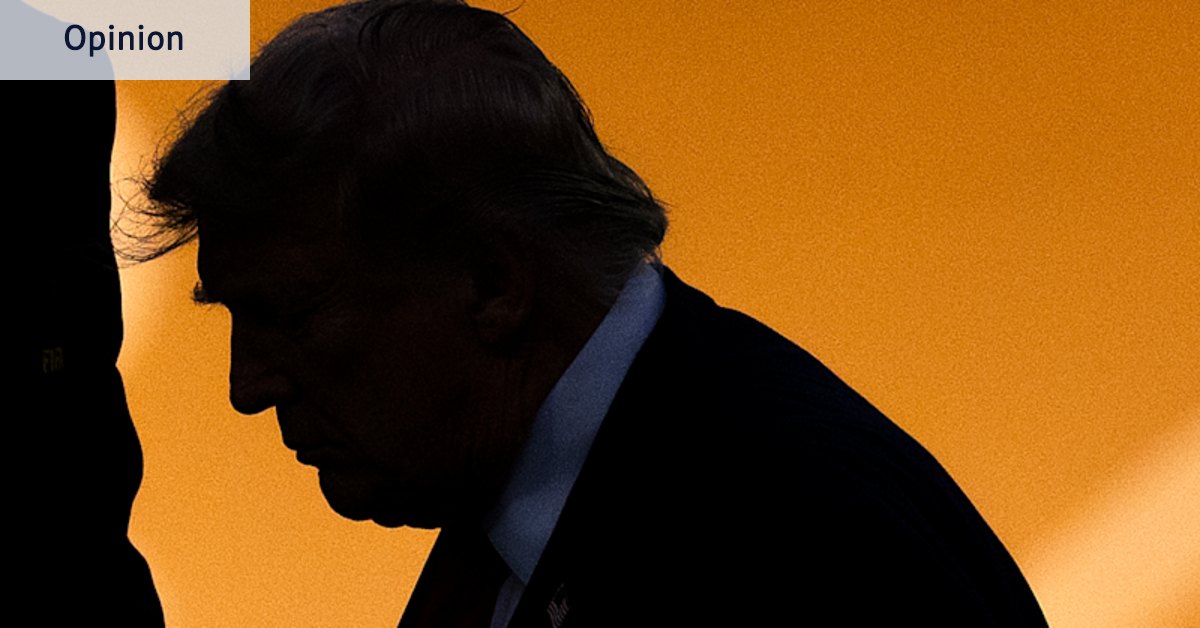
Donald Trump currently commands a level of political influence within Washington that few of his predecessors have matched, effectively neutralizing traditional internal opposition within the Republican Party. With the legislative and executive branches aligned under a unified agenda, the U.S. president faces virtually no meaningful resistance to his policy goals. Yet, this consolidation of authority arrives alongside a complex internal calculus: the very power that secures his current position also creates a heightened stakes environment for his administration’s long-term stability.
My work as an international correspondent over the last 14 years has often focused on how leaders manage the transition from political insurgency to institutional governance. In the current American climate, the lack of traditional “checks” within the legislative process—a hallmark of the current congressional makeup as reported by the Pew Research Center—means that the responsibility for oversight has shifted almost entirely onto the executive’s own internal discipline and the resilience of the federal bureaucracy. When a leader faces no external friction, the risks associated with miscalculation or administrative overreach become internal, not external.
The Consolidation of Executive Authority
The current landscape in Washington is defined by a rare alignment of political forces. Following the most recent election cycles, the Republican Party’s control over both the House of Representatives and the Senate, as documented in official U.S. Senate election records, has cleared a path for the administration to appoint cabinet members and judicial nominees with minimal legislative obstruction. This environment allows for the rapid implementation of an agenda that would typically face months of committee scrutiny.
However, analysts of American political history note that such concentrated power often serves as a double-edged sword. According to the Brookings Institution, the absence of robust legislative pushback can lead to “policy fragility,” where the lack of debate prevents the identification of potential legal or administrative flaws before they reach the stage of implementation. For an administration currently prioritizing rapid deregulation and executive action, this lack of friction may increase the likelihood of future litigation or administrative reversals.
The Burden of Historical Precedent
In recent public appearances, the president has frequently pivoted toward historical framing, choosing to anchor his current policy decisions in a specific interpretation of the American past. This rhetorical strategy is significant. By invoking historical milestones, the administration seeks to build a narrative of continuity that justifies the dismantling of existing institutional norms.
Yet, relying on the past to validate present-day power carries inherent risks. History is rarely a static guide; it is a contested space. When a leader ties their legitimacy to a particular reading of history, they open themselves to challenges from scholars, historians, and political rivals who may present alternative records. As noted in reports by the National Archives and Records Administration regarding the preservation and interpretation of founding documents, the selective use of history often invites intense public scrutiny that can distract from the administration’s core legislative goals.
Institutional Risks and Administrative Accountability
The “fear” of what is coming—often discussed in private corridors of power—is not necessarily a fear of electoral defeat, but rather a concern regarding the sustainability of the current executive model. The concentration of power shifts the burden of accountability onto the federal workforce and the judiciary. If the executive branch pushes the boundaries of its legal mandate, it inevitably triggers a collision with the judicial system.
According to the Administrative Office of the U.S. Courts, the federal judiciary remains the final arbiter of executive authority. Even without a hostile Congress, the administration must navigate the potential for nationwide injunctions and the slow, deliberate process of constitutional litigation. Every major executive order issued in this climate of limited legislative oversight faces a higher probability of being challenged in federal court, as interest groups and state attorneys general look to the courts to fill the void left by a compliant legislature.
The administration’s next major milestone will be the upcoming federal budget reconciliation process, which will test its ability to manage fiscal policy without the tempering influence of bipartisan negotiation. As the administration prepares its next series of executive actions, observers will be watching to see how it balances the desire for rapid change against the structural realities of the American legal system. We welcome your perspective on these shifts in the comments section below.