Romania’s public sector wage reform, known as the legea salarizării, has entered a period of significant legal and administrative uncertainty following recent court interventions and ongoing debates regarding fiscal policy. As of late 2024, the framework for adjusting public sector pay remains a central point of contention between labor unions, the executive branch, and the judiciary, leaving the compensation structures for hundreds of thousands of state employees in a state of flux.
The core of the current dispute involves legal challenges brought by trade unions, most notably the Sanitas federation, which represents workers in the health sector. According to reports confirmed by judicial records, the Curtea de Apel (Court of Appeal) has taken steps to suspend procedures related to the implementation of specific provisions within the wage law framework, effectively halting the progress of the project until further notice. This judicial action has been framed by union representatives as a necessary measure to protect the rights of employees, arguing that the current draft of the legislation cannot produce legal effects in its present state.
Legal Challenges and Labor Disputes
The suspension of the wage law procedure follows a series of protests and legal filings by public sector representatives. The Sanitas union successfully petitioned the court to intervene, arguing that the government’s proposed changes failed to adequately address existing salary inequities. Official statements from union leadership indicate that the suspension serves as a primary defense against the erosion of purchasing power for healthcare staff. The court’s decision to pause the procedure essentially freezes the advancement of the legislative project, forcing the government to reconsider its approach to public sector pay scales.
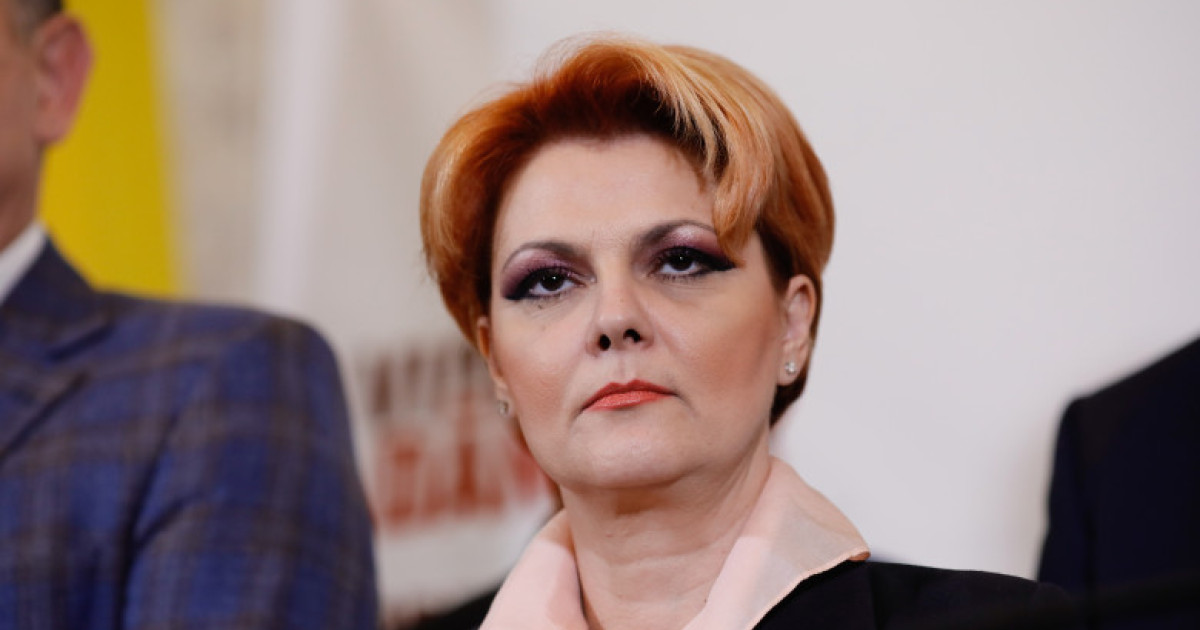
The legislative process, which was intended to streamline and rationalize salaries across various state institutions, has faced criticism from multiple fronts. Political actors have engaged in heated public exchanges regarding the management of these reforms. Olguța Vasilescu has publicly commented on the negotiations, suggesting that the complexity of the current situation is exacerbated by past policy decisions. These comments reflect the broader tension between the need for fiscal consolidation and the demands of public sector workers for wage increases that keep pace with inflation.
Fiscal Impact and the Future of Public Wages
The impact of this legal stalemate is widespread. Analysts monitoring the public budget note that a significant portion of the workforce—over 400,000—faces the prospect of frozen wages in the coming years if a new legislative consensus is not reached. This fiscal strategy is often tied to broader government efforts to manage the national deficit and adhere to European Union fiscal requirements. The debate surrounding these austerity measures highlights the difficulty of balancing long-term economic stability with the immediate concerns of the public workforce.
The situation is further complicated by the involvement of various political stakeholders who have criticized the government’s handling of the legislative timeline. Dragoș Pîslaru, among other political figures, has raised concerns regarding the speed of legal and administrative actions, noting that the ongoing friction between the judiciary and the executive branch may delay necessary reforms indefinitely. These criticisms emphasize the lack of coordination that has characterized the most recent attempts to finalize the wage law.
Next Steps in the Legislative Process
For the hundreds of thousands of state employees affected by these developments, the immediate future remains uncertain. The next confirmed checkpoint involves the formal review of the court’s suspension order and any subsequent appeals that the government may choose to file. Legislative updates and official notifications regarding the status of the wage law project are typically published on the official portals of the Ministry of Labor and the Romanian Parliament.
Public employees are encouraged to monitor announcements from their respective trade unions for updates on potential negotiations or court hearings. As the situation evolves, the government is expected to issue further guidance on how it intends to address the judicial suspension while maintaining its fiscal targets. We will continue to track these developments as they impact the public sector and report on any official shifts in policy.
Have you been affected by the recent developments regarding public sector wage laws? Share your thoughts or questions in the comments section below to join the conversation.
Worth a look