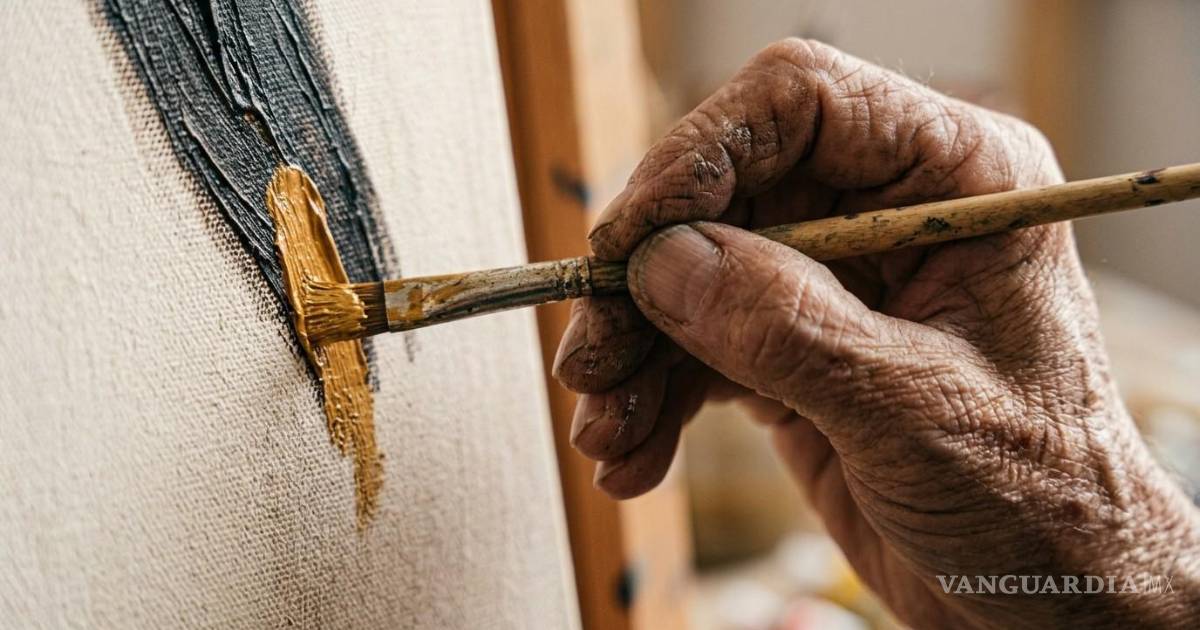
The intersection of human vulnerability and artistic creation remains a profound subject in cultural discourse, often exemplified by the narrative of "Chole," a figure representing the humble muse who inspires transformative works. While historical accounts often focus on the prestige of the artist, the legacy of individuals like Chole highlights the essential, often overlooked role of the subject in the creative process. This exploration examines how the lives of ordinary individuals have historically served as the catalyst for significant movements in art, providing a necessary human grounding for technical mastery.
The Role of the Muse in Art History
Art history is frequently categorized by the techniques and ideologies of the masters, yet the subjects who populate these canvases often hold the true narrative weight. According to analysis from the Metropolitan Museum of Art, the relationship between the artist and the model has evolved significantly from the Renaissance to the modern era, shifting from purely allegorical representation to a more nuanced exploration of personal identity. The concept of the "miracle of art" often refers to this specific alchemy—where a painter, perhaps detached or technically rigid, finds emotional resonance through the presence of a person from a different social or economic strata.
This dynamic is rarely one-sided. While the artist provides the medium and the skill, the subject provides the lived experience. In many instances, the anonymity of the model has been a point of contention for historians. Research into 19th and 20th-century portraiture, documented by the Tate Gallery, suggests that when models were drawn from lower socioeconomic backgrounds, their identities were frequently subsumed by the artist’s vision. The "miracle" often cited by critics is not merely the finished painting, but the moment of connection that allowed the artist to transcend their own limitations.
Humanizing the Artistic Process
The narrative surrounding figures like Chole underscores a recurring theme in the humanities: the ability of art to bridge the gap between disparate worlds. When an artist of significant technical standing engages with a subject of humble origins, the resulting work often carries a distinct emotional warmth that is absent from purely theoretical or commissioned pieces. This transition from a "cold brush"—a metaphor for academic detachment—to a more evocative, human-centric style is a hallmark of artistic growth.
Observers of art history, such as those contributing to the Art Bulletin, note that this phenomenon is particularly prevalent in periods of social transition. During these times, the inclusion of everyday people in high art served as a radical act of visibility. By elevating the humble to the status of a masterpiece, artists challenged the rigid hierarchies of their time, effectively using the canvas as a space for social commentary.
Legacy and Modern Relevance
Today, the discussion regarding who is depicted in art and how they are represented has moved to the forefront of cultural studies. The historical tendency to view the model as a mere instrument of the artist is increasingly being challenged by contemporary curators. The Smithsonian Institution emphasizes that understanding the context of a model’s life is essential to a full appreciation of the artwork itself. The "miracle" of art is now understood as a collaborative, albeit often unequal, process that reflects the broader power structures of the era in which the work was created.
For audiences engaging with these works today, the challenge lies in looking past the paint to the person. Whether the subject is a named historical figure or a nameless individual like Chole, their contribution to the cultural canon is undeniable. Their presence allowed for the expression of humanity that defines the enduring appeal of the visual arts, reminding viewers that technical skill alone is rarely the source of a work’s longevity.
As academic institutions continue to digitize archives and re-examine provenance records, more information regarding the lives of these historical figures may emerge. Future updates to our understanding of these artistic relationships will likely be found in institutional research databases and exhibition catalogs from major global museums. We encourage readers to share their perspectives on the role of the muse in art history in the comments section below.
Keep reading