Research into the gut-brain axis suggests that dietary patterns focused on reducing systemic inflammation may lower the risk of developing dementia. Recent clinical observations and epidemiological studies indicate that a diet rich in anti-inflammatory foods—such as polyphenols found in berries and olive oil—could play a protective role in long-term cognitive health. While dietary interventions are not a substitute for clinical medical treatment, they represent a growing area of interest in public health strategies aimed at mitigating neurodegenerative risks.
I have followed the evolving discourse on how nutrition influences neurological function. The connection between the microbiome and cognitive performance is no longer merely theoretical; it is a subject of investigation within geriatric medicine. When we discuss neuroprotection, we are essentially looking at how systemic inflammation, often driven by highly processed sugars and unhealthy fats, impacts the blood-brain barrier and neuroinflammatory pathways over time.
The Role of Polyphenols and Anti-Inflammatory Nutrition
Evidence continues to mount regarding the impact of specific dietary compounds on cognitive decline. Polyphenols, naturally occurring micronutrients found in plant-based foods, are central to this discussion. Polyphenols such as flavonoids and phenolic acids exhibit antioxidant and anti-inflammatory properties that may counteract oxidative stress in the brain. These compounds are abundant in foods commonly associated with the Mediterranean diet, including extra virgin olive oil, berries, nuts, and leafy greens.
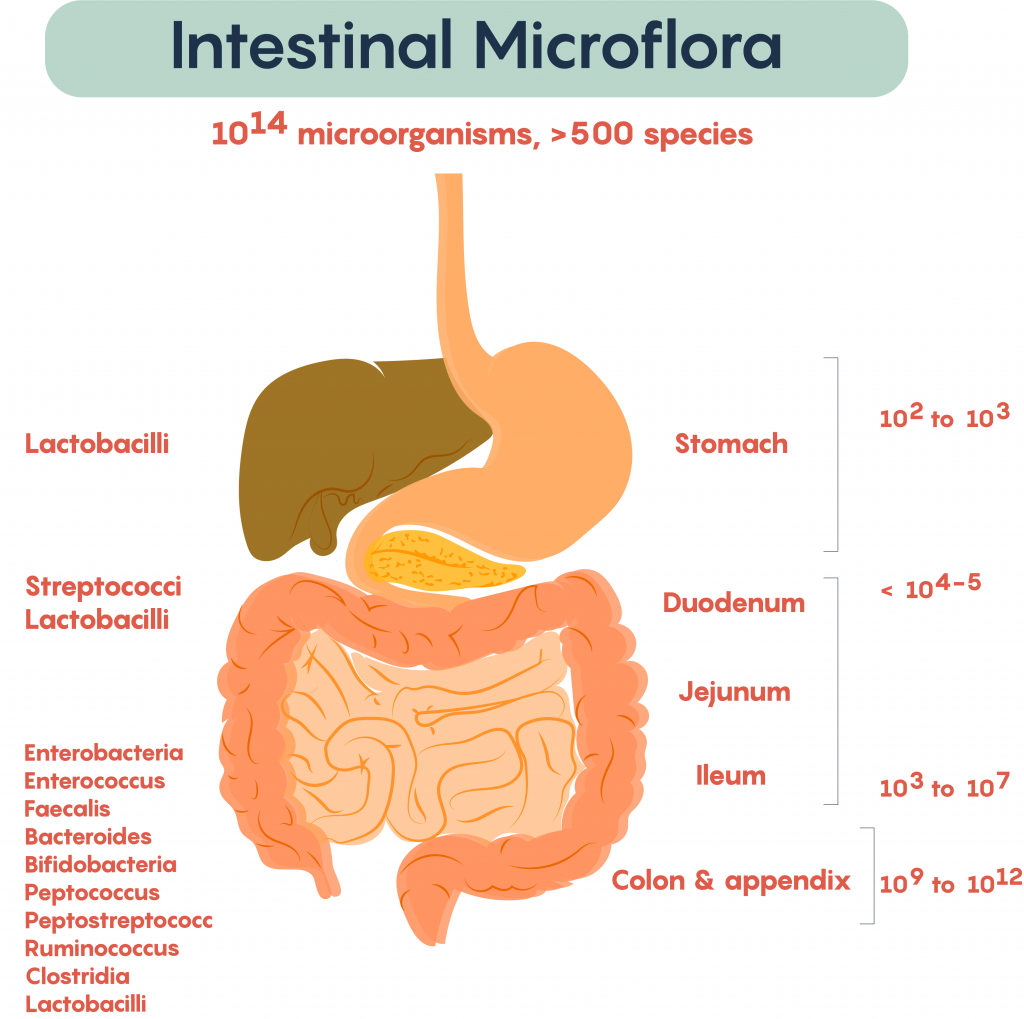
The mechanism involves the gut-brain axis, a bidirectional communication network between the gastrointestinal tract and the central nervous system. When inflammation occurs in the gut due to poor dietary choices, it can trigger a cascade of inflammatory signals that reach the brain. By prioritizing nutrient-dense, anti-inflammatory foods, individuals may stabilize their gut microbiome, potentially reducing the neuroinflammatory markers associated with cognitive impairment. While there is no single “cure” for dementia, lifestyle modifications including a balanced diet are key components of risk-reduction strategies for cognitive decline.
Evaluating Keto-Diets and Metabolic Health
Beyond general anti-inflammatory patterns, some researchers are investigating more specialized dietary interventions, such as the ketogenic diet, for their potential impact on mental and neurological health. The ketogenic diet, which is high in fat and very low in carbohydrates, forces the body to utilize ketones for energy rather than glucose. There is emerging interest in using metabolic therapies to address mitochondrial dysfunction in various psychiatric and neurological conditions.
However, it is essential to distinguish between clinical, medically supervised ketogenic protocols and the popularized versions often seen in consumer media. For patients with cognitive or psychiatric concerns, the application of a ketogenic diet requires careful monitoring by a healthcare team to avoid nutritional deficiencies and manage blood lipid levels. While heart-healthy diets like the Mediterranean or MIND diets have the strongest evidence base for dementia risk reduction, the long-term impact of more restrictive diets on the elderly remains a subject of ongoing clinical trials.
Connecting Lifestyle to Long-term Cognitive Resilience
Cognitive health is rarely the result of a single factor; it is the culmination of lifestyle, genetics, and social engagement. The interaction between diet and social interaction is particularly notable. Maintaining cognitive reserve requires a multifaceted approach. This includes not only nutritional intake but also physical activity, cognitive stimulation, and the management of cardiovascular risk factors like hypertension and diabetes.
When we look at the 29% risk reduction figure often cited in recent discourse, it is vital to understand that such statistics generally emerge from large-scale observational studies. These studies observe correlations over many years, comparing individuals who adhere to specific dietary patterns against those who do not. While these findings are compelling, they suggest an association rather than a direct, singular cause-and-effect relationship. They reinforce the concept that dietary habits are cumulative; what we consume consistently over decades shapes our biological resilience in later life.
Next Steps for Public Health and Individual Care
For those seeking to optimize their diet for brain health, the current consensus favors consistency over radical changes. Provide a foundation for healthy eating that supports systemic health, which in turn supports the brain. As we look toward future clinical updates, the medical community expects more data from ongoing, long-term randomized controlled trials that specifically measure the efficacy of anti-inflammatory diets on neurodegenerative markers.
If you are considering significant dietary changes to support your cognitive health, the best first step is to consult with your primary care physician or a registered dietitian. They can provide personalized guidance based on your medical history and specific health needs. Readers are encouraged to monitor updates from major health organizations and to share their experiences or questions in the comments section below, fostering a community-driven discussion on evidence-based wellness.
Related reading